For many of us, the morning ritual of brewing coffee is a sacred moment, a quiet pause before the day truly begins. And when it comes to crafting that perfect cup, the French press remains a beloved classic, cherished for its simplicity and the rich, full-bodied coffee it delivers. But in a world of endless coffee gear, one particular type stands out for its resilience and exceptional performance: the Stainless Steel French Press. If you’re looking for a brewing companion that can withstand the test of time and consistently brew an outstanding cup, you’ve come to the right place.
The Enduring Allure: A Brief History of the French Press
The French press, or cafetière, boasts a history as rich as the coffee it produces. While its exact origins are debated, early designs emerged in France in the mid-19th century, with the modern iteration patented by an Italian designer in 1929. Its genius lies in its elegant simplicity: immerse coffee grounds in hot water, allow them to steep, then press a plunger to separate the grounds from the liquid. This full immersion method ensures that all the coffee’s precious oils and dissolved solids make it into your cup, offering a bolder, more substantial mouthfeel than many other brewing methods. It’s a testament to timeless design that continues to captivate coffee enthusiasts worldwide.
Why Choose a Stainless Steel French Press? The Unbeatable Advantages
When comparing brewing methods, the material of your French press plays a pivotal role in your coffee experience. Here’s why a stainless steel French press often takes the crown.
Unmatched Durability: Built to Last
Let’s face it, accidents happen. A clumsy knock or an accidental drop can spell the end for a delicate glass carafe. This is where the stainless steel French press truly shines. Crafted from robust metal, these presses are virtually shatter-proof and incredibly resistant to dings and dents. They are designed to endure the daily grind (pun intended!) and can be a “buy-it-for-life” investment, saving you the hassle and cost of frequent replacements. It’s the perfect choice for busy households, outdoor adventures, or anyone prone to a touch of morning clumsiness.
Superior Heat Retention: Keeping Your Coffee Hotter, Longer
One of the biggest frustrations with traditional glass French presses is how quickly your coffee can cool down. But a high-quality stainless steel French press, particularly those with a double-walled, vacuum-insulated design, tackles this issue head-on. This ingenious construction creates an air gap that acts as an exceptional insulator, keeping your coffee piping hot for significantly longer periods – often for an hour or more. This superior heat retention ensures a more consistent brew temperature throughout the steeping process and allows you to savor your coffee at your own pace without it turning lukewarm.
Enhanced Filtration: A Smoother Sip
While the basic plunger and filter system is similar across French presses, the rigid construction of a stainless steel carafe often leads to a better seal. This tight fit prevents fine coffee grounds from sneaking past the filter and ending up in your cup, resulting in a cleaner, less gritty brew. Many premium stainless steel models also incorporate advanced double-filter systems, further minimizing sediment and delivering an even smoother coffee experience.
Portability & Travel-Friendliness: Your Coffee Companion
Thanks to its inherent durability, a stainless steel French press is an excellent companion for those on the go. Whether you’re heading to the office, embarking on a camping trip, or enjoying a picnic, you can toss it into your bag without worrying about breakage. Its robust nature makes it the ideal choice for adventurers and travelers who refuse to compromise on a great cup of coffee, no matter where they are.
Modern Aesthetics & Easy Maintenance
Beyond its practical benefits, a stainless steel French press often boasts a sleek, modern aesthetic that complements any kitchen decor. The polished or brushed finishes offer a contemporary touch. Furthermore, stainless steel is generally easy to clean and maintain, often being dishwasher safe. Its non-porous surface resists odors and residue, contributing to a fresh-tasting brew every time.
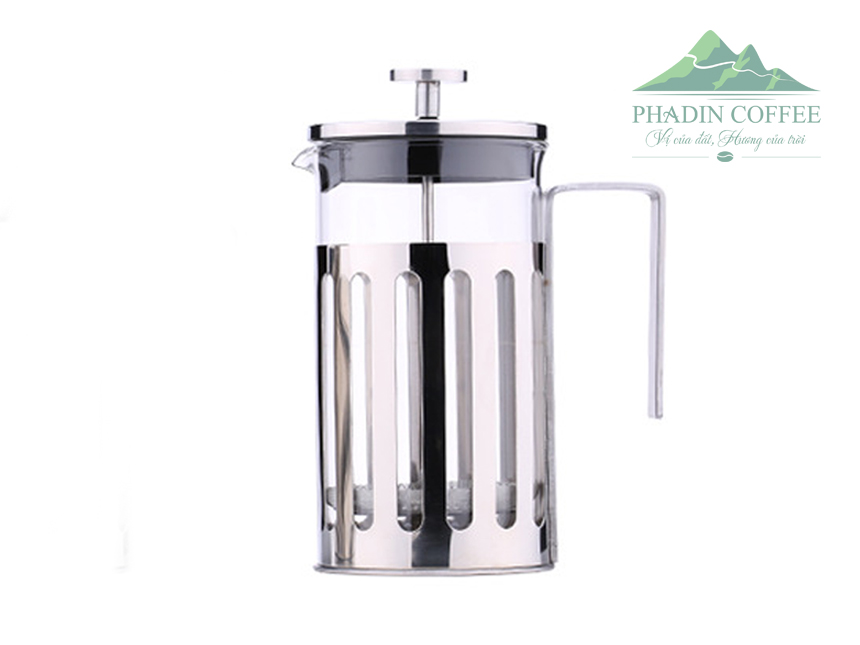
Key Components of Your Stainless Steel French Press
Understanding the parts of your French press can help you appreciate its design and ensure you’re getting the most out of it.
- The Carafe: This is the main body, typically double-walled stainless steel for insulation. Its sturdy build is the cornerstone of its durability.
- The Plunger Assembly: This complex piece includes the rod, the main mesh filter, a spiral plate, and a cross plate. Together, these components separate the grounds from your brewed coffee. The quality of the mesh filter and how snugly it fits the carafe walls are crucial for minimizing sediment.
- The Lid: Often designed with an integrated pour spout and a mechanism to seal the heat in, the lid also holds the plunger rod steady.
When choosing a stainless steel French press, pay attention to the overall build quality, how well the filter fits, and the comfort of the handle. These small details make a big difference in daily use.
Crafting the Perfect Cup: Step-by-Step with Your Stainless Steel French Press
Brewing with a French press is wonderfully straightforward, but a few key steps will elevate your coffee from good to absolutely fantastic.
1. Gather Your Essentials
What do you need for a great French press brew? Good quality coffee beans (freshly roasted, of course!), filtered water, a burr grinder, a scale for precision, and a timer.
2. Heat Your Water
Bring your filtered water to just off the boil, ideally between 195-205°F (90-96°C). Water that’s too hot can scorch your coffee, while water that’s too cool won’t extract enough flavor.
3. Preheat Your Press
Why should you preheat your stainless steel French press? Even with excellent insulation, preheating helps ensure your brewing water maintains its optimal temperature throughout the steeping process, leading to a more consistent and flavorful extraction. Simply pour some hot water into your empty press, swirl it around, and then discard.
4. Add Coarsely Ground Coffee
Measure your coffee. A good starting ratio is 1:15 (1 part coffee to 15 parts water), so for a standard 32 oz (about 1 liter) press, you might use around 60-70 grams of coffee. Grind your beans to a coarse, even consistency, resembling sea salt. Too fine, and you’ll get muddy coffee and difficulty plunging; too coarse, and your coffee will be weak.
5. Pour Water & Bloom
Add your hot water to the grounds. Start by pouring just enough water to saturate the grounds, about double the weight of your coffee. Let it sit for 30 seconds – this is called the “bloom,” where the coffee releases trapped gases, preparing it for optimal extraction.
6. Steep for Flavor
After the bloom, gently pour in the remaining hot water. Give it a gentle stir with a wooden or non-metal spoon to ensure all grounds are immersed. Place the lid on, with the plunger raised, and let it steep for 4-6 minutes. Adjust the time to your personal taste – longer for a stronger brew, shorter for lighter.
7. Plunge Gently
Once steeped, slowly and steadily press the plunger down. This should take about 20-30 seconds. Resist the urge to press too quickly, as this can force fine particles through the filter and create a sludgy cup.
8. Serve & Enjoy
Pour your freshly brewed coffee into your favorite mug immediately. If you’re not drinking it all at once, it’s best to decant the remaining coffee to prevent over-extraction, even in an insulated stainless steel French press. Now, sit back and savor the rich, full-bodied goodness!
Elevate Your Brew: Tips & Tricks for Stainless Steel French Press Mastery
Want to become a true French press connoisseur? Here are a few extra pointers:
- Grind Size Matters: Always use a burr grinder for consistent particle size. A coarse, uniform grind is the secret to a clean cup and an easy plunge.
- Water Temperature is Key: Aim for that sweet spot of 195-205°F (90-96°C). Using a kettle with temperature control can be a game-changer.
- Don’t Over-Press: Once the plunger reaches the bottom, stop. Forcing it further can disturb the sediment.
- Experiment with Ratios & Time: The beauty of the French press is its versatility. Play with your coffee-to-water ratio and steeping time until you find your perfect balance.
- Fresh Beans, Fresh Brew: Always use freshly roasted, high-quality coffee beans and grind them just before brewing for the most vibrant flavors.
Keeping It Pristine: Care and Cleaning for Your Stainless Steel French Press
Proper cleaning is essential not only for hygiene but also for ensuring every cup tastes as fresh as the last. Coffee oils can build up and turn rancid, imparting an unpleasant taste.
Daily Clean
After each use, immediately discard the used coffee grounds. Avoid washing them down the sink drain, as they can accumulate and cause clogs over time. A rubber spatula can help scrape them into your compost or trash. Then, rinse the carafe and plunger assembly thoroughly with warm water. A little mild dish soap and a soft brush or sponge will remove any lingering oils. Disassemble the plunger parts (mesh filter, spiral plate, cross plate) for a more effective rinse.
Deep Clean
For a deeper clean, especially if you notice stains or a slight metallic taste developing, baking soda and vinegar are your best friends.
- Baking Soda Method: Mix baking soda with a few drops of water to create a paste. Apply this paste to the inside of the carafe and to all plunger parts, scrubbing gently with a soft brush. Let it sit for 15-20 minutes before rinsing thoroughly.
- Vinegar Method: For mineral deposits or persistent odors, fill your disassembled press with a solution of equal parts white vinegar and water. Let it soak for at least 30 minutes, or even overnight for tough buildup. Then, wash all components with warm, soapy water and rinse completely.
Drying is Crucial
After cleaning, allow all parts of your stainless steel French press to air dry completely before reassembling and storing. Lingering moisture, particularly on the mesh filter or inside the carafe, can lead to mold buildup or even oxidation of stainless steel components, impacting both hygiene and taste.
As coffee aficionado Clara Johansson always says, “A clean press is the first step to a truly transparent and delightful coffee experience.”
Beyond Coffee: Versatile Uses for Your Stainless Steel French Press
Your stainless steel French press isn’t just a one-trick pony; its design makes it surprisingly versatile:
- Cold Brew Concentrate: Easily make smooth, low-acid cold brew by steeping coarse grounds in cold water for 12-24 hours.
- Loose Leaf Tea: Perfect for brewing loose leaf tea, allowing leaves to fully expand and infuse.
- Infused Beverages: Experiment with fruit-infused water, herbal infusions, or even frothing milk.
Stainless Steel vs. Glass: A Head-to-Head Comparison
Choosing between a stainless steel and glass French press often comes down to personal priorities. Here’s a quick overview:
| Feature | Stainless Steel French Press | Glass French Press |
|---|---|---|
| Durability | Extremely durable, shatter-proof, long-lasting. | Fragile, prone to breaking from drops or thermal shock. |
| Heat Retention | Excellent, especially double-walled; keeps coffee hot longer. | Poor; coffee cools quickly, often requires preheating. |
| Visibility | Opaque; cannot observe brewing process. | Transparent; allows visual enjoyment of brewing. |
| Portability | Highly portable and travel-friendly. | Less portable, risky for travel due to fragility. |
| Price | Generally higher initial cost. | More affordable initially, but replacement carafes add up. |
| Maintenance | Easy to clean, often dishwasher safe, resists odors. | Requires careful handling, especially with temperature changes. |
| Taste Impact | Generally neutral, very rarely a subtle metallic note (high quality ones avoid this) | Neutral; pure flavor. |
Frequently Asked Questions About Stainless Steel French Presses
Q: Can I put my stainless steel French press in the dishwasher?
A: Many stainless steel French presses are dishwasher safe, especially the carafe. However, it’s always best to check the manufacturer’s instructions. For the plunger assembly, hand washing can be more effective for thoroughly cleaning the mesh filter.
Q: Does a stainless steel French press affect coffee taste?
A: High-quality food-grade stainless steel is generally taste-neutral and will not impart a metallic flavor to your coffee. If you notice an off-taste, it’s usually due to inadequate cleaning or residue buildup, not the steel itself.
Q: How long does a stainless steel French press keep coffee hot?
A: A double-walled, vacuum-insulated stainless steel French press can keep coffee hot for an hour or even longer. Single-walled models will retain heat better than glass but not as long as their insulated counterparts.
Q: What grind size is best for a stainless steel French press?
A: A coarse, consistent grind is ideal for all French presses, including stainless steel. This prevents too much sediment in your cup and ensures an easy, smooth plunge.
Q: How do I remove stubborn coffee stains from my stainless steel French press?
A: For stubborn stains, a paste made of baking soda and a little water, or a soak in a solution of equal parts white vinegar and water, works wonders. Scrub gently with a non-abrasive brush and rinse thoroughly.
Conclusion
The stainless steel French press is more than just a coffee maker; it’s a testament to durability, thoughtful design, and consistently delicious coffee. Its robust construction, superior heat retention, and sleek aesthetics make it a standout choice for anyone seeking a reliable and long-lasting brewing companion. Whether you’re a seasoned coffee lover or just beginning your French press journey, embracing the stainless steel option promises a richer, hotter, and more enjoyable coffee experience for years to come. So go ahead, experiment with your brew, savor the moment, and discover the enduring pleasure of your durable stainless steel French press.