There’s something uniquely satisfying about a perfectly brewed cup of coffee, and for many aficionados, the Small French Press is the unsung hero of their morning ritual. In a world rushing towards instant gratification, a small French press offers a delightful pause, delivering a robust, full-bodied brew that mass-produced machines simply can’t replicate. It’s not just about the coffee; it’s about the experience, the aroma, and the intimate dance between water and beans, all designed for your personal enjoyment. Whether you’re brewing for one, savoring a moment of quiet reflection, or need a compact companion for your travels, a small French press brings big flavor and unmatched convenience to your counter or camping kit.
A Rich History in a Small Package: The French Press Journey
While often associated with its namesake country, the French press’s origins actually have a strong Italian connection. The concept of steeping coffee grounds directly in hot water and then separating them with a filter has roots in 19th-century France. However, it was an Italian designer, Attilio Callimani, who patented what we recognize as the modern French press in Milan in 1929, under the name “La Cafetière.” Over the decades, various improvements refined its design, but the core principle has remained: a simple, elegant method that unlocks the full spectrum of coffee’s flavors and oils, all now available in a perfectly scaled-down version for individual enjoyment.
Why Choose a Small French Press? Big Flavor, Compact Convenience
The appeal of the small French press goes far beyond its charming size. It’s a choice driven by a desire for quality, efficiency, and a truly personalized coffee experience.
The Art of the Fresh Brew
Unlike drip machines that filter out precious coffee oils, the French press immersion method allows all those rich flavors and aromatic oils to remain in your cup, creating a profoundly robust and textured brew. You get every nuance of your chosen beans, unhindered by paper filters. And because a small French press encourages you to brew only what you’ll drink immediately, you avoid the common pitfall of coffee sitting on a warming plate, slowly oxidizing into a bitter, stale disappointment. Your coffee is hot, fresh, and vibrant every time.
Perfect for One (or Two!)
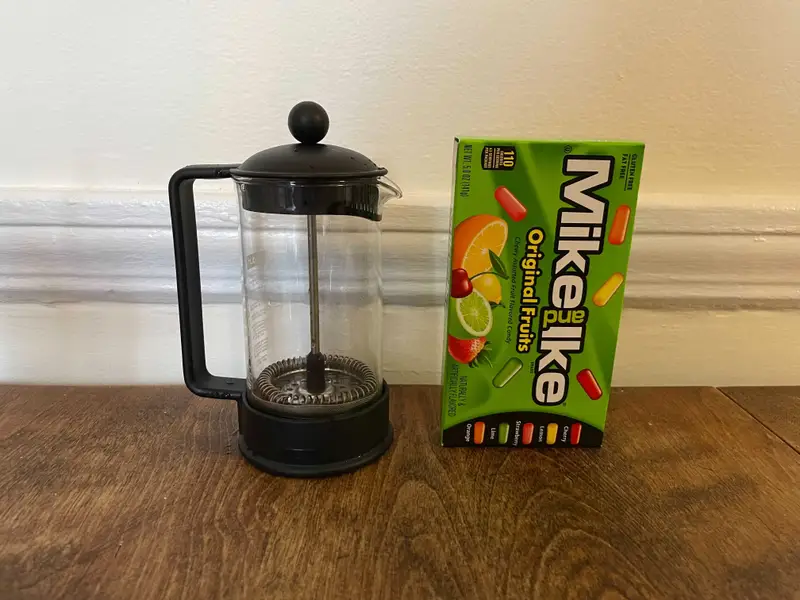
For solo coffee lovers, couples, or those who simply enjoy multiple fresh cups throughout the day, a small French press (typically 12 to 17 ounces, yielding 1 to 2 standard mugs) is an absolute game-changer. It minimizes waste, both in terms of leftover coffee and the grounds used. Plus, the quick brewing process means you can easily make a second, equally fresh cup whenever the mood strikes, turning coffee preparation into a delightful, regular ritual rather than a one-time morning chore.
Travel-Friendly & Space-Saving
Living in a small apartment, working in a compact office, or yearning for quality coffee on the go? The small French press is your answer. Its compact footprint tucks away neatly in tight spaces, and many models are designed for portability, often featuring durable stainless steel construction or integrated travel mug designs. It’s the ideal companion for camping trips, road adventures, or simply for decluttering your kitchen counter.
Understanding Your Small French Press: Components and Selection Guide
Choosing the right small French press involves understanding its key components and how different materials can impact your brewing experience.
Carafe: Glass, Stainless Steel, or Ceramic?
The material of your French press carafe plays a crucial role in its durability, heat retention, and even aesthetic appeal.
- Glass French Presses: These are the classics, often the most affordable, and allow you to visually appreciate the brewing process – a true “coffee theater.” Look for heat-resistant borosilicate glass for better durability, though they remain the most fragile option and offer the poorest heat retention.
- Stainless Steel French Presses: If durability and heat retention are your top priorities, stainless steel is the way to go. Many feature double-walled construction, keeping your coffee hot for significantly longer. They’re nearly indestructible, making them perfect for travel or clumsy hands. Quality stainless steel (18/8 or 18/10 grade) ensures no metallic taste.
- Ceramic/Stoneware French Presses: These offer a beautiful, artisanal look and excellent heat retention. While more durable than glass, they can still chip or break if dropped. They add a stylish touch to any kitchen.
Plunger and Filter System
The heart of the French press lies in its plunger, which features a mesh filter to separate grounds from the brewed coffee. A well-designed plunger should fit snugly against the carafe walls to minimize sediment. Some advanced models feature a double-filter system, which significantly reduces the amount of fine grounds that make it into your cup, resulting in a cleaner brew. A tight fit and robust mesh are crucial for a smooth plunge and a clear cup.
The Lid
Often overlooked, the lid can enhance your brewing experience. Some lids offer a secondary filter at the pour spout to catch any stray grounds that might have escaped the main plunger. For travel models, a spill-resistant lid is a must-have. Always ensure any plastic components are BPA-free for your health and peace of mind.
Capacity
For a “small” French press, capacities typically range from 12 ounces (perfect for a single mug) to 24 ounces (ideal for two servings or a generous single serving). Remember that “cups” mentioned in product descriptions often refer to smaller, European-sized coffee portions (around 4-6 ounces), so always check the ounce capacity to match your actual mug size.
Brewing Perfection: Your Step-by-Step Small French Press Guide
Brewing with a small French press is wonderfully straightforward, promising a delicious cup every time.
- Heat Your Water: Bring fresh, filtered water to just off the boil, ideally between 195°F and 205°F (90-96°C). Water that’s too hot can scorch the coffee, while water that’s too cool won’t extract enough flavor.
- Grind Your Beans: Use a coarse, even grind. This is perhaps the most critical step. “For French presses, use a coarse grind — about the size of sea salt,” advises coffee expert Clara Bennett. “This prevents over-extraction and keeps sediment out of your cup.”
- Preheat Your Carafe (Optional but Recommended): Pour a little hot water into your French press, swirl it around, and discard. This helps maintain the coffee’s temperature during brewing.
- Add Your Coffee Grounds: For a robust brew, aim for a ratio of about 1 gram of coffee for every 15 grams of water (1:15 ratio). For a 12-ounce press, this is roughly 2 tablespoons of coarse grounds.
- Bloom the Coffee: Pour just enough hot water over the grounds to saturate them completely. Let it sit for 20-30 seconds. This “blooming” process allows the coffee to de-gas, enhancing flavor extraction.
- Add Remaining Water & Stir: Pour the rest of your hot water into the carafe. Give it a gentle stir with a wooden or non-abrasive spoon to ensure all grounds are fully immersed.
- Steep: Place the lid on the French press, with the plunger raised. Let the coffee steep for 4 minutes. “Four minutes is my go-to steeping time for a balanced French press,” notes coffee specialist Dr. Elias Vance. “It’s the sweet spot for maximum flavor.”
- Plunge: After 4 minutes, slowly and steadily press the plunger down, pushing the grounds to the bottom. Avoid pressing too quickly, as this can force grounds through the filter and agitate the coffee, leading to bitterness.
- Serve Immediately: Pour your freshly brewed coffee into your favorite mug right away. Leaving coffee in contact with the grounds, even after plunging, can lead to over-extraction and a bitter taste.
Elevate Your Brew: Tips and Tricks for Your Small French Press
Even with a reliable guide, a few insider tips can truly transform your small French press experience:
- Grind Matters Most: Seriously, invest in a good burr grinder and always grind your beans fresh and coarsely right before brewing. This is the single biggest factor in reducing sediment and achieving optimal flavor.
- Temperature Control: While 195-205°F is a general guideline, don’t be afraid to experiment. For lighter roasts, a slightly hotter water temperature might bring out more complex notes. For darker roasts, a slightly cooler temperature can prevent bitterness.
- The Golden Ratio is a Guideline: The 1:15 or 1:18 coffee-to-water ratio is a starting point. Your personal preference, the type of bean, and the roast level might call for slight adjustments. Don’t be afraid to add a little more or less coffee to find your perfect balance.
- Mind Your Stir: A gentle stir after adding all the water ensures all grounds are saturated, but excessive stirring can agitate fine particles, leading to a muddier cup.
- Don’t Let It Linger: Once plunged, pour all the coffee out. If you can’t drink it all at once, transfer it to a preheated thermos to keep it warm without over-extracting.
Keeping It Sparkling: Care and Cleaning for Your Small French Press
Maintaining your small French press is essential for longevity and consistently delicious coffee.
- Prompt Cleaning: As soon as you’ve enjoyed your coffee, discard the grounds. The easiest way is often to scoop them out into a compost bin or tap the carafe upside down into the trash. Avoid pouring grounds down the sink, as they can cause clogs.
- Disassemble for Deep Clean: For thorough cleaning, disassemble the plunger by unscrewing the mesh filter from the rod.
- Hand Wash Recommended: While many glass and stainless steel models claim to be dishwasher-safe, hand washing with warm, soapy water is generally recommended. For glass carafes, be gentle to avoid bumping them against the sink.
- Banish Build-up: Over time, coffee oils can build up, leading to stale flavors. Occasionally, soak your French press components in a mixture of warm water and a little white vinegar or baking soda to cut through these oils.
Beyond Coffee: Creative Uses for Your Small French Press
Your small French press is a surprisingly versatile tool, capable of more than just brewing coffee.
- Perfect Cold Brew: Easily make small batches of cold brew by combining coarse-ground coffee and cold, filtered water, steeping it in the fridge for 12-24 hours, and then plunging.
- Loose-Leaf Tea Heaven: French presses are fantastic for steeping loose-leaf teas, allowing the leaves ample room to expand and infuse.
- Infused Oils or Waters: Experiment with infusing olive oil with herbs or creating flavored waters with fruits and vegetables.
- Frothing Milk: Believe it or not, you can warm milk and then rapidly pump the plunger up and down to create a simple, airy froth for lattes and cappuccinos.
Small French Press FAQs
What’s the ideal size for a single-serving small French press?
For a single, generous mug of coffee, a 12-ounce to 17-ounce small French press is usually ideal, though always check the fluid ounce capacity to match your preferred serving size.
Why do I get grounds in my French press coffee?
Grounds in your coffee are typically due to an uneven or too-fine grind, a wobbly plunger, or a worn-out mesh filter. Using a coarse, consistent grind and ensuring your plunger fits snugly can minimize this.
Can I use finely ground coffee in a French press?
While technically possible, it’s not recommended. Fine grounds will easily pass through the mesh filter, resulting in a very muddy, silty cup of coffee and potential over-extraction. Stick to coarse grounds.
How long does French press coffee stay hot?
Glass French presses tend to lose heat quickly, often becoming lukewarm in about 30 minutes. Double-walled stainless steel models offer superior insulation, keeping coffee hot for an hour or more.
Is a small French press good for travel?
Absolutely! Small French presses, especially those made of durable stainless steel or designed as travel mugs, are excellent for travel, camping, or office use due to their compact size and robust construction.
What’s the best material for a small French press?
The “best” material depends on your priorities. Glass offers aesthetic appeal and affordability, stainless steel provides durability and superior heat retention, and ceramic blends style with good thermal properties.
How often should I clean my French press?
You should rinse and ideally wash your French press after every use to prevent coffee oil build-up and maintain optimal flavor. A deeper clean, disassembling the plunger, is recommended weekly or bi-weekly.
Conclusion
The small French press embodies the purest form of coffee brewing – a method that champions flavor, simplicity, and personal preference. It’s an invitation to slow down, to engage with your coffee, and to craft a cup that truly speaks to your palate. From its rich history to its versatile capabilities, a small French press is more than just a coffee maker; it’s a testament to the idea that some of the best things in life come in compact packages. So go ahead, experiment with different beans, refine your technique, and discover the unparalleled joy that a perfectly brewed small French press can bring to your daily life. Your next extraordinary cup is just a plunge away.