For many coffee enthusiasts, the French press represents a timeless ritual, delivering a rich, full-bodied cup that’s hard to beat. While glass and stainless steel models often steal the spotlight, the humble Plastic French Press quietly offers a compelling blend of practicality, durability, and surprising performance that makes it a true unsung hero in the world of brewing. If you’ve ever yearned for a robust brew without the fragility of glass or the heft of metal, a plastic French press might just be your perfect coffee companion.
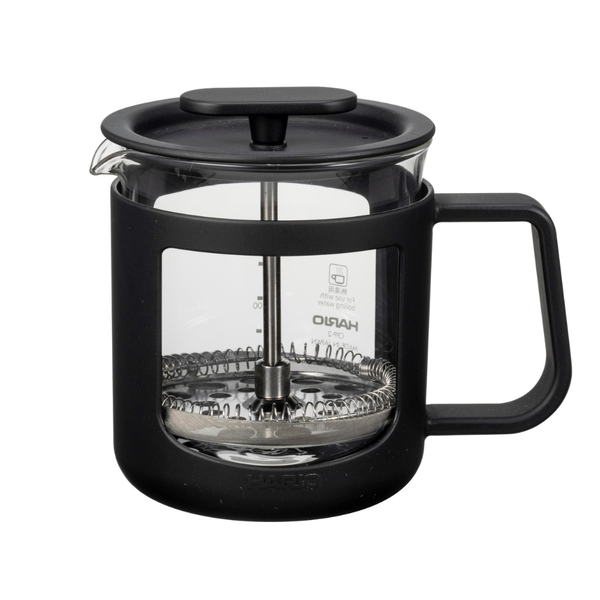
A Brief History of the French Press and Its Evolution
The French press, or “cafetière,” has a storied past, with its origins debated between the French and Italians in the mid-19th to early 20th centuries. Its fundamental design – a carafe with a plunger and built-in filter screen – revolutionized coffee brewing by offering a simple immersion method that extracts the coffee’s oils and fine particles, resulting in a distinctively rich and textured drink. Over the decades, as materials science advanced, manufacturers began experimenting with different components. While glass remained the traditional carafe material, the introduction of plastic elements and even entirely plastic models marked a significant evolution, largely driven by the desire for increased durability and portability for the modern coffee drinker.
Why Choose a Plastic French Press? Unpacking the Unique Benefits
Often overlooked, the plastic French press brings a suite of advantages that cater to specific needs and preferences. It’s not just a budget-friendly option; it’s a smart choice for many.
Durability and Portability for On-the-Go Brewing
Let’s face it: accidents happen. A glass French press, while elegant, is notoriously fragile. One slip, and your morning brew (and your beautiful carafe) is shattered. This is where the plastic French press shines brightest. Its inherent durability makes it virtually unbreakable, a game-changer for anyone with a busy lifestyle, a love for the outdoors, or simply a tendency to be a bit clumsy. Imagine taking your French press camping, hiking, or simply to the office without a second thought. Its lightweight nature also contributes to its portability, making it an ideal travel companion for delicious coffee wherever your adventures take you.
Affordability: A Budget-Friendly Coffee Companion
Investing in a high-quality coffee setup can sometimes feel like a significant commitment. Plastic French presses typically offer a more accessible entry point into the world of rich, immersion-brewed coffee. This affordability means you can enjoy the exceptional flavor profile of a French press without breaking the bank, leaving more room in your budget for those exquisite coffee beans you’ve been eyeing.
Surprising Heat Retention: Keeping Your Coffee Hotter, Longer
Here’s a little-known secret: plastic can actually be a more efficient insulator than glass. When you pour boiling water into a glass carafe, the glass quickly absorbs a substantial amount of that heat, which can slightly reduce the water temperature available for extraction. A plastic French press, however, doesn’t draw as much heat from the water, allowing the brewing temperature to remain more stable. This means your coffee extracts more effectively, and perhaps even more surprisingly, stays hotter for a longer period in the carafe.
Understanding Your Plastic French Press: Key Components and What to Look For
Choosing the right plastic French press involves understanding its parts and what makes a good one.
Carafe Material: BPA-Free Plastics (SAN, Polypropylene)
The most crucial aspect of a plastic French press is the material of its carafe. Reputable brands now predominantly use high-quality, shatterproof plastics like SAN (Styrene-Acrylonitrile) or polypropylene, which are explicitly labeled as BPA-free. BPA (Bisphenol A) is a chemical that has raised health concerns, so ensuring your plastic French press is BPA-free is paramount. These advanced plastics are designed to resist scratches, heat deformation, and temperature changes, offering peace of mind while brewing.
Plunger and Filter System: The Heart of the Brew
The plunger and filter are vital for a good French press brew. Most plastic French presses feature a stainless steel mesh filter, often with a silicone edge. This silicone edge is key; it creates a tighter seal against the carafe wall, minimizing the amount of sediment that bypasses the filter and ends up in your cup. A robust plunger mechanism that moves smoothly and consistently is also essential for a satisfying brewing experience.
Size and Capacity: Matching Your Coffee Needs
Plastic French presses come in various sizes, from single-serving models perfect for a quick personal cup to larger versions ideal for families or entertaining. Consider how much coffee you typically brew at once. A 34-ounce (1-liter) model is common for serving 2-4 people, while smaller options are great for individual use or travel.
Brewing Perfection: Your Step-by-Step Guide to a Flawless Plastic French Press Coffee
Brewing with a plastic French press is an art, but it’s an accessible one. Follow these steps for an exquisite cup:
- Step 1: Grind Your Beans (Coarse is Key!)
For a French press, you’ll want a coarse, even grind, resembling sea salt. Too fine, and you’ll end up with over-extraction, bitterness, and excessive sediment. - Step 2: Heat Your Water (Optimal Temperature)
Bring fresh water to just off the boil, ideally between 195-205°F (90-96°C). Water that’s too hot can burn the coffee grounds, while water that’s too cool won’t extract the flavors properly. - Step 3: Add Coffee and Water (The Bloom)
Add your coarsely ground coffee to the bottom of the plastic French press. For a balanced ratio, a good starting point is 1:15 (e.g., 1 gram of coffee for every 15 ml of water). Pour about half the hot water over the grounds, ensuring they are all saturated. Give it a gentle stir and let it “bloom” for about 30 seconds. This allows the coffee to release gases, enhancing flavor. - Step 4: Steep and Plunge (The Patience Game)
Pour the remaining hot water into the carafe. Place the lid with the plunger assembly on top, but don’t press it down yet. Let the coffee steep for 4 minutes. Once steeped, slowly and steadily press the plunger down, ensuring an even descent. Avoid pressing too fast, as this can force fine particles through the filter and muddy your coffee. - Step 5: Serve and Enjoy!
Serve your coffee immediately to prevent over-extraction. If you’re not drinking it all at once, pour it into a separate insulated carafe to keep it warm and maintain its flavor profile.
Tips and Tricks to Elevate Your Plastic French Press Experience
A few small adjustments can make a big difference in your brew.
- Grind Size Matters: Finding Your Sweet Spot
Experiment with slightly coarser or finer grinds within the “coarse” spectrum. A slightly finer grind might yield a stronger cup, but also more sediment. Find the balance that suits your taste. - Water Temperature: Precision for Flavor
If you have a kettle with temperature control, use it! Different roast levels can benefit from slightly different water temperatures. Lighter roasts might prefer hotter water (closer to 205°F), while darker roasts might do better with slightly cooler water (around 195°F). - Steep Time: Adjusting to Your Taste
The 4-minute steep time is a classic starting point, but don’t be afraid to adjust. For a stronger, bolder cup, steep for 5 minutes. For a lighter, brighter brew, try 3 minutes. Your palate is the ultimate judge! - Pre-heating the Carafe: A Simple Upgrade
Before adding your coffee grounds, rinse your plastic French press carafe with some hot water. This pre-heats the carafe, helping to maintain a consistent brewing temperature and prevent a rapid drop in water temperature when you add your grounds. - Stirring Techniques: Even Extraction
After your initial water pour and bloom, some baristas suggest a gentle stir to ensure all grounds are fully immersed and extracting evenly. Be careful not to agitate too vigorously, especially with a metal spoon in some models, to avoid scratching the plastic.
Caring for Your Plastic French Press: Cleaning and Maintenance
Proper care ensures longevity and prevents off-flavors.
- Daily Cleaning: Preventing Stains and Odors
After each use, discard the grounds and rinse all components thoroughly with warm water. Disassemble the plunger and filter to wash away any trapped coffee oils and residue. For a plastic French press, this is especially important to prevent plastic from absorbing coffee odors over time. - Deep Cleaning: Tackling Residue and Oils
Once a week or so, give your French press a deeper clean. Use a mild dish soap and a soft brush or sponge to scrub the carafe and filter components. A solution of baking soda and warm water can also be effective at removing stubborn stains and odors from plastic. - Storage Tips: Keeping It Ready for Your Next Brew
Ensure all parts are completely dry before reassembling and storing to prevent mold or musty smells. Store your plastic French press in a clean, dry place.
Beyond Coffee: Creative Uses and Variations with Your Plastic French Press
Your plastic French press isn’t just for hot coffee. Its versatility might surprise you!
- Cold Brew Coffee: A Refreshing Alternative
The French press is an ideal vessel for making cold brew. Combine coarse coffee grounds with cold water, stir, and let it steep in the refrigerator for 12-24 hours. Plunge, and you have a smooth, low-acid cold brew concentrate perfect for iced coffee. - Steeping Loose Leaf Tea: Expanding Its Versatility
Just as it steeps coffee, your French press can perfectly brew loose leaf tea. Add your tea leaves, hot water (at the appropriate temperature for your tea type), steep for the recommended time, and plunge. - Frothing Milk: A Quick Foam Fix
Warm some milk in the microwave or on the stovetop. Pour it into your clean French press. Rapidly pump the plunger up and down just below the surface of the milk until it’s foamy. This creates excellent frothed milk for lattes and cappuccinos!
Addressing Common Concerns: Is Plastic Safe for Coffee Brewing?
It’s natural to have questions about brewing with plastic, especially given its exposure to hot water.
BPA-Free Doesn’t Mean Worry-Free: Understanding Other Chemicals
While many plastic French press models proudly declare themselves “BPA-free,” it’s worth noting that concerns sometimes extend to other similar chemicals, such as BPS (Bisphenol S) and BPF (Bisphenol F), which can be used as substitutes. These chemicals, like BPA, may have potential endocrine-disrupting properties, especially when exposed to high heat. Reputable manufacturers, however, use food-grade plastics like SAN or polypropylene which are designed to be stable and safe under brewing conditions. For ultimate peace of mind regarding chemical leaching, some coffee aficionados opt for stainless steel models.
Impact on Taste: Separating Fact from Fiction
The concern about plastic affecting coffee taste is a common one. It’s true that some lower-quality plastics can, over time, retain odors and impart a subtle “plastic” flavor, especially if not cleaned meticulously. However, modern, high-quality BPA-free SAN plastics are engineered to be taste-neutral. With proper cleaning and maintenance, most users report no discernible difference in flavor when using a good quality plastic French press.
When to Consider Alternatives (Stainless Steel, Glass)
While a plastic French press offers excellent benefits, it’s not for everyone. If environmental impact is your absolute top priority and you prefer to avoid plastic entirely, or if you simply prioritize the pristine aesthetic of glass or the robust heat retention and inertness of high-grade stainless steel, then those materials might be a better fit for your coffee journey.
Frequently Asked Questions (FAQ)
Q: Can I put boiling water in a plastic French press?
A: Yes, most modern plastic French presses are made from heat-resistant, food-grade plastics like SAN that are designed to withstand temperatures required for brewing, typically just off the boil (195-205°F or 90-96°C).
Q: How long does coffee stay hot in a plastic French press?
A: A plastic French press generally retains heat better than a traditional glass carafe because plastic doesn’t absorb as much heat from the water. However, it won’t keep coffee hot for as long as a double-walled, vacuum-insulated stainless steel French press. It’s best to enjoy your coffee shortly after brewing or transfer it to an insulated carafe.
Q: Does a plastic French press affect the taste of coffee?
A: High-quality, BPA-free plastic French presses are designed to be taste-neutral. However, if not cleaned thoroughly and regularly, plastic can absorb coffee oils and odors over time, potentially leading to a subtle off-flavor. Proper cleaning is key to maintaining pure coffee taste.
Q: Are plastic French presses durable enough for travel?
A: Absolutely! Durability and portability are among the primary advantages of a plastic French press. They are far less prone to breaking than glass models, making them an excellent choice for travel, camping, or any situation where fragility is a concern.
Q: How often should I clean my plastic French press?
A: You should rinse your French press immediately after every use, disassembling the plunger and filter for a quick wash. A more thorough deep clean with soap and water should be done at least once a week to prevent the buildup of coffee oils and potential odors.
Conclusion
The plastic French press is far more than just a convenient alternative; it’s a legitimate, high-performing brewer that deserves a place in any coffee lover’s collection. Offering unmatched durability and portability, surprising heat retention, and a budget-friendly price point, it provides a compelling solution for a wide array of coffee drinking scenarios. While concerns about material safety and potential taste impact are valid, choosing a reputable, BPA-free model and committing to diligent cleaning can alleviate these worries. Embrace the robust, full-bodied flavors a plastic French press can deliver, and you might just discover your new favorite way to brew, whether at home, on the road, or deep in the wilderness. Don’t be afraid to experiment, refine your technique, and savor every sip.