For centuries, coffee lovers have cherished the ritual of brewing, and among the myriad methods, the French press stands as a venerable icon. Its simple elegance and ability to yield a rich, full-bodied cup have secured its place in kitchens worldwide. But just like any classic, the French press has seen its share of evolution. The “Modern French Press” isn’t merely a new aesthetic; it represents a fascinating blend of traditional immersion brewing with contemporary engineering and design. It’s about enhancing the beloved French press experience, addressing common frustrations, and elevating your daily coffee ritual to new heights.
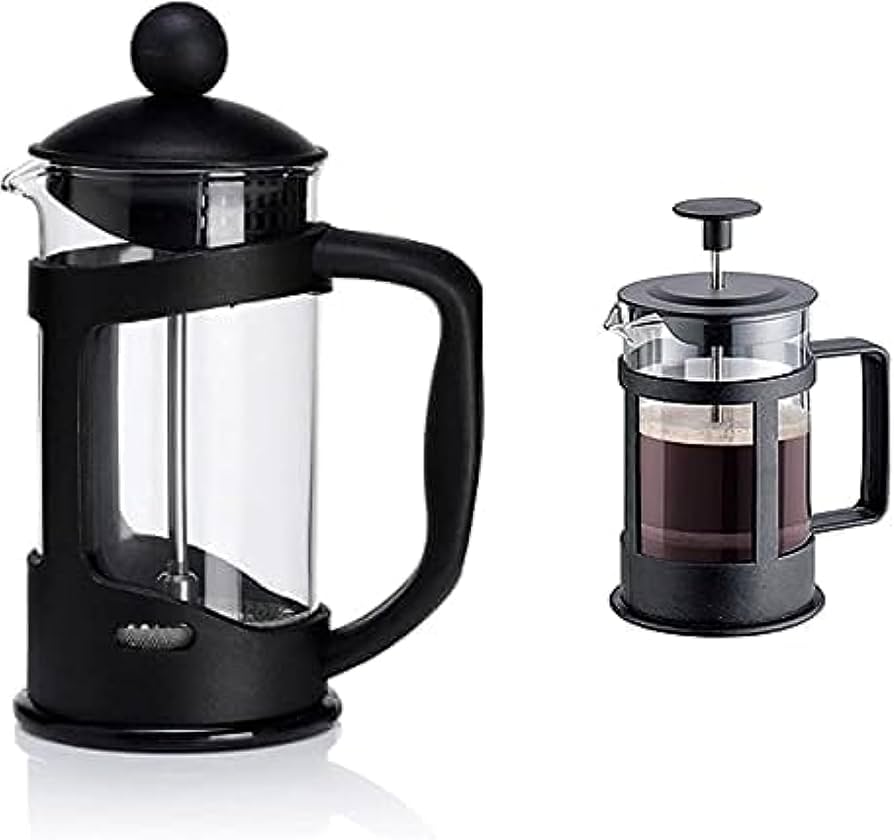
The French Press: A Timeless Brewing Method, Reimagined
The French press, or “cafetière” as it’s often known in Europe, has a history as rich as the coffee it produces. While widely associated with France, the earliest known patent for a plunger-style coffee maker was actually filed by an Italian, Attilio Calimani, in 1929. Its core principle—total immersion of coffee grounds in hot water, followed by a simple press to separate them—remains beautifully straightforward and effective. This method ensures maximum extraction of coffee oils and flavorful compounds, resulting in a brew that many describe as exceptionally robust and complex.
So, what transforms this classic into a “modern French press”? It’s a thoughtful evolution in materials, filtration technology, and overall user experience. Modern designs often feature improved insulation, more effective filtering systems to reduce grit, and enhanced durability, all while maintaining the fundamental charm and simplicity of the original. It’s about refining, not reinventing, a beloved brewing method for today’s coffee enthusiast.
Why Embrace the Modern French Press? Benefits That Go Beyond the Basics
Choosing a modern French press offers a suite of advantages that can significantly upgrade your brewing game.
Rich, Full-Bodied Flavor
At its heart, the French press excels at producing coffee with an unparalleled richness. Unlike drip machines that use paper filters to strip away coffee oils, the French press allows these flavorful compounds to remain in your cup. This leads to a more aromatic, texturally pleasing, and intensely flavored brew. Modern presses ensure this core benefit remains, often enhancing it through precise construction.
Enhanced Clarity & Reduced Sediment
One common critique of traditional French presses is the presence of fine coffee “silt” at the bottom of the cup. Modern French presses tackle this head-on with innovative filtration systems. Many now incorporate double micro-mesh filters or fine laser-cut screens combined with silicone seals around the plunger. Brands like Espro, for instance, are known for their dual-filter systems, designed to deliver an exceptionally clean and grit-free cup, sometimes up to 9 to 12 times finer than conventional filters. This innovation means you can enjoy that characteristic full-bodied flavor without the accompanying muddy texture.
Superior Heat Retention
Nobody likes lukewarm coffee. While traditional glass French presses are beautiful, they can lose heat quickly. Modern French presses often feature double-walled, vacuum-insulated stainless steel carafes. These designs can keep your coffee hot for significantly longer—some models, like those from Yeti or Stanley, promise to keep coffee warm for up to five hours, while Espro presses can retain heat for about two hours. This is particularly beneficial if you enjoy a leisurely morning or brew for a larger group.
Durability & Materials
The fragility of glass carafes is another common concern. Modern French presses offer more robust alternatives. Borosilicate glass is a popular choice for its resistance to thermal shock, making it less prone to breaking. However, for ultimate durability, many contemporary presses opt for stainless steel construction, which is virtually indestructible and perfect for outdoor adventures or clumsy mornings.
Ease of Use & Portability
The French press remains one of the simplest brewing methods, requiring no electricity (unless you count boiling water!). This makes it inherently portable and ideal for camping trips, office desks, or simply enjoying a great cup without complicated machinery. Modern designs retain this simplicity while often adding thoughtful touches like ergonomic handles or compact forms.
Eco-Friendliness & Versatility
With no disposable paper filters or plastic pods required, the French press is an environmentally conscious choice. A well-made modern French press is a long-lasting investment. Beyond coffee, its immersion method makes it remarkably versatile; it’s excellent for brewing loose-leaf tea, crafting refreshing cold brew, or even frothing milk.
Key Components of a Modern French Press and How to Choose Your Perfect Match
Selecting the right modern French press involves understanding its key components and how they contribute to your brewing experience.
Carafe Material
The carafe is the vessel where your coffee brews, and its material profoundly impacts durability and heat retention.
- Borosilicate Glass: This is the classic choice, offering transparency to watch the brewing magic unfold. Borosilicate glass resists high temperatures and doesn’t retain flavors or odors, ensuring a clean taste. However, it’s the most fragile option.
- Stainless Steel: For those prioritizing durability and heat retention, a stainless steel French press is ideal. Many are double-walled and insulated, keeping your coffee hot for hours. They’re practically indestructible, though you can’t see the brewing process.
- Ceramic: Aesthetically pleasing and offering good heat retention, ceramic presses are weighty and stylish, though still prone to breaking if dropped.
Filter System
This is where modern French presses truly shine in innovation.
- Single Mesh: The traditional filter allows more fine particles and oils through, contributing to the characteristic “French press mouthfeel.”
- Double Micro-Mesh: Advanced systems, like those found in Espro presses, use multiple layers of extremely fine mesh to dramatically reduce sediment, yielding a cleaner cup akin to pour-over without sacrificing body.
- Silicone Seals: Some modern plungers, such as those on the Timemore U or newer Bodum Chambord models, incorporate silicone rings around the filter. These create a tighter seal against the carafe walls, further minimizing grounds escaping into your brewed coffee.
Lid & Plunger
Look for a plunger that fits snugly to effectively separate grounds. Modern designs often include safety lids to prevent spills and are easy to disassemble for thorough cleaning.
Design & Aesthetics
From the minimalist lines of a Fellow Clara to the rugged appeal of a Stanley, modern French presses offer diverse aesthetics to match any kitchen or lifestyle. Consider if you prefer a sleek, contemporary look or a more classic design with updated features.
Volume
French presses come in various sizes, typically ranging from 12 oz (single serving) to 51 oz (multiple servings). Consider how much coffee you typically brew to choose an appropriate capacity. Remember, you don’t always have to fill it to the brim.
Crafting the Perfect Cup: A Step-by-Step Guide to Modern French Press Brewing
Mastering the French press is simple, and with a modern press, your results will be even more satisfying. Here’s how to brew an exquisite cup:
- Grind Coarsely: This is paramount. Use a burr grinder set to a coarse, even grind—think sea salt or breadcrumbs. Too fine, and you’ll get bitter coffee and excessive sediment.
- Preheat Your Press: Pour hot water into your French press and let it sit for a minute, then discard. This helps maintain the brewing temperature, especially crucial for glass carafes.
- Add Coffee Grounds: A good starting ratio is 1:15 (coffee to water) or roughly 2 tablespoons of coarse grounds for every 6-8 ounces of water. Adjust to your taste.
- Pour Hot Water: Heat fresh, filtered water to between 195-200°F (90-93°C). If you don’t have a thermometer, bring water to a boil and let it rest for 30-60 seconds before pouring.
- Saturate & Stir Gently: Pour half the hot water over the grounds, ensuring they are fully saturated (this is called the “bloom”). After about 30 seconds, pour the remaining water and gently stir to ensure even extraction.
- Steep: Place the lid on top, but don’t plunge yet. Let the coffee steep for 4 minutes. This immersion time is key for flavor development.
- Plunge Slowly and Steadily: After 4 minutes, slowly and steadily press the plunger down, separating the grounds from the brewed coffee. Aim for a smooth, consistent push—about 20-30 seconds.
- Serve Immediately: Pour your coffee into a preheated mug. If you brewed more than you’ll drink immediately, decant the remaining coffee into an insulated carafe to prevent over-extraction and bitterness.
Elevating Your French Press Experience: Tips and Tricks from the Pros
Even with a top-notch modern French press, a few expert tips can take your coffee from great to extraordinary.
- Consistency is Key with Grind Size: Investing in a quality burr grinder allows for a consistent coarse grind, which is crucial for minimizing sediment and achieving balanced flavors. Uneven grinds lead to uneven extraction.
- Water Quality Matters: Since coffee is 98% water, using filtered or spring water free from impurities will significantly impact the taste of your brew.
- Experiment with Your Recipe: The French press is forgiving and encourages experimentation. Don’t be afraid to adjust your coffee-to-water ratio, steep time, or water temperature slightly to find your perfect cup.
- Beyond the Morning Brew: Your modern French press is a versatile tool. It excels at making concentrated cold brew—simply add coarse grounds and cold water, steep in the fridge for 12-24 hours, then plunge. It’s also fantastic for brewing loose-leaf teas, allowing tea leaves ample room to unfurl and release their full flavor.
“Many believe the magic is in the machine, but I always tell my students it’s in the hands,” advises Amelia Vance, a veteran coffee educator and founder of ‘Brew & Bloom Workshops.’ “A modern French press gives you precision, but your attention to grind, temperature, and time is what truly transforms beans into liquid gold.”
Keeping It Pristine: Care and Cleaning for Your Modern French Press
Proper care ensures your modern French press continues to deliver exceptional coffee for years to come.
Most modern French presses are designed for easy cleaning. Many glass carafes and stainless steel models are dishwasher safe, though it’s always wise to check manufacturer instructions. For a thorough clean, disassemble the plunger and filter components. Fine grounds can get trapped in the mesh, so a small brush is often helpful to dislodge them. For stainless steel carafes, occasional rinsing with baking soda and water can remove any lingering coffee oils and odors. Regularly cleaning your French press prevents old coffee oils from imparting a stale or bitter taste to fresh brews.
French Press FAQs: Your Questions Answered
Q: Is a modern French press really better than a classic one?
A: While a classic French press still makes great coffee, modern versions often provide significant improvements, primarily in reduced sediment due to advanced filtration systems and superior heat retention from insulated, double-walled designs.
Q: How do I avoid sediment in my French press coffee?
A: To minimize sediment, use a coarse, consistent grind (like sea salt), pour water gently, and plunge very slowly and steadily. Considering a modern French press with a double-mesh filter or silicone seal can also dramatically reduce grit.
Q: Can I make cold brew in a French press?
A: Absolutely! The French press is an excellent tool for cold brew. Simply combine coarse grounds with cold water, stir, and steep in the refrigerator for 12-24 hours before plunging.
Q: How long does coffee stay hot in a modern French press?
A: This depends on the specific model. Insulated, double-walled stainless steel modern French presses can keep coffee hot for several hours. Some can maintain heat for up to five hours, while others typically keep it warm for one to two hours. Glass presses, even borosilicate, will lose heat faster.
Q: What’s the ideal grind size for a French press?
A: The ideal grind size for a French press is coarse, resembling breadcrumbs or sea salt. This prevents over-extraction (which leads to bitterness) and reduces the amount of fine sediment that passes through the filter.
The Modern French Press: A Blend of Tradition and Innovation
The French press has a storied past, and its enduring appeal lies in its straightforward approach to rich, flavorful coffee. The modern French press continues this legacy, thoughtfully incorporating innovations that address common challenges while preserving the core essence of immersion brewing. From advanced filtration systems that deliver a cleaner cup to double-walled insulation that keeps your brew hot for longer, these contemporary designs offer an enhanced experience without sacrificing the beloved simplicity.
Whether you’re a seasoned coffee connoisseur or just beginning your brewing journey, exploring the world of the modern French press invites you to savor a truly exceptional cup. It’s an invitation to experiment, to refine your technique, and to discover the nuanced flavors that only a perfectly executed French press can provide. So, embrace the evolution, and elevate your daily coffee ritual with a modern French press—where tradition meets ingenious design for the ultimate brew.