Ah, the humble French press. For generations, it’s been the go-to for coffee lovers seeking a rich, full-bodied brew that truly celebrates the bean. It’s a brewing method that respects the coffee, allowing its complex oils and flavors to shine through unfiltered. But what if you could take that beloved experience and make it even better? Enter the Insulated French Press, a modern marvel that elevates your coffee ritual by ensuring every sip is as warm and wonderful as the first. This isn’t just about brewing coffee; it’s about preserving the perfect moment, ensuring your perfectly crafted beverage stays piping hot, longer.
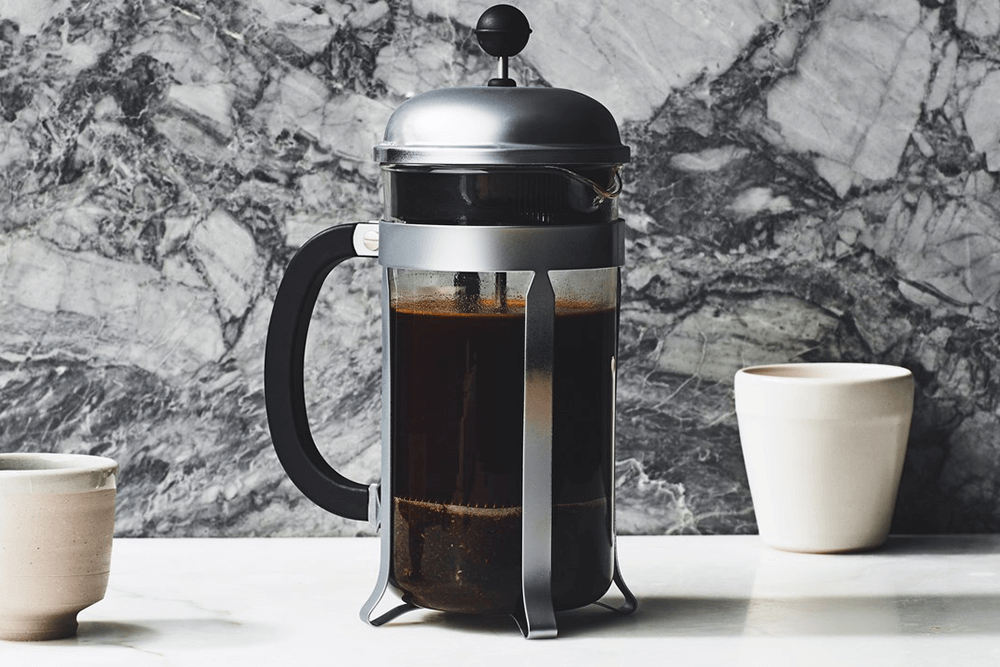
The French Press: A Brief History and Modern Evolution
The French press, known by many names across the globe—from cafetière in the UK to caffettiera a stantuffo in Italy—boasts a fascinating history dating back to the mid-19th century. Its simple yet effective design, which involves steeping coarse-ground coffee in hot water and then pressing the grounds to the bottom with a plunger, quickly gained popularity for its ability to produce a robust and flavorful cup. For decades, the classic glass carafe was the standard, offering a beautiful view of the brewing dance. However, while aesthetically pleasing, glass had its limitations, particularly when it came to heat retention. The modern evolution brings us to the insulated French press, often crafted from durable stainless steel, solving the age-old problem of rapidly cooling coffee and cementing its place as a superior choice for today’s coffee enthusiast.
Why an Insulated French Press is a Must-Have for Coffee Lovers
If you appreciate a consistently excellent cup of coffee, an insulated French press is more than just an upgrade; it’s a revelation. It tackles the common frustrations of traditional presses head-on, delivering benefits that enhance every aspect of your coffee experience.
Unbeatable Heat Retention: The Core Advantage
The standout feature of an insulated French press is its incredible ability to keep your coffee hot. Thanks to its double-walled construction, often featuring a vacuum seal, these presses maintain optimal brewing temperatures for significantly longer than their glass counterparts—sometimes up to two hours or more. This extended heat retention is crucial because a stable temperature (ideally between 195-205°F) throughout the steeping process ensures a more consistent and complete extraction of flavors from your coffee grounds. The result? A richer, fuller-bodied coffee that doesn’t turn lukewarm before you’ve finished your first cup, allowing you to savor every last drop at your leisure. As renowned coffee artisan, Isabella Rossi, often says, “Maintaining that golden 195-205°F throughout the brew cycle isn’t just about keeping your coffee hot; it’s the secret to unlocking the deepest, most consistent flavors from your beans, cup after delicious cup.”
Built to Last: Enhanced Durability for Every Adventure
Traditional glass French presses, while elegant, are inherently fragile. A simple bump or drop can lead to a shattered carafe and a ruined morning. An insulated French press, typically constructed from robust stainless steel, offers unparalleled durability. These presses are built to withstand the rigors of daily use, whether in a bustling kitchen or out on a camping trip. Their shatter-proof design makes them a reliable companion for travel, outdoor adventures, or simply for peace of mind at home, ensuring your coffee ritual is never interrupted by an accident.
Consistent Flavor, Uncompromised Quality
The consistent thermal environment provided by an insulated French press isn’t just about warmth; it’s about quality. By minimizing temperature fluctuations during the brewing process, it allows for a more even and thorough extraction of coffee solids and aromatic compounds. This stability translates directly to a more reliable flavor profile, cup after cup. You’ll notice less variability in taste, allowing you to fine-tune your brewing technique with greater confidence, knowing that temperature isn’t an unpredictable variable. This consistency is especially rewarding for those who are serious about mastering their French press brewing techniques.
Decoding Your Insulated French Press: What to Look For
Choosing the right insulated French press involves considering a few key features that impact performance and longevity.
Material Matters: Stainless Steel Reigns Supreme
When it comes to insulation, stainless steel is the champion. Most high-quality insulated French presses feature double-walled, food-grade stainless steel construction. This design creates a vacuum layer between the two walls, acting as a thermal barrier that locks in heat. While you might find double-walled glass options, they typically don’t offer the same level of heat retention or durability as stainless steel. Look for premium stainless steel that is resistant to rust and stains, ensuring a long-lasting and pristine brewing companion.
Capacity and Portability: Sizing Up Your Brew
Insulated French presses come in various sizes, from single-serving (12-16 oz) to larger family-sized options (34-50 oz). Consider your typical brewing needs:
- Individual Use: A smaller capacity is perfect for a quick morning brew or for travel.
- Entertaining/Multiple Servings: Larger presses are ideal for sharing with guests or for those who enjoy several cups throughout the morning.
If you plan to take your insulated French press on the go, also consider its overall weight and shape, looking for designs that are sturdy yet manageable.
Filtration Finesse: The Secret to a Grits-Free Cup
A common complaint with French presses can be the presence of “fines” or coffee grounds in your cup. The quality of the filter mesh is paramount. Look for an insulated French press with a fine, tightly-woven stainless steel mesh filter that fits snugly against the carafe walls. Some models even feature double or triple-layer filtration systems designed to minimize sediment, resulting in a cleaner, smoother cup without sacrificing the rich mouthfeel French press is known for.
Brewing Perfection: Your Step-by-Step Guide to the Insulated French Press
Mastering the art of French press coffee is a rewarding journey, and with an insulated French press, you’re set for consistent success. Here’s a simple guide to brewing your perfect cup:
- Heat Your Water: Bring fresh, filtered water to a boil. Then, let it sit for about 30 seconds to a minute to cool slightly, aiming for an ideal brewing temperature of 195-205°F (90-96°C). Avoid pouring boiling water directly onto your coffee grounds, as this can scald them and lead to a bitter taste.
- Grind Your Beans: Measure your whole coffee beans (a good starting ratio is 1:15 or 1:16 coffee to water, e.g., 60g coffee for 900ml water). Use a burr grinder to achieve a coarse, even grind, resembling coarse sea salt or breadcrumbs. Too fine, and you’ll get muddy coffee and a difficult plunge; too coarse, and your coffee will be under-extracted and weak.
- Add Grounds to Press: Place your freshly ground coffee into the bottom of your pre-warmed insulated French press.
- Pour Hot Water: Slowly and evenly pour about half of your hot water over the grounds, ensuring they are fully saturated.
- Bloom and Stir: Let the coffee “bloom” for 30 seconds. This allows the gases to escape, enhancing flavor. Then, gently stir the grounds with a non-metal spoon to ensure all coffee is exposed to water.
- Add Remaining Water: Pour in the rest of the hot water.
- Steep: Place the plunger lid on top of the insulated French press, but do not press down yet. Let your coffee steep for 4 minutes. Adjust this time to your preference—longer for a stronger brew, shorter for a milder one.
- Plunge Gently: After steeping, slowly and steadily press the plunger all the way down. If you encounter significant resistance, your grind might be too fine. If it plunges too easily, it might be too coarse. For very airtight insulated presses, you might need to slightly open the lid to release pressure before pressing.
- Serve Immediately: Pour your freshly brewed coffee into your favorite mug. Remember, even in an insulated French press, coffee continues to extract if left with the grounds, which can lead to bitterness.
Elevating Your Brew: Advanced Tips & Tricks
Once you’ve mastered the basics, these tips will help you unlock even more potential from your insulated French press.
Mastering the Grind: Coarse is Key
The grind size is perhaps the most critical factor in French press brewing. A coarse, uniform grind is essential. If your grind is too fine, you’ll end up with over-extracted, bitter coffee and a lot of sediment. Invest in a quality burr grinder to ensure consistency, as blade grinders can produce an uneven mix of fine and coarse particles.
The Golden Temperature Zone: Precision Brewing
While we stressed heating water to the optimal temperature, consistency is key. Using a thermometer to hit that 195-205°F sweet spot precisely will make a noticeable difference in your coffee’s flavor. The insulation of your insulated French press will then maintain this ideal temperature throughout the crucial brewing time.
The Art of the Stir and the Gentle Plunge
After pouring your water, a gentle stir ensures all grounds are saturated, leading to a more even extraction. When plunging, apply slow, steady pressure. A rapid plunge can force fines through the filter and agitate the coffee too much, leading to a muddy cup. A gentle, controlled plunge is a sign of a well-executed brew.
Post-Plunge Perfection: Don’t Let it Sit
Even with the fantastic heat retention of an insulated French press, it’s best practice to pour all brewed coffee into cups or another insulated carafe immediately after plunging. Leaving coffee to sit on the grounds, even after pressing, will continue the extraction process, often leading to an increasingly bitter and unpleasant taste. Enjoy your coffee at its peak!
Keeping Your Insulated French Press Pristine: Cleaning and Maintenance
Maintaining your insulated French press is straightforward, ensuring it continues to deliver perfect coffee for years.
After each use, simply discard the spent coffee grounds (they make great compost for your garden!). Rinse the carafe, plunger, and filter thoroughly with warm water. For a deeper clean, especially for stainless steel models, you can use a mild dish soap and a soft brush to remove any residual coffee oils, which can become rancid and affect future brews. Most stainless steel insulated French presses are dishwasher safe, offering ultimate convenience. Regular cleaning prevents build-up and keeps your press performing at its best.
Beyond Coffee: Versatile Uses for Your Insulated French Press
Your insulated French press isn’t just a one-trick pony. Its design makes it incredibly versatile for various kitchen tasks:
- Perfect Cold Brew: The insulation helps maintain a consistent, cool temperature for the long steeping process of cold brew coffee, resulting in a smooth, low-acid concentrate. Just combine coarse grounds and cold water, let it steep for 12-24 hours, then plunge.
- Brewing Loose Leaf Tea: It’s an excellent vessel for loose leaf teas, allowing leaves to fully expand and steep. The plunger effectively separates the leaves from your tea.
- Frothing Milk: Pour warm milk into the press and rapidly pump the plunger up and down. In seconds, you’ll have wonderfully frothed milk for lattes and cappuccinos.
- Infused Water: Add fruits or herbs to water, let it steep, and use the plunger to strain, creating refreshing infused beverages.
Frequently Asked Questions About Insulated French Presses
Here are some common questions about this fantastic brewing device:
Q: How long does an insulated French press keep coffee hot?
A: An insulated French press, especially those with double-walled stainless steel construction, can keep coffee hot for up to two hours, and often warm for even longer, significantly outperforming traditional glass presses.
Q: Can I use pre-ground coffee in an insulated French press?
A: While freshly ground coarse coffee is always recommended for the best flavor, you can use pre-ground coffee specifically labeled for French press. Avoid finely ground coffee, as it can pass through the filter and lead to a muddy cup and difficult plunging.
Q: Is an insulated French press better than a glass one?
A: For durability, heat retention, and consistent brewing temperature, an insulated French press is generally superior to a glass one. While glass offers aesthetic appeal, the functional benefits of insulation often outweigh it for serious coffee drinkers.
Q: How do I clean my stainless steel French press?
A: Discard grounds, rinse with warm water, and use mild dish soap and a soft brush for a thorough clean. Most stainless steel models are dishwasher safe, making maintenance simple and efficient.
Q: Can I make cold brew in an insulated French press?
A: Absolutely! An insulated French press is excellent for cold brew. Its insulation helps maintain a consistent cool temperature during the long steeping process, contributing to a smoother, flavorful cold brew concentrate.
Embrace the Insulated Difference
The insulated French press truly is a game-changer for anyone who cherishes their coffee. It takes the beloved French press experience and enhances it with superior heat retention, unmatched durability, and a consistency in flavor that’s hard to beat. If you’re tired of lukewarm coffee or fragile carafes, it’s time to embrace the insulated difference. Experiment with your grind, water temperature, and steeping times, and prepare to elevate your daily coffee ritual. Share your experiences, find your perfect brew, and enjoy coffee that stays wonderfully hot, just the way you like it.