Stepping into the world of French press coffee is like discovering a secret garden for your taste buds. This classic brewing method consistently delivers a rich, full-bodied cup that many coffee lovers swear by. But with so many options out there, how do you distinguish a truly Good French Press from just an ordinary one? It’s all about a thoughtful blend of design, durability, and, most importantly, brewing performance that elevates your daily ritual.
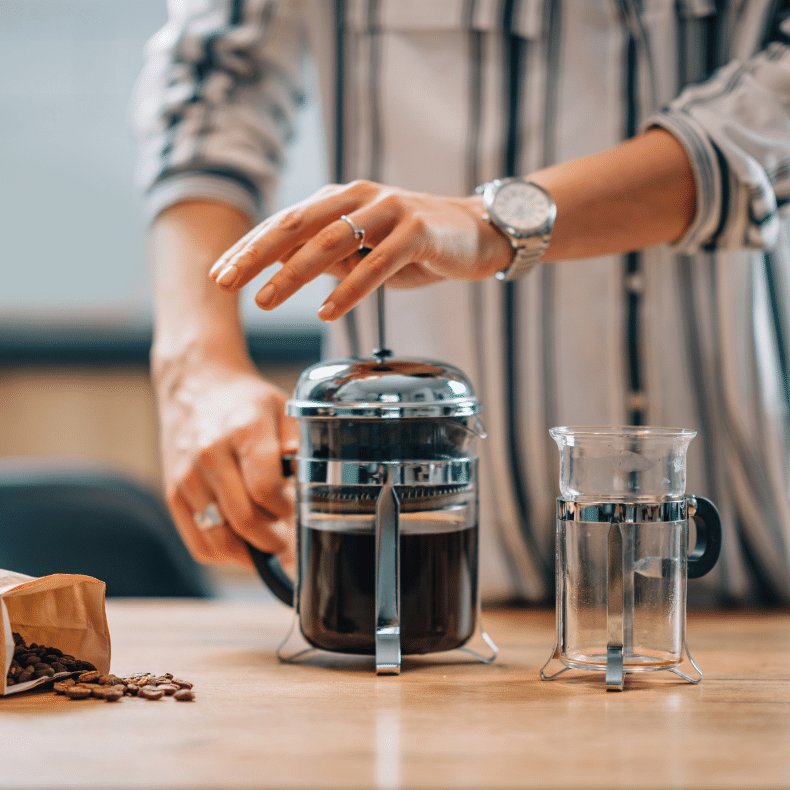
The Enduring Appeal of French Press Coffee
The French press, or cafetière, boasts a history stretching back to 19th-century France, though its modern form was patented by Italians in 1929. Its timeless appeal lies in its simplicity and the unique flavor it imparts. Unlike drip coffee makers that use paper filters, the French press’s mesh filter allows more of the coffee’s natural oils and dissolved solids to pass through, resulting in a brew with a bolder flavor and a more substantial mouthfeel. It’s an affordable, eco-friendly, and hands-on way to craft a delicious cup, making it a favorite for coffee enthusiasts worldwide.
What Defines a Good French Press? Key Characteristics
When you’re on the hunt for a good French press, several factors come into play, each contributing to the quality of your brew and the longevity of the device.
Material Matters: Glass, Stainless Steel, and Ceramic
The material of your French press profoundly impacts both its practicality and your coffee’s temperature retention.
- Glass: Borosilicate glass is a classic choice, offering a beautiful visual of the brewing process. It’s lightweight and easy to clean, but it’s more fragile and generally offers poor heat retention, meaning your coffee cools faster. If you enjoy the “theater of coffee brewing,” a glass press like the Bodum Chambord is an iconic option.
- Stainless Steel: Known for its durability and excellent heat retention, especially with double-walled insulation. Stainless steel presses are less prone to breaking and keep your coffee hot for longer. Many experts recommend double-walled stainless steel for its ability to maintain ideal brewing temperatures.
- Ceramic: While aesthetically pleasing and durable, ceramic can be heavier and, surprisingly, may cause water temperature to drop quicker than other materials, leading to inconsistent extraction and subpar coffee.
For those prioritizing durability and heat retention, double-walled stainless steel is often the superior choice.
Superior Filtration: Minimizing Sediment for a Cleaner Cup
A hallmark of a good French press is its ability to separate grounds effectively. While some sediment is an inherent part of French press coffee due to its metal filter, a well-designed filtration system minimizes this. Look for a finely woven mesh filter that fits snugly against the carafe walls. Some presses, like the Espro P7, feature dual micro-mesh filters that significantly reduce grit, offering a cleaner, crisper cup, though it might make the coffee taste less full-bodied than traditional French press.
Heat Retention: Keeping Your Coffee Perfectly Warm
The ideal brewing temperature for coffee is between 195°F and 205°F. A good French press, particularly one with double-walled insulation, helps maintain this temperature throughout the steeping process, ensuring consistent extraction and a hot cup of coffee. While single-walled glass presses don’t retain heat as well, insulated models can keep coffee hot for hours.
Durability and Build Quality: A French Press That Lasts
A good French press should feel sturdy and well-constructed. Look for quality materials and parts that fit together seamlessly, without flimsiness. A comfortable, firmly attached handle and a plunger that moves smoothly without scraping are indicators of good build quality. Durable construction means your French press can withstand daily use and potential bumps without breaking, chipping, or denting.
Size and Capacity: Brewing for One or Many
French presses come in various sizes, typically measured in ounces or liters. Consider how many cups you usually brew at once. A 32-ounce model can serve two to four people, while smaller presses are perfect for solo drinkers. Remember, French presses don’t have a built-in heating mechanism, so it’s generally better to brew fresh than let coffee sit for extended periods.
Ease of Use and Cleaning: Simple Pleasures, Simple Maintenance
A good French press should be easy to assemble, disassemble, and clean. Features like a nonstick interior coating can aid cleanup, and dishwasher-safe components are a major plus. The biggest challenge with any French press is removing the grounds; durable stainless steel presses can often withstand gentle tapping to dislodge them.
Choosing Your Good French Press: Factors to Consider
Finding the “right” French press is a personal journey, blending practicality with preference.
- Budget: French presses are incredibly cost-effective. You can find basic, good options for under $20, while higher-end, insulated stainless steel models can range from $50 to over $100. Surprisingly, some top-performing presses are not the most expensive.
- Your Lifestyle: If you travel or camp frequently, a durable, portable stainless steel press is ideal. For daily home use, consider size and heat retention.
- Aesthetic Preference: Many French presses double as attractive kitchen decor. From classic glass designs to sleek stainless steel, choose one that matches your kitchen’s vibe.
|
Our Picks for the Best French Press in 2026
As an Amazon Associate I earn from qualifying purchases.
|
||
| Num | Product | Action |
|---|---|---|
| 1 | French Press 34 oz, Full Stainless Steel French Press Coffee Maker 4 Cups, Upgrated Double-Walled Insulated French Coffee Presses, Food Grade Good for Kitchen Camping, Dishwasher Safe 2 More Filters |

|
| 2 | Utopia Kitchen Borosilicate Glass French Press Coffee Maker 34 oz, Heat-Resistant Cafetiere & Tea Maker, Thickened Glass Coffee Press for Travel and Camping, Black |
|
| 3 | Utopia Kitchen 304 Grade Stainless Steel French Press Coffee Maker 34 Oz, Double Wall Insulated Coffee Press with 4-Level Filtration System, Include 2 Extra Filters, Rust-Free, Dishwasher Safe, Silver |
|
| 4 | Amazon Basics French Coffee Press, 34 oz., Borosilicate Glass, BPA-Free, Removable Dishwasher-Safe Parts |
|
| 5 | Bodum 34oz Chambord French Press Coffee Maker, High-Heat Borosilicate Glass, Polished Stainless Steel – Made in Portugal |
|
| 6 | Utopia Kitchen 304 Grade Stainless Steel French Press Coffee Maker 34 Oz, Double Wall Insulated Coffee Press with 4-Level Filtration system, Include 2 Extra Filters, Rust-Free, Dishwasher Safe, Black |
|
| 7 | Bodum 34oz Chambord French Press Coffee Maker, High-Heat Borosilicate Glass, Stainless Steel, Black – Made in Portugal |
|
| 8 | Veken French Press Coffee Maker 34oz,No Plastic Touching Cafe,Thickened Borosilicate Glass Stainless Steel Brewer,Cold Brew Cafetera Teapot for Kitchen Travel Camping,Gifts,Bar Accessories,Dark Pewter |
|
| 9 | Bodum 12oz Chambord French Press Coffee Maker, High-Heat Borosilicate Glass, Polished Stainless Steel – Made in Portugal |
|
| 10 | Bodum 34oz Chambord French Press Coffee Maker, High-Heat Borosilicate Glass, Stainless Steel, Copper – Made in Portugal |
|
Master the Brew: Tips for a Good French Press Experience
Even the best French press needs a skilled hand to unlock its full potential.
- Coarse Grind: This is crucial. A coarse, even grind prevents fine particles from passing through the filter and clogging it. If you’re grinding your own, aim for a consistency similar to sea salt.
- Water Temperature: Use hot water between 195°F and 205°F for optimal extraction. Boiling water is too hot and can burn the coffee.
- Steep Time: The typical steep time is about four minutes for a balanced cup. For a stronger brew, you can extend this slightly, but be mindful of over-extraction which can lead to bitterness.
- Gentle Plunge: Don’t press too aggressively. The pressing action simply separates the grounds; the extraction has already occurred. A gentle, slow press minimizes sediment.
Keeping Your Good French Press in Top Condition
Proper care ensures your French press continues to deliver delicious coffee for years. Always disassemble the plunger and filter components for a thorough wash after each use to prevent coffee oils from building up and affecting future brews. Many are dishwasher-safe, but hand-washing can prolong their life, especially for glass parts.
Expert Insight: What the Pros Say
“A good French press isn’t just about the coffee it makes; it’s about the entire experience it offers,” shares Anya Sharma, a seasoned barista and coffee consultant. “It should be a joy to use, simple to clean, and built to last. The perfect press invites you to slow down and savor the ritual.”
Frequently Asked Questions About Good French Presses
How do I know if my French press is good quality?
A good quality French press is characterized by durable materials (ideally double-walled stainless steel or borosilicate glass), a snug-fitting, effective filtration system, excellent heat retention, a comfortable handle, and ease of cleaning and assembly.
Is a glass or stainless steel French press better?
Stainless steel French presses generally offer superior durability and heat retention due to their often double-walled construction, making them excellent for keeping coffee hot. Glass presses, while elegant and allowing you to observe the brewing, are more fragile and don’t retain heat as well. The “better” choice depends on your priorities for durability, heat retention, and aesthetics.
Can a French press really make sediment-free coffee?
While a French press will almost always have some minimal sediment due to its metal mesh filter, certain models with advanced dual-filtration systems (like the Espro P7) can significantly reduce grit and sludge, offering a cleaner cup than traditional presses. Using a very coarse grind and a gentle plunge also helps minimize sediment.
How often should I clean my French press?
You should clean your French press after every use. Disassemble all parts, especially the plunger and filter, and wash them thoroughly to prevent the buildup of coffee oils and residue, which can impart stale or bitter flavors to your next brew.
What’s the ideal grind size for a good French press?
The ideal grind size for a French press is coarse, resembling sea salt. A coarse grind prevents fine particles from passing through the mesh filter, reducing sediment in your cup, and avoids over-extraction during the longer steep time.
Conclusion
Choosing a good French press is an investment in your daily coffee ritual. It’s about finding a device that balances durability, thoughtful design, and superior brewing performance to consistently deliver that rich, full-bodied cup you crave. Whether you opt for the robust insulation of stainless steel or the classic elegance of glass, understanding these key characteristics will guide you toward a French press that not only makes excellent coffee but also enhances your entire experience. So, go ahead, explore the options, experiment with your brew, and share the joy of a perfectly pressed cup with FrenchPressInsights.com!