The aroma of freshly brewed coffee is an undeniable delight, and for many connoisseurs, the journey to that perfect cup begins with a simple yet elegant device: the French Press Machine. Far from being just another gadget, a French press offers a brewing experience that celebrates the coffee bean’s true essence, delivering a rich, full-bodied flavor that stands apart. If you’ve ever wondered how to consistently achieve cafe-quality coffee at home, understanding and mastering the French press machine is your golden ticket.
The Storied Past: History and Origins of the French Press
The French press, known by various names such as “cafetière à piston” in its native France, or simply a “press pot,” boasts a history as rich as the coffee it produces. While its precise origin is debated, the core concept of immersing coffee grounds in hot water and then separating them with a plunger emerged in France in the mid-1800s. Early designs, like those patented by French inventors Mayer and Delforge in 1852, paved the way for the sleek, functional models we recognize today. The Italian designer Attilio Calimani further refined the design in 1929, cementing its place as an iconic coffee brewing method worldwide.
Why Choose a French Press Machine? The Benefits of Immersion Brewing
In a world saturated with brewing methods, the French press machine holds a special place. Its unique immersion brewing process allows coffee grounds to steep completely in hot water, extracting a comprehensive range of flavors and aromatic oils that might be lost with paper-filtered methods.
Unparalleled Flavor and Body
The most celebrated benefit of the French press is its ability to produce a coffee with a rich, full-bodied flavor and a luxurious mouthfeel. Unlike drip coffee makers that use paper filters, the French press’s metal mesh filter permits beneficial coffee oils and fine sediment to pass into your cup. This results in a brew that retains more of the coffee’s natural complexities and unique characteristics. It’s an experience that truly allows the coffee to sing.
Simplicity and Portability
Despite its gourmet results, the French press machine is surprisingly straightforward to use. It requires no electricity (beyond heating water), making it highly portable and perfect for camping trips, office desks, or simply enjoying a quiet morning without the hum of an electric brewer. Its minimalist design also means fewer moving parts and less to go wrong.
Cost-Effective and Eco-Friendly Brewing
A French press machine is a one-time investment that saves you money in the long run by eliminating the need for expensive paper filters or single-use pods. This not only lightens your wallet but also reduces your environmental footprint, making it a sustainable choice for the eco-conscious coffee lover.
Key Components of a French Press Machine and How to Choose One
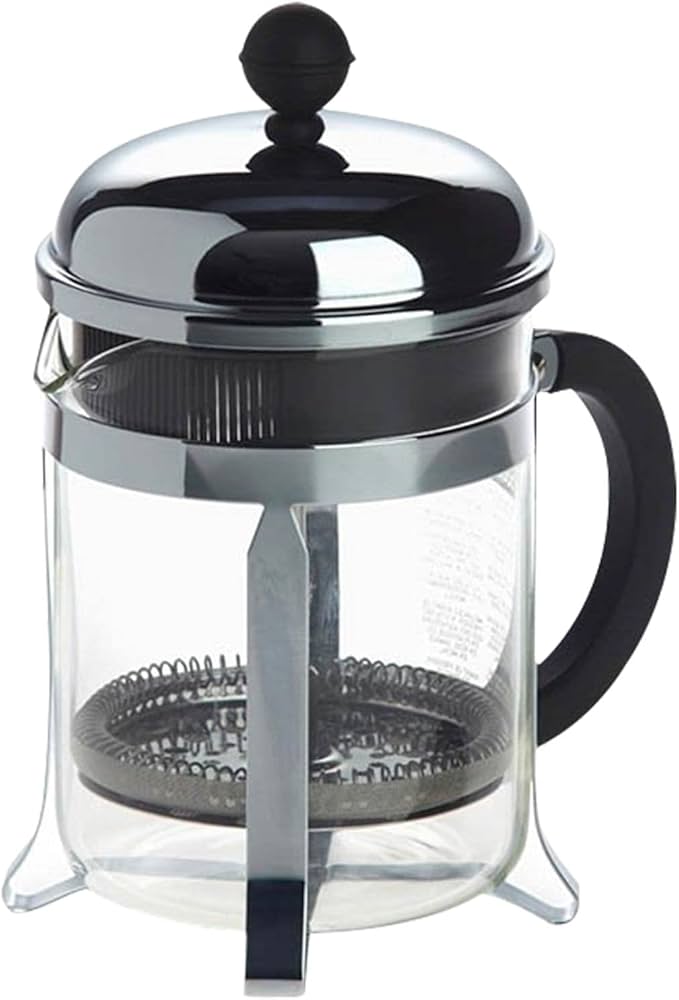
Understanding the anatomy of a French press machine is key to selecting the right one for your brewing adventures. Most French presses consist of a cylindrical carafe, a lid, and a plunger with a built-in mesh filter.
When choosing a French press, consider these factors:
- Material Matters: French press carafes typically come in glass or stainless steel. Glass carafes, like those found in classic Bodum Chambord models, offer visual appeal, allowing you to watch the brewing process. However, they can be fragile and lose heat more quickly. Stainless steel French presses, such as those from Secura or Espro, are highly durable, often double-walled for superior heat retention, and less prone to breakage [1 (best french press), 4 (best french press)].
- Capacity and Size: French press machines come in various sizes, from single-serving 12-ounce models to large 64-ounce options ideal for families or entertaining [3 (best french press)]. Consider your typical coffee consumption and how many cups you usually brew at once.
- Filter Quality: A high-quality filter system is crucial for minimizing sediment in your cup. Look for models with multi-stage filtration, often featuring double screens or micro-filters, which are highly effective at separating grounds from the brewed coffee [3 (Quora), 1 (best french press)].
For instance, coffee expert Dr. Elara Vance notes, “The beauty of a well-designed French press machine lies in its ability to empower the user. From the robust build of a stainless steel carafe to the precision of a multi-layered filter, each element contributes to a consistently exceptional brew. It’s about letting the coffee express itself fully, unhindered by inferior equipment.”
Step-by-Step Guide to Brewing the Perfect Cup with Your French Press Machine
Brewing coffee with a French press machine is a ritual that’s both simple and deeply satisfying. Follow these steps for an exquisite cup every time:
- Heat Your Water: Bring fresh, filtered water to a boil, then let it sit for 30 seconds to 2 minutes to cool slightly. The ideal temperature is between 190-200°F (90-93°C), just off the boil [3 (Quora), 1, 4]. Water that is too hot can “burn” the coffee, leading to a bitter taste.
- Prepare Your French Press: Place your French press machine on a dry, flat surface. If your carafe is glass, preheating it with some hot water (then discarding it) can help maintain brew temperature. Pull the plunger all the way up and out of the carafe.
- Add Ground Coffee: For every 6.7 ounces (200 ml) of water, use one heaping tablespoon (7-10 grams) of coarsely ground coffee [1, 3 (Quora)]. A good starting ratio is 1:20 coffee to water. The grind should resemble coarse sea salt or beach sand – too fine and it will pass through the filter, resulting in a muddy, over-extracted cup; too coarse and the coffee will be under-extracted and weak [1, 3 (Quora)].
- Pour Hot Water: Slowly and gently pour the hot water over the coffee grounds, ensuring all grounds are saturated.
- Stir Gently (Optional): Give the grounds a very gentle stir with a wooden or plastic spoon to ensure full immersion [3 (Quora)]. Avoid vigorous stirring that can over-agitate the grounds.
- Steep Your Coffee: Place the lid on the carafe, with the plunger resting just above the water and grounds (do not press down yet). Allow the coffee to steep for 3-4 minutes [1, 3 (Quora)]. This is the optimal time for extraction, though you can adjust it slightly for a stronger or weaker brew.
- Slowly Plunge: After the steeping time, press the plunger down slowly and steadily, maintaining even pressure. This separates the coffee grounds from the liquid. Avoid pressing too quickly, as this can force fine particles through the filter.
- Serve Immediately: Pour your freshly brewed coffee into cups right away. Leaving the coffee to sit in the French press machine will continue the extraction process, leading to an increasingly bitter taste [3 (Quora), 4].
Tips and Tricks to Elevate Your French Press Experience
Brewing with a French press machine is an art that can be refined with a few simple techniques:
Grind Size is King
Investing in a quality burr grinder is perhaps the single most impactful upgrade for your French press coffee. Freshly ground beans ensure maximum flavor, and a consistent, coarse grind is essential to prevent bitterness and excessive sediment.
Water Temperature Precision
While 190-200°F is the sweet spot, consistency is key. Using a thermometer can help you hit this temperature precisely, ensuring optimal extraction without scalding the beans.
The Golden Steep Time
Experiment with your steep time. While 4 minutes is a widely accepted standard, some prefer 3 minutes for a lighter, brighter cup, while others might go for 5 minutes for a bolder, more intense flavor. Find what suits your palate best.
The Bloom Effect
For an extra layer of flavor development, consider a “bloom.” After pouring a small amount of water over the grounds (just enough to saturate them), let it sit for about 30 seconds. This allows the coffee to “degas,” releasing CO2 and preparing the grounds for more even extraction. Then, continue pouring the remaining water.
Cleaning and Maintaining Your French Press Machine
Proper care ensures your French press machine delivers delicious coffee for years to come and prevents the buildup of old coffee oils that can impart off-flavors.
Daily Cleaning
After each brew, once the French press has cooled:
- Dispose of Grounds: Carefully scoop out or tip the used coffee grounds into a compost bin or trash. Never rinse a large amount of grounds down the sink, as this can cause plumbing clogs [1 (cleaning)].
- Rinse: Rinse all components—carafe, lid, and plunger—with warm water [1 (cleaning)].
- Wash with Soap: Add lukewarm water and a few drops of mild dish soap to the carafe. Pump the plunger up and down to clean the inside effectively, then use a soft sponge or bottle brush to scrub the carafe. Disassemble the plunger and clean each part individually [1 (cleaning), 5 (cleaning)].
- Rinse Thoroughly: Rinse everything with clean water until no soap residue remains [1 (cleaning)].
- Dry: Allow all parts to air dry completely or use a clean towel [2 (cleaning), 5 (cleaning)].
Deep Cleaning (Monthly)
For a more thorough clean to tackle stubborn coffee oils and mineral buildup:
- Disassemble Completely: Take apart all components of the plunger and filter assembly [2 (cleaning), 3 (cleaning)].
- Soak: Soak the disassembled parts in a solution of equal parts white vinegar and water for a few hours or overnight. Vinegar is excellent for dissolving oils and mineral deposits [1 (cleaning), 2 (cleaning)]. Alternatively, you can use a paste of baking soda and water to scrub parts [1 (cleaning)].
- Scrub and Rinse: Scrub each part gently with a soft brush, paying special attention to the mesh filter to ensure all residues are removed. Rinse thoroughly [2 (cleaning)].
- Dry and Reassemble: Ensure all components are completely dry before reassembling to prevent rust and mold growth [2 (cleaning)]. Store your French press in a clean, dry place [3 (cleaning)].
Creative Uses and Variations with Your French Press Machine
The versatility of the French press machine extends beyond traditional hot coffee, making it a valuable tool for various culinary experiments.
Cold Brew Perfection
A French press is ideal for making cold brew coffee. Simply combine coarse coffee grounds with cold water, stir, and let it steep in your refrigerator for 12-24 hours. Then, plunge and enjoy a smooth, less acidic concentrate.
Tea Infusion
Forget the tea bags! You can use your French press machine to steep loose-leaf tea, allowing the leaves to fully unfurl and release their complex flavors. The plunger acts as a perfect strainer for a clean cup.
Frothing Milk
For those who love lattes and cappuccinos, a French press can even be used to create foamed milk. Heat milk gently on the stovetop, pour it into the French press, and rapidly pump the plunger up and down until it’s frothy.
Frequently Asked Questions about French Press Machines
What grind size is best for a French press machine?
A coarse grind, similar to sea salt or breadcrumbs, is ideal for a French press. This prevents fine particles from passing through the filter and creating a muddy cup, while also allowing for proper extraction during the immersion process.
Can I leave coffee in my French press after brewing?
No, it’s highly recommended to pour your coffee immediately after plunging. If left in the French press machine, the coffee will continue to extract, leading to an increasingly bitter and over-extracted taste.
How do I clean the mesh filter on my French press machine?
For daily cleaning, disassemble the plunger and rinse the mesh filter under warm water, scrubbing gently with a brush if needed. For deep cleaning, soak the filter in a vinegar and water solution to remove built-up oils and fine grounds, then scrub and rinse thoroughly.
Why does my French press coffee taste bitter?
Bitterness in French press coffee often stems from a grind that’s too fine, water that’s too hot, or a steeping time that’s too long. Experiment with a coarser grind, slightly cooler water, and a shorter steep to find your sweet spot.
Is a French press machine worth it?
Absolutely! A French press machine offers an unparalleled rich, full-bodied coffee experience, is cost-effective, environmentally friendly, and versatile. It provides a level of control over the brewing process that many coffee enthusiasts cherish.
The French Press Machine: A Timeless Companion
The French press machine is more than just a coffee maker; it’s an invitation to a more intentional and flavorful coffee experience. From its humble origins to its status as a beloved brewing method, it continues to captivate coffee lovers with its ability to unlock the true potential of the bean. By understanding its components, mastering the simple brewing technique, and committing to regular care, your French press machine will serve as a faithful companion in your daily ritual, delivering consistently delicious cups that celebrate the art of coffee. So, embrace the plunge, savor the richness, and elevate your coffee journey with this timeless classic.