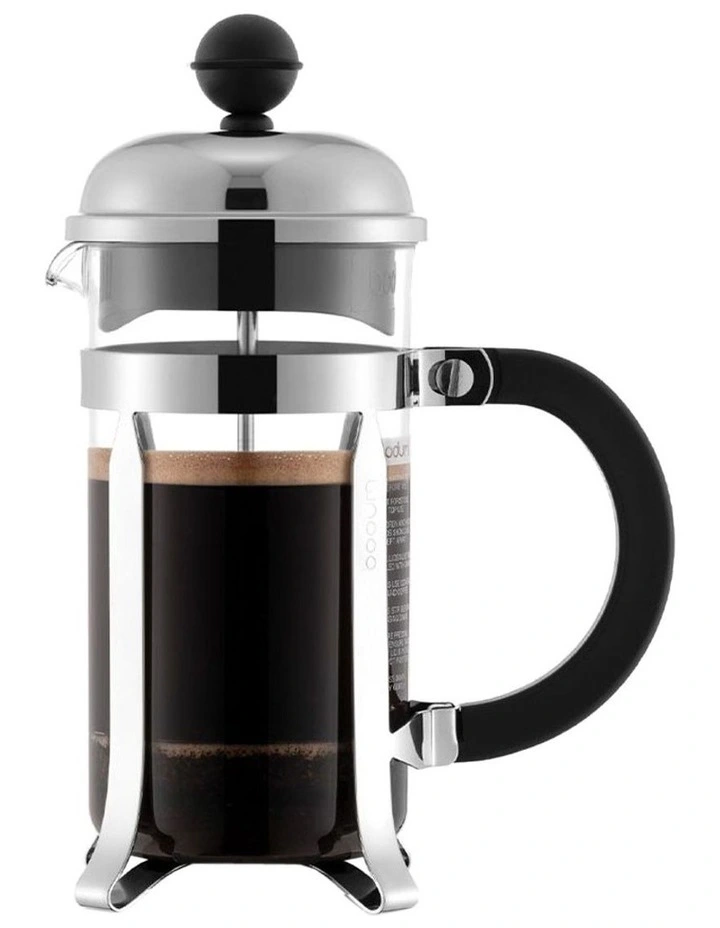
Forget everything you thought you knew about your French Press. While it’s celebrated worldwide for crafting robust, full-bodied coffee, this humble brewing device is also a secret weapon for tea enthusiasts. Indeed, a French Press For Tea brewing unlocks a world of rich flavors and offers unparalleled control, transforming your daily ritual into an elevated experience. If you’ve been looking for a simple yet sophisticated way to enjoy your favorite loose leaf teas, your French Press is ready to impress.
Why Your French Press is a Game Changer for Tea Enthusiasts
The French Press might seem like an unconventional choice for tea at first glance, but its design offers significant advantages that can genuinely enhance your cup.
Unlock Rich Flavors: Full Immersion Brewing
Unlike tea bags or mesh infusers that restrict movement, a French Press provides your loose leaf tea with ample room to expand and unfurl. This full immersion allows the water to circulate freely around every tea leaf, extracting a more complete and nuanced flavor profile. Imagine your tea leaves dancing in the water, releasing their full potential—that’s the magic of the French Press. You’ll notice deeper aromas and a more complex taste that often gets lost in smaller brewing vessels.
Simplicity Meets Control: Easy and Customizable
One of the greatest benefits of using a French Press for tea is the sheer control it offers. You decide the exact amount of tea, the water temperature, and, crucially, the steeping time. This level of customization allows you to fine-tune your brew to your precise taste, whether you prefer a light, delicate infusion or a strong, invigorating cup. It’s wonderfully simple once you get the hang of it, making it accessible even for those new to loose leaf tea. Plus, the transparent carafe lets you visually monitor the steeping process, adding to the sensory pleasure.
Sustainable Sipping: Ditch the Bags
For environmentally conscious tea drinkers, the French Press is an excellent choice. By using loose leaf tea, you significantly reduce waste generated by single-use tea bags, many of which contain plastic. It’s a small step towards a more sustainable lifestyle, offering a delicious brew without the guilt.
Choosing the Ideal French Press for Your Tea Collection
While any French Press can technically brew tea, a few considerations can help you select the best one for your tea journey.
Material Matters: Glass vs. Stainless Steel
French Presses typically come in glass or stainless steel. Glass carafes are popular because they allow you to observe the tea as it steeps, a visual delight as the leaves unfurl and the color deepens. However, they may not retain heat as effectively as insulated stainless steel models. Stainless steel presses are durable and excellent at maintaining temperature, which can be beneficial for teas that require longer steeping or for keeping your brew warm for multiple servings. The choice often comes down to personal preference for aesthetics versus heat retention.
The Importance of a Fine Mesh Filter
Most standard French Presses have a mesh filter designed for coffee grounds, which are generally coarser than tea leaves. For optimal results with tea, especially finer loose leaf varieties, a French Press with a very fine mesh filter is preferable. This helps minimize sediment in your cup, ensuring a cleaner, smoother drinking experience. If you already own a French Press, giving the plunger assembly a thorough check for any wear or gaps in the mesh is a good idea.
Size It Right: From Single Servings to Family Pots
French Presses come in various sizes, from small 12-ounce models perfect for a single cup to larger 34-ounce or even 50-ounce versions ideal for serving a group or preparing a batch of iced tea. Consider your typical brewing needs when choosing a size. A smaller press might be perfect for your morning solo ritual, while a larger one could be great for entertaining or making cold brew.
Your Step-by-Step Guide to French Press Tea Mastery
Brewing tea in a French Press is straightforward, but a few key steps will ensure you get a consistently delicious result every time.
1. Start Clean: The Essential First Step
This is perhaps the most critical step, especially if your French Press also serves coffee duty. Coffee oils are potent and can linger, imparting an unwanted flavor to your delicate tea. Always disassemble the plunger and wash all components thoroughly with warm, soapy water after each use. A deep clean every few weeks, perhaps with a vinegar solution, will keep your press pristine.
2. Measure with Precision: Tea Leaves to Water Ratio
A general guideline is one level tablespoon of loose leaf tea per 8 ounces of water. However, this can vary based on the tea type and your personal preference for strength. For more precise brewing, especially with high-quality teas, consider weighing your tea leaves; around 2.5 grams per 8 ounces is a good starting point. Adjust as needed to find your perfect balance.
3. The Perfect Heat: Water Temperature Guide for Different Teas
Water temperature profoundly affects the taste of your tea. Using water that’s too hot can scorch delicate leaves, leading to bitterness, while water that’s too cool won’t extract enough flavor.
- Black Tea (e.g., Assam, Darjeeling): 200-210°F (93-99°C) – just off a rolling boil.
- Oolong Tea: 180-195°F (85-91°C).
- Green Tea (e.g., Sencha, Dragon Well): 160-175°F (70-80°C) – visibly steaming but not boiling.
- White Tea: 175-185°F (80-85°C).
- Herbal Teas & Rooibos: 212°F (100°C) – boiling water.
4. Gentle Infusion: Pouring and Steeping Without Plunging
First, pre-warm your French Press by rinsing it with hot water, then discard the water. Add your measured tea leaves to the bottom of the carafe. Slowly pour the hot water over the leaves, ensuring they are fully submerged. Place the lid on top to trap the heat, but do not press the plunger down yet. Let the tea steep for the recommended time:
- Green Tea: 2-3 minutes
- Black Tea: 3-5 minutes
- Oolong Tea: 3-5 minutes
- White Tea: 3-8 minutes
- Herbal Teas/Rooibos: 5-15 minutes
These are starting points; always adjust based on your specific tea and desired strength.
5. The Plunge and Pour: Preventing Over-Extraction
Once your tea has steeped for the desired time, slowly and steadily press the plunger down to separate the tea leaves from the liquid. It’s crucial not to rush this step. After plunging, immediately pour out all the tea into your cup or a separate serving vessel. This is vital because tea leaves will continue to steep even when pressed to the bottom, leading to over-extraction and bitterness if left in the carafe.
Elevate Your Brew: Expert Tips for French Press Tea
Ready to take your French Press tea game to the next level? These expert insights will help you craft an even more exquisite cup.
Don’t Over-Steep: The Golden Rule of Tea
“The French Press provides an unparalleled intimacy with loose leaf tea,” says Elara Vance, a renowned tea sommelier. “It allows the leaves to dance freely, expressing their full spectrum of aroma and taste in a way that many other brewing methods simply can’t achieve. However, this intimacy demands attention: always pour out your tea promptly to avoid over-steeping, which can introduce unwelcome bitterness.” Learning the ideal steeping time for each tea type is key to unlocking its best flavor.
Tea Leaf Size: A Surprising Impact
Just like coffee grounds, the size of your tea leaves matters. Larger, whole leaves typically require longer steeping times, while broken leaves or fannings will steep more quickly. Adjust your steeping time accordingly, paying attention to how much surface area the tea has to interact with the water.
Pre-Warming Your Press: Consistency is Key
For the most consistent and flavorful brew, always pre-warm your French Press with hot water before adding your tea leaves. This prevents the brewing water from losing heat too quickly when it hits a cold carafe, ensuring a stable temperature throughout the steeping process.
Filtered Water: The Unsung Hero
The quality of your water significantly impacts the taste of your tea. Hard tap water or water with strong chemical tastes can detract from the delicate flavors of loose leaf tea. Using filtered water will allow the true character of your tea to shine through.
Experiment with Re-steeping
Many high-quality loose leaf teas, especially Oolongs and certain Green and Black teas, can be re-steeped multiple times. Each subsequent steep might reveal different layers of flavor. For re-steeping, simply add hot water to the previously steeped leaves and increase the steeping time by 30 seconds to a minute for each successive brew.
Beyond Hot Tea: Cold Brew and Herbal Infusions in Your French Press
The versatility of the French Press extends far beyond traditional hot tea, opening doors to refreshing cold brews and delightful herbal infusions.
Effortless Cold Brew Tea
Making cold brew tea in a French Press is incredibly simple and yields a smoother, less bitter, and often naturally sweeter beverage. Just add your loose leaf tea to the carafe, fill it with cold, filtered water, and let it steep in the refrigerator for 8-12 hours (or even overnight). In the morning, plunge and enjoy a revitalizing cold brew tea concentrate that’s perfect over ice. For an extra strong concentrate to be diluted, simply double the amount of tea leaves.
Infusing Fresh Herbs and Fruits
Your French Press is also excellent for crafting custom herbal infusions. Experiment with fresh mint, ginger, lemon verbena, hibiscus, or even sliced fruits like berries and citrus. The full immersion method is perfect for extracting the natural essences, creating unique and healthy beverages tailored to your taste.
Keeping it Pristine: Cleaning Your French Press for Pure Tea Flavor
Maintaining your French Press is essential, especially when brewing both coffee and tea, to ensure each beverage tastes exactly as it should.
Daily Rinse for Freshness
After each use, immediately discard the used tea leaves (compost them if possible!). Rinse the carafe and plunger assembly thoroughly with warm water. This prevents tea stains and minimizes the buildup of any lingering aromas.
Deep Clean Routines: Banishing Lingering Aromas
To keep your French Press truly pristine and free from any ghost flavors, a deeper clean is recommended regularly. Disassemble the plunger completely and scrub all components, paying special attention to the mesh filter, where tiny particles can get trapped. For a thorough clean, you can soak the disassembled plunger and carafe in a solution of warm water with a few drops of mild dish soap, a spoonful of baking soda, or even a dilute white vinegar solution for several hours or overnight. Ensure everything is rinsed exceptionally well before reassembling.
Dedicated Press: The Ultimate Solution for Coffee Lovers
If you’re a devout coffee drinker who occasionally enjoys tea, and you find it challenging to completely eliminate coffee oils and aroma, consider having a dedicated French Press solely for your tea. This ensures the purest tea experience every time, free from any cross-contamination of flavors.
French Press for Tea: Your Common Questions Answered
Q: Can I use tea bags in a French Press?
A: While technically possible, using tea bags in a French Press is generally unnecessary. Tea bags already act as their own steeping mechanism, so you wouldn’t gain the full immersion benefits that make a French Press ideal for loose leaf tea. It also creates extra cleanup without added value.
Q: Will my tea taste like coffee if I use the same French Press?
A: It’s a common concern, and yes, coffee flavors can linger. Coffee oils are potent and can impart an unwanted taste to your tea. Thorough cleaning is absolutely essential. If the coffee taste persists even after cleaning, consider dedicating one French Press solely for tea.
Q: How do I prevent bitterness when brewing tea in a French Press?
A: Bitterness in tea often comes from over-steeping or using water that’s too hot for delicate tea types. Stick to the recommended water temperatures and steeping times for your specific tea. Crucially, always pour out all the tea immediately after plunging to stop the brewing process.
Q: What’s the best tea for a French Press?
A: Loose leaf teas are best as they have room to expand. Most varieties, including black, green, white, oolong, and herbal teas, work wonderfully. Experiment with different types to discover your personal favorites, paying attention to their specific temperature and steeping time requirements.
Q: Can I make multiple cups of tea in a French Press?
A: Absolutely! The French Press is excellent for brewing multiple servings at once. Just scale up your tea leaf and water quantities proportionally. Remember to pour out all the tea immediately after plunging, even if you’re not drinking it all at once, to prevent the remaining tea from becoming over-steeped.
Conclusion
The journey into brewing French Press for tea is an exploration of flavor, control, and mindful appreciation. Far from being just a coffee brewer, your French Press is a remarkably versatile tool that invites you to elevate your tea experience. Embrace its simplicity, experiment with different teas and infusions, and savor the rich, full-bodied cups it consistently delivers. Here’s to many delightful moments, one perfect French Press brew at a time!