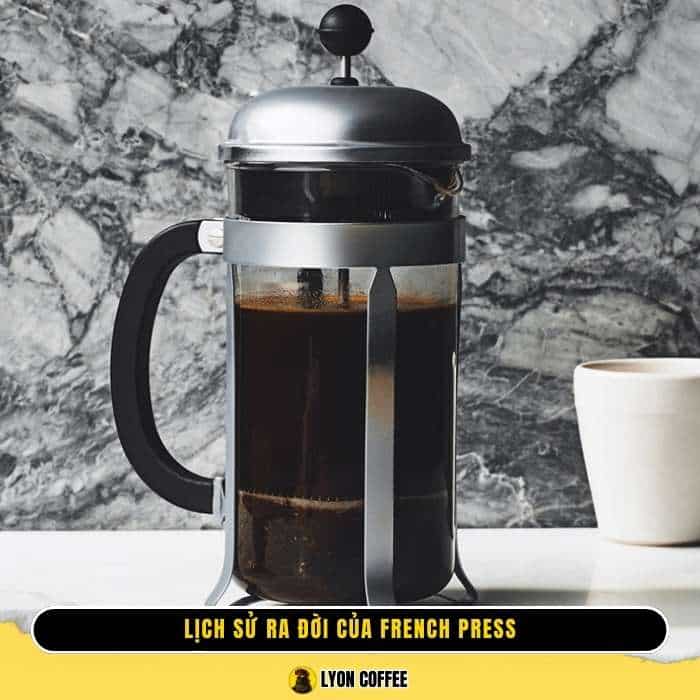
Imagine waking up to the rich aroma of freshly brewed coffee, a scent that promises a moment of pure bliss. For many coffee aficionados, this dream is effortlessly realized with a simple yet elegant device: the French Press Coffee Pot. More than just a brewing tool, it’s a gateway to a deeply satisfying and full-bodied coffee experience, offering a hands-on approach that connects you directly to your morning ritual.
A Journey Through Time: The Rich History of the French Press Coffee Pot
The story of the french press coffee pot is as rich and layered as the coffee it brews, a fascinating tale spanning centuries and continents. While its name proudly declares a French origin, its evolution involved significant Italian ingenuity. The earliest known precursor emerged in France in 1852, patented by two Frenchmen, Delforge and Mayer. This early design was quite rudimentary, featuring a basic metal container with a central rod and a cloth-covered mesh filter. While innovative for its time, it struggled with an imperfect seal, allowing fine coffee particles to escape into the brew.
It was in Italy where the design truly began to take its modern form. In 1929, Italian designer Ugo Paolini patented a piston-style coffee maker that laid crucial groundwork. Further refinements came in 1928 from Milanese designers Attilio Calimani and Giulio Moneta, who introduced a spring-sealed filter, significantly improving the separation of grounds. However, the most recognizable iteration of the modern french press coffee pot, with its efficient mesh filter and robust design, was patented in 1958 by Swiss inventor Faliero Bondanini. His design, later popularized under names like Chambord and by brands like Melior and Bodum, cemented the French press as a global icon, celebrated for its simplicity and exceptional brew quality.
Why Choose a French Press Coffee Pot? Unlocking Superior Flavor
So, why has the french press coffee pot maintained its revered status among a myriad of brewing methods? The answer lies in its unique ability to unlock a depth of flavor that other brewers simply can’t match. Unlike drip machines or pour-overs that use paper filters, the French press allows coffee grounds to fully steep in hot water. This immersion method ensures a more complete extraction of the coffee bean’s natural oils and dissolved solids.
The result is a remarkably full-bodied cup with a distinctively creamy mouthfeel, often described as richer and more substantial than lighter, filtered brews. Without a paper filter stripping away essential oils, you get all the nuanced flavors and aromatic complexities inherent in your coffee beans. Plus, it’s a relatively hands-off process once the initial steps are complete, allowing you to focus on other morning tasks while your coffee brews to perfection. For those seeking a bold, robust cup that truly showcases the character of their chosen beans, the french press coffee pot is an unparalleled choice. It also tends to deliver a more potent caffeine punch compared to a single shot of espresso, making it a favorite for those who need a serious wake-up call.
|
Our Picks for the Best French Press in 2026
As an Amazon Associate I earn from qualifying purchases.
|
||
| Num | Product | Action |
|---|---|---|
| 1 | Bodum 34oz Chambord French Press Coffee Maker, High-Heat Borosilicate Glass, Stainless Steel, Black – Made in Portugal |

|
| 2 | Utopia Kitchen 304 Grade Stainless Steel French Press Coffee Maker 34 Oz, Double Wall Insulated Coffee Press with 4-Level Filtration System, Include 2 Extra Filters, Rust-Free, Dishwasher Safe, Silver |
|
| 3 | Veken French Press Coffee Maker 34oz,No Plastic Touching Cafe,Thickened Borosilicate Glass Stainless Steel Brewer,Cold Brew Cafetera Teapot for Kitchen Travel Camping,Gifts,Bar Accessories,Dark Pewter |
|
| 4 | Utopia Kitchen 304 Grade Stainless Steel French Press Coffee Maker 34 Oz, Double Wall Insulated Coffee Press with 4-Level Filtration system, Include 2 Extra Filters, Rust-Free, Dishwasher Safe, Black |
|
| 5 | Bodum 34oz Chambord French Press Coffee Maker, High-Heat Borosilicate Glass, Polished Stainless Steel – Made in Portugal |
|
| 6 | Utopia Kitchen Borosilicate Glass French Press Coffee Maker 34 oz, Heat-Resistant Cafetiere & Tea Maker, Thickened Glass Coffee Press for Travel and Camping, Black |
|
| 7 | Amazon Basics French Coffee Press, 34 oz., Borosilicate Glass, BPA-Free, Removable Dishwasher-Safe Parts |
|
| 8 | Bodum 34oz Chambord French Press Coffee Maker, High-Heat Borosilicate Glass, Stainless Steel, Copper – Made in Portugal |
|
| 9 | French Press 34 oz, Full Stainless Steel French Press Coffee Maker 4 Cups, Upgrated Double-Walled Insulated French Coffee Presses, Food Grade Good for Kitchen Camping, Dishwasher Safe 2 More Filters |
|
| 10 | Bodum 12oz Chambord French Press Coffee Maker, High-Heat Borosilicate Glass, Polished Stainless Steel – Made in Portugal |
|
Decoding Your French Press Coffee Pot: Key Components and Buying Tips
A french press coffee pot might seem straightforward, but understanding its core components and how to choose the right one can significantly enhance your brewing journey.
At its heart, every French press consists of:
- The Carafe: This is typically made of heat-resistant glass, stainless steel, or ceramic. Glass carafes allow you to see the brewing process, while stainless steel options offer superior heat retention and durability, making them ideal for travel or outdoor adventures.
- The Plunger: Attached to the lid, the plunger features a fine-mesh filter that is crucial for separating the coffee grounds from the liquid. High-quality plungers often have multi-layered filters for a cleaner cup.
- The Lid and Handle: These complete the assembly, providing a secure top and an ergonomic way to pour your freshly brewed coffee.
When selecting a french press coffee pot, consider:
- Material: Glass for visibility, stainless steel for durability and heat retention.
- Size: French presses come in various sizes, from single-serving mini presses to large ones capable of brewing eight or more cups. Match the size to your daily coffee needs.
- Filter Quality: Look for fine, multi-layered mesh filters to minimize sediment in your cup.
- Ease of Cleaning: Some models are dishwasher safe, but hand-washing is often recommended to preserve the life of your press.
Brewing Perfection: A Step-by-Step Guide to Your French Press Coffee Pot
Mastering the french press coffee pot is a rewarding experience. Here’s how to brew a consistently excellent cup:
What grind size is best for a French press?
For a french press coffee pot, a coarse to medium-coarse grind is absolutely essential. Imagine sea salt or breadcrumbs – that’s roughly the texture you’re aiming for. This coarser grind prevents tiny particles from escaping through the mesh filter, which would result in a muddy, gritty cup. It also allows for optimal extraction during the longer steeping time.
What is the ideal water temperature for French press coffee?
The perfect water temperature is just off the boil, ideally between 195°F and 205°F (90°C to 96°C). Boiling water can scald the coffee grounds, leading to a bitter taste. If you don’t have a thermometer, simply bring your water to a boil and let it sit for about 30-60 seconds before pouring.
Step-by-Step Brewing:
- Heat Your Water: Heat fresh, filtered water to your desired temperature.
- Grind Your Beans: Measure your favorite whole beans (typically a 1:15 to 1:17 coffee-to-water ratio) and grind them coarsely just before brewing. Freshly ground beans make a huge difference!
- Pre-warm the Pot: Pour a little hot water into your empty french press coffee pot, swirl it around, and then discard. This helps maintain the brewing temperature.
- Add Coffee Grounds: Spoon your coarse grounds into the pre-warmed carafe.
- Pour Water: Gently pour about half of your hot water over the grounds, ensuring they are fully saturated. This is often called the “bloom” and allows the coffee to degas.
- Stir Gently (Optional): After about 30 seconds, give the grounds a gentle stir with a wooden or non-metal spoon to ensure even saturation.
- Add Remaining Water: Pour in the rest of the hot water.
- Steep: Place the lid on the french press, but do not plunge yet. Let the coffee steep for 4 minutes. This is the sweet spot for most roasts, but you can adjust based on your preference.
- Plunge: Slowly and steadily press the plunger down. This should take about 20-30 seconds. Resist the urge to press too quickly, as this can force fine particles through the filter.
- Serve Immediately: Pour your delicious coffee into your favorite mug and enjoy! Avoid letting coffee sit in the french press after plunging, as it will continue to extract and can become bitter.
Elevating Your Experience: French Press Coffee Pot Tips & Tricks
Making great coffee with a french press coffee pot is easy, but a few expert tips can take your brew from good to extraordinary. “The secret to an exceptional French press isn’t just the beans, but the finesse you apply to each stage – from the grind to the pour,” shares Dr. Elara Vance, a renowned coffee historian and barista champion.
- Freshness is Key: Always use freshly roasted, whole beans and grind them immediately before brewing. Pre-ground coffee loses its flavor rapidly.
- Experiment with Ratios: While 1:15 or 1:17 (coffee to water) is a great starting point, feel free to adjust. More coffee means a stronger brew, less makes it milder.
- Play with Steep Times: Four minutes is standard, but a darker roast might benefit from a slightly shorter time (3.5 minutes), while a lighter roast could shine with an extra 30 seconds (4.5 minutes).
- The Bloom: Don’t skip the initial pour and brief wait. This “bloom” allows gases to escape, resulting in a more even extraction and better flavor.
- Mind Your Water: Filtered water free from impurities will always yield a cleaner, better-tasting cup.
Keeping It Pristine: Care and Cleaning for Your French Press Coffee Pot
Proper care ensures your french press coffee pot continues to deliver delightful brews for years to come. Neglecting cleaning can lead to residue buildup that affects flavor.
Daily Cleaning:
- Discard Grounds: Once your coffee cools, scoop out the used coffee grounds into a compost bin or trash. Never flush them down the sink, as they can cause clogs. Use a rubber spatula or wooden spoon to avoid scratching glass carafes.
- Rinse All Parts: Disassemble the plunger and rinse all components thoroughly with warm water to remove any remaining grounds.
- Soapy Water Plunge: Fill the carafe halfway with warm water and a few drops of mild dish soap. Reinsert the plunger and pump it up and down several times. This helps dislodge coffee oils from the filter.
- Rinse Again: Empty the soapy water, then rinse all parts under clean running water until no soap residue remains.
- Dry Completely: Place all components on a drying rack or use a lint-free cloth to dry them. Ensure metal parts are fully dry to prevent rust.
Deep Cleaning (Weekly/Bi-weekly):
- For Mineral Buildup: If your glass carafe appears cloudy, soak it overnight in a solution of equal parts distilled white vinegar and hot water. Scrub gently with a non-abrasive sponge, then rinse thoroughly.
- For Stains: A paste made from baking soda and water can effectively remove stubborn coffee stains. Apply the paste, let it sit for a few minutes, then scrub and rinse.
Beyond the Basics: Creative Uses for Your French Press Coffee Pot
While primarily known for hot coffee, the versatile french press coffee pot can be a surprisingly useful tool for various culinary experiments.
Can you make cold brew coffee in a French Press?
Absolutely! Making cold brew in a french press coffee pot is incredibly simple and yields a smooth, less acidic, and less bitter coffee concentrate. Just add coarse grounds and cold or room temperature filtered water to your press. Stir gently to ensure all grounds are saturated, then place the lid on (do not plunge!) and let it steep in the refrigerator for 16-24 hours. The long, slow extraction with cold water brings out different flavor notes, often sweeter and mellower. After steeping, slowly press the plunger down, and you’ll have a concentrated cold brew ready to be diluted with water, milk, or ice to your liking.
Beyond coffee, your french press can also be used for:
- Brewing Loose Leaf Tea: Simply add tea leaves, hot water, steep, and plunge.
- Frothing Milk: Heat milk in a separate pot, then pour it into your clean French press. Rapidly pump the plunger up and down until the milk is frothed to your desired consistency.
- Infusing Oils or Spirits: Create flavored oils or unique cocktails by steeping herbs, spices, or fruit peels in your french press.
Conclusion
The french press coffee pot stands as a testament to the enduring appeal of simple, effective design. It’s a device that empowers you to take control of your coffee experience, delivering rich, full-bodied brews that truly awaken the senses. From its contested origins to its modern-day versatility, this iconic brewer has earned its place in kitchens worldwide. So, whether you’re a seasoned barista or just beginning your coffee journey, embracing the french press coffee pot promises a delightful exploration into the art of coffee. Experiment with different beans, grinds, and techniques, and discover the perfect cup that truly speaks to you. Cheers to many flavorful mornings ahead!