For centuries, coffee has been more than just a drink; it’s a ritual, a moment of solace, a jolt of inspiration. Among the myriad brewing methods, the French press stands as a beloved classic, cherished for its ability to deliver a rich, full-bodied cup that truly celebrates the coffee bean’s natural oils and deep flavors. But what if you could fuse that timeless tradition with a touch of modern convenience? Enter the Electric French Press, a fascinating evolution designed to simplify your brewing process without compromising on that coveted French press character.
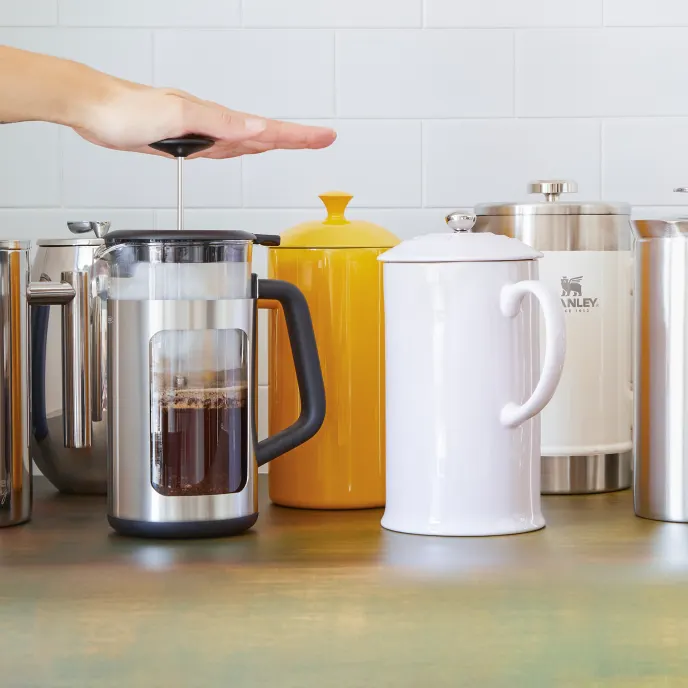
The Enduring Appeal of the French Press: A Quick Brew History
The story of the French press began in the mid-19th century, though its definitive design, as we know it today, was patented by Italians Attilio Calimani and Giulio Moneta in 1928. It quickly gained popularity for its simplicity and the distinct, robust flavor it produced. Unlike drip coffee makers that filter out precious coffee oils, the French press relies on total immersion brewing. This means coffee grounds steep directly in hot water, allowing for maximum flavor extraction and resulting in a cup rich in texture and aroma. Fans often describe it as a more “honest” cup, showcasing the true essence of the beans.
This manual method, while rewarding, traditionally requires a separate kettle to heat your water. For some, the extra step and counter space are minor inconveniences. For others, particularly those with busy lifestyles or limited kitchen real estate, a more streamlined approach is appealing. This is where the electric French press steps in, aiming to bridge the gap between artisanal brewing and modern living.
What Exactly is an Electric French Press?
At its core, an electric French press is a hybrid device that cleverly integrates a heating element directly into the French press carafe. Imagine your traditional French press, but with the added ability to heat water right there in the pot. You pour in cold water, switch it on, and the device brings the water to the optimal brewing temperature. This eliminates the need for a separate stovetop or electric kettle, simplifying your coffee-making ritual to a single, elegant appliance.
While it automates the water heating, it’s crucial to understand that an electric French press doesn’t completely automate the entire brewing process. You’ll still manually add your coarse-ground coffee, stir (if that’s part of your routine), allow it to steep, and then press down the plunger to separate the grounds from your brew. It’s a French press, through and through, but with the built-in convenience of a self-heating mechanism. It’s an “all-in-one” solution that many find incredibly appealing for its straightforward approach.
Why Choose an Electric French Press? The Unique Perks
Unmatched Convenience and Simplicity
The primary draw of an electric French press is undeniable convenience. By combining the water heating and brewing stages into a single unit, you cut down on steps and mental effort. You simply add water and coffee grounds, press a button, and wait for your water to heat. This makes it an excellent choice for those chaotic mornings when every second counts, or for anyone who appreciates a minimalist approach to their coffee routine. It streamlines the brewing process, allowing you to focus on savoring your coffee rather than managing multiple appliances.
Space-Saving Design
In smaller kitchens, dorm rooms, or office settings, counter space is often at a premium. An electric French press offers a compact solution, taking up less room than a separate kettle and traditional press. This consolidated design is a godsend for minimalists and those in urban apartments, providing a complete brewing station in one neat package. It’s about decluttering your space while still enjoying high-quality coffee.
Portability for the Adventurous (and the Everyday!)
While some larger electric models are designed for home use, many smaller, more robust versions of the electric French press are marketed towards travelers, campers, and adventurers. These portable units can often be powered by car outlets or portable power stations, making it possible to enjoy a freshly brewed, full-bodied cup of coffee wherever your journey takes you. Imagine waking up to a pristine mountain view and brewing your favorite coffee without needing a campfire or bulky stove. This portability truly sets certain electric models apart, transforming your outdoor experiences.
Versatility Beyond Coffee
Much like its traditional counterpart, an electric French press isn’t limited to just coffee. Its immersion brewing method makes it ideal for preparing other delightful beverages. You can use it to steep loose-leaf teas, create rich herbal infusions, or even craft cold brew coffee by allowing grounds to steep in cold water for an extended period (if the model supports a “cold brew” or simple steeping function without heating). This versatility adds significant value, making it a multifaceted tool in your kitchen arsenal.
Navigating the Trade-offs: Potential Downsides
While the electric French press offers compelling advantages, it’s also important to consider where it might fall short for some coffee enthusiasts.
Less Control Over Water Temperature
For coffee connoisseurs who meticulously control every variable of their brew, the preset temperature of many electric French press models can be a drawback. Traditionalists often prefer to heat water to a precise 200-205°F (93-96°C) to optimize extraction for specific beans. Many electric models heat water to a single, predetermined temperature, which might not offer the nuanced control some desire. “The electric French press bridges the gap between classic brewing and modern living. While it might sacrifice a touch of temperature control for the purist, the sheer convenience it offers for busy mornings or on-the-go adventures is a game-changer for many coffee lovers,” says Clara Beaumont, a renowned coffee technologist and founder of ‘Brew Innovations Lab.’
The Investment: Cost Consideration
Generally, an electric French press will come with a higher price tag than a standard manual French press. The integrated heating elements and electronic components contribute to a more complex manufacturing process, translating to a greater cost for the consumer. If budget is a primary concern, a high-quality manual French press remains a very affordable option for exceptional coffee.
Maintenance and Durability
With more integrated mechanical and electrical parts, there’s a slightly increased potential for malfunction compared to a simpler, manual press. Additionally, the cleaning process can be a bit more involved. While the carafe and plunger might be easily detachable and dishwasher-safe, the base with the heating element requires careful cleaning to avoid damaging electrical components. Ensuring the longevity of your electric French press will depend on proper care and maintenance.
Key Components of an Electric French Press and What to Look For
When considering an electric French press, understanding its components and what features to prioritize can make all the difference:
- Heating Element: This is what differentiates it from a traditional press. Look for efficient and reliable heating.
- Carafe Material: Stainless steel offers durability and heat retention, while borosilicate glass allows you to watch the brewing process and is generally easier to clean.
- Plunger and Filter: Essential for any French press. A fine mesh filter is key to minimizing sediment in your cup. Some modern designs feature double-filtered plungers for an even cleaner brew.
- Capacity: Electric models vary in size. Consider how many cups you typically brew to choose an appropriate capacity, often ranging from single-serve to larger family sizes (e.g., 30 oz / 880 ml).
- Power Source: Most are corded, but portable versions designed for travel might offer compatibility with DC power sources (like car adapters) or power stations.
- Controls: Look for intuitive, one-button operation, or if available, models with variable temperature settings for more control.
- Safety Features: Automatic shut-off and boil-dry protection are important safety considerations.
Brewing Perfection: Your Step-by-Step Guide to Using an Electric French Press
Making a magnificent cup of coffee with your electric French press is straightforward. Here’s a typical “6-minute coffee drill” that yields delicious results:
- Prepare Your Coffee: Start with freshly roasted, high-quality coffee beans. Grind them coarsely, similar to sea salt. A coarse grind is crucial to prevent over-extraction and excessive sediment.
- Add Water: Pour cold, filtered water into the carafe up to your desired fill line (typically 16 oz for a single-serve or larger for multiple cups).
- Heat the Water: Place the carafe on its heating base (if separate) or simply plug in the unit if it’s an all-in-one design. Press the “DRINK” or “POWER” button to begin heating. This usually takes around 3-5 minutes to reach boiling or optimal brewing temperature.
- Add Coffee Grounds: Once the water is heated (some models will beep or indicate when ready), add your coarsely ground coffee. A good starting ratio is 1:15 or 1:16 (coffee to water). For 16 oz of water (approx 470ml), this would be around 30 grams of coffee.
- Stir and Steep: Gently stir the coffee grounds to ensure they are fully saturated (a process known as “blooming”). Place the lid on top, but don’t plunge yet. Allow the coffee to steep for about 4 minutes. This is the heart of the immersion process, where flavor extracts.
- Plunge: After the steep time, slowly and steadily press the plunger all the way down. Apply gentle, consistent pressure to separate the grounds from the brewed coffee. Avoid forcing it down too quickly, as this can agitate the grounds and create a muddy cup.
- Serve Immediately: Pour your freshly brewed coffee into your favorite mug and enjoy! Do not let the coffee sit in the press with the grounds after plunging, as it will continue to extract and can become bitter.
Elevate Your Brew: Tips and Tricks for Your Electric French Press
Even with the convenience of an electric French press, a few simple tips can dramatically enhance your coffee experience:
- Master the Grind: Always use a coarse grind. Finer grinds will pass through the filter, resulting in a silty cup and over-extracted, bitter flavors.
- Perfect Your Ratio: Experiment with your coffee-to-water ratio. While 1:15 is a standard starting point, adjust to your personal preference. More coffee for a stronger brew, less for a milder one.
- Embrace Freshness: Use freshly roasted beans and grind them just before brewing. This makes a noticeable difference in flavor and aroma.
- Pre-warm Your Mug: Pouring hot coffee into a cold mug can quickly reduce its temperature. Pre-warming your mug with a splash of hot water (from your electric French press!) ensures your coffee stays hotter longer.
- Don’t Over-Steep: While some like a longer steep, generally 4 minutes is the sweet spot. Going much longer can lead to bitterness.
Caring for Your Electric French Press: Cleaning and Maintenance
Proper care ensures your electric French press continues to deliver delicious coffee for years.
- Daily Cleaning: After each use, discard the coffee grounds. Rinse the carafe, plunger, and lid with warm water. A mild dish soap can be used for a more thorough clean.
- Disassembly for Deep Clean: Periodically, disassemble the plunger mechanism to clean out any trapped coffee fines.
- Cleaning the Heating Base: For electric models, avoid submerging the heating base in water. Wipe it down with a damp cloth.
- Descaling: If your water is hard, mineral deposits can build up on the heating element over time. Consult your manual for descaling instructions, usually involving a vinegar or citric acid solution.
- Dishwasher Safety: Check your specific model’s instructions. Many carafes and plungers are dishwasher-safe, but the electric base typically is not.
Beyond the Bean: Creative Uses for Your Electric French Press
Your electric French press is more than a one-trick pony. Beyond your daily coffee, consider these creative applications:
- Iced Coffee & Cold Brew: Brew a stronger batch of hot coffee, then chill it over ice for a quick iced coffee. Alternatively, for true cold brew, simply add coarse grounds and cold water, let it steep in the fridge overnight (if the model allows for safe cold steeping), and plunge the next morning.
- Flavorful Teas: Steep loose-leaf herbal, black, or green teas to perfection. The plunger effectively separates the leaves for a clean cup.
- Hot Chocolate Infusions: For an extra rich hot chocolate, you can use your electric French press to steep cocoa powder and milk, then plunge to mix thoroughly.
Frequently Asked Questions (FAQ)
Is an electric French press truly automatic?
No, an electric French press primarily automates the water heating step. You still manually add coffee, stir, steep, and plunge the coffee grounds. It offers convenience but isn’t fully automatic like some drip coffee makers.
Can I control the temperature with an electric French press?
Many basic electric French press models heat water to a single, preset temperature. However, some advanced models offer variable temperature control, allowing you to select your desired brewing temperature. Check product specifications for this feature.
Is an electric French press dishwasher safe?
Typically, the glass or stainless steel carafe and the plunger assembly of an electric French press are dishwasher safe. However, the electric heating base should never be submerged in water or put in a dishwasher due to its electronic components. Always refer to your device’s user manual.
How long does it take to brew coffee with an electric French press?
The total brewing time for an electric French press usually ranges from 6 to 10 minutes. This includes 3-5 minutes for the water to heat and 4 minutes for the coffee to steep.
What kind of coffee beans should I use in an electric French press?
For an electric French press, it’s best to use fresh, high-quality whole beans ground coarsely just before brewing. The French press method excels with medium to dark roasts, bringing out their full-bodied and rich flavors, but any roast can be enjoyed.
The Verdict on the Electric French Press: Convenience Meets Classic Brew
The electric French press represents a thoughtful evolution of a beloved coffee classic. It brilliantly answers the call for convenience, offering an all-in-one solution that streamlines the brewing process, saves counter space, and even caters to adventurous, on-the-go lifestyles. While purists might miss the granular control over water temperature, for many, the ease of use and consistent results far outweigh this trade-off.
If you cherish the rich, unfiltered flavors of French press coffee but yearn for a simpler, more efficient way to enjoy it, an electric French press might just be the perfect addition to your kitchen. It’s about blending the best of both worlds: the robust taste you love, delivered with effortless modern flair. So go ahead, explore the possibilities, and find the perfect electric French press to elevate your daily coffee ritual!