There’s a special kind of magic that comes with sipping a fresh, rich cup of coffee amidst the quiet calm of nature. It’s a moment of pure bliss, a taste of home comfort in the heart of the wilderness. While instant coffee has long been the default for outdoor enthusiasts, there’s a superior way to elevate your morning ritual: with a dedicated Camping French Press Coffee Maker. Forget chalky powders; imagine full-bodied, aromatic coffee that kickstarts your adventure with true flavor.
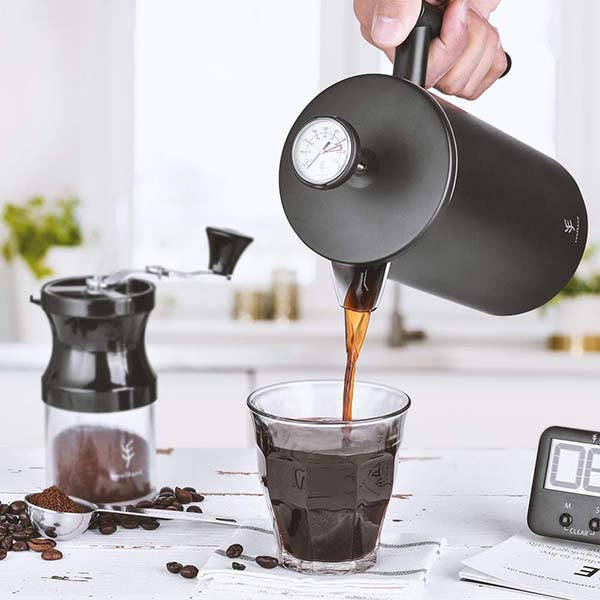
The Unrivaled Charm of French Press Coffee in the Wild
The French press, a deceptively simple device, has a rich history dating back to the 19th century, though its modern form gained popularity in Italy in the 1920s. Its appeal lies in its immersion brewing method, which allows coffee grounds to steep directly in hot water, extracting a full spectrum of flavors and oils that paper filters often trap. This results in a robust, complex cup that many connoisseurs swear by.
For camping, the French press truly shines. It’s incredibly straightforward, requiring minimal equipment beyond the press itself, hot water, and coffee grounds. There are no delicate paper filters to pack or waste to deal with, and it’s remarkably versatile, able to work with nearly any heat source you use to boil water. It delivers a cup far superior in taste to traditional boiled coffee or a percolator, and it’s less finicky than a pour-over in a windy, uneven outdoor setting. It’s about simplicity without sacrificing quality, making it the ideal companion for your next outdoor escapade.
Anatomy of Adventure: What Makes a Great Camping French Press Coffee Maker?
Not just any French press will survive the rigors of the trail. A great camping French press coffee maker is specifically engineered for resilience, portability, and excellent insulation, ensuring your coffee stays hot and your gear stays intact.
Built for the Backcountry: Durability and Materials
When you’re out in nature, accidents happen. That delicate glass French press from your kitchen counter simply won’t cut it. The best camping French presses are crafted from robust materials like double-walled stainless steel or tough, shatter-resistant plastic. Stainless steel is often the gold standard, offering incredible durability and superior insulation to keep your brew warm for hours. You can drop it, toss it in your pack, and it will likely emerge unscathed. Glass, while elegant at home, is a definite no-go for camping as it’s prone to breakage, which is the last thing you want deep in the woods.
Travel-Ready Design: Portability and Size
Space and weight are always a premium when camping, especially if you’re backpacking. A good camping French press coffee maker features a compact design, often with folding handles that tuck away neatly, making it easy to stash in your pack or gear bin. Some clever designs even double as a boiling pot, like the Stanley Boil & Brew, allowing you to heat your water and press your coffee in a single unit. This all-in-one functionality significantly reduces clutter and pack weight, a major win for any outdoor adventure. For ultralight backpackers, models resembling a water bottle, such as the ESPRO P0 Ultralight, offer supreme portability.
Beyond Just Brewing: Insulation and Versatility
Imagine waking up to a chilly morning at the campsite, eager for that first sip of hot coffee, only to find it lukewarm. This is where double-wall vacuum insulation comes into play. Premium camping French presses are designed to keep your coffee piping hot for several hours, allowing you to savor it at your own pace without rushing. Many of these durable presses aren’t just for coffee; they can also brew tea, make delicious cold brew, or even serve as a vessel for boiling water for other camp meals, adding fantastic versatility to your outdoor kitchen setup.
The Grit-Free Promise: Filtration Systems
One common complaint about French press coffee is the potential for sediment in your cup. However, modern camping French press coffee maker designs often incorporate fine mesh filters, sometimes even double-layered, that do an excellent job of keeping grounds out of your cup. This ensures a smooth, clean sip, even when you’re roughing it. Look for plungers with silicone rings that create a tighter seal against the carafe walls, minimizing rogue coffee particles.
Choosing Your Trail Companion: Key Considerations for Your Camping French Press
With an array of options available, selecting the perfect camping French press coffee maker comes down to your specific needs and camping style.
- Capacity: Are you a solo adventurer who needs a single robust cup, or are you brewing for a group? French presses range from single-serve mugs (around 16oz) to larger units capable of making over a liter (32-42oz), enough for several companions. Match the capacity to your typical group size.
- Ease of Cleaning: While at home you might have a full sink, campsite cleaning is usually more basic. Look for models that are easy to rinse out and disassemble. Dishwasher-safe components are a bonus for thorough cleaning once you’re back home.
- Weight vs. Durability: Backpackers will prioritize lightweight options, even if it means slightly less insulation or a smaller capacity. Car campers, on the other hand, can afford to carry heavier, more insulated, and larger stainless steel presses for maximum comfort.
- Budget vs. Features: More expensive models often come with superior insulation, advanced filtration, and added durability. Determine which features are essential for your camping style and invest accordingly.
As seasoned outdoor gear expert, Alex Thorne, puts it, “The right camping French press isn’t just about making coffee; it’s about enhancing the entire outdoor experience. Prioritize ruggedness and insulation – you’ll thank yourself on those frosty mornings.”
Mastering the Wilderness Brew: How to Use Your Camping French Press Coffee Maker
Making exceptional coffee with your camping French press coffee maker is wonderfully simple. Here’s a step-by-step guide to that perfect cup:
- Boil Your Water: Heat fresh, clean water to just off the boil, ideally between 195-205°F (90-96°C). If you don’t have a thermometer, let boiling water sit for about 30-60 seconds after removing it from the heat.
- Grind Your Coffee: For French press, a coarse, even grind is crucial. It looks similar to sea salt. If the grind is too fine, you’ll get a sludgy, over-extracted, and bitter cup with lots of sediment.
- Add Coffee and Water: Place your coarse grounds into the French press. A good starting ratio is 1:15 or 1:17 (e.g., 1 gram of coffee for every 15-17 grams of water). Pour just enough hot water to saturate the grounds, let it “bloom” for about 30 seconds. Then, slowly pour the remaining hot water over the grounds.
- Steep: Gently stir the coffee, then place the plunger lid on top, but don’t press it down yet. Let the coffee steep for 4 minutes for a balanced extraction. You can adjust this time to your taste – longer for a stronger brew, shorter for a lighter one.
- Plunge: After steeping, slowly and steadily press the plunger down, pushing the grounds to the bottom. Resist the urge to press quickly, as this can agitate the grounds and force sediment into your cup.
- Pour and Enjoy: Immediately pour all the coffee into your mug(s). Leaving it in the press will continue the extraction, leading to a bitter taste. Sip and savor your freshly brewed wilderness delight!
Elevate Your Outdoor Coffee Game: Tips and Tricks
Want to make your camping coffee truly unforgettable? Here are a few insider tips:
- Pre-Grind or Go Portable? For convenience, pre-grind your beans at home and store them in an airtight container. For the freshest possible cup, consider a compact hand grinder. It adds a step but is a game-changer for flavor.
- Water Quality Matters: Just like at home, the quality of your water significantly impacts taste. Use filtered or bottled water if your campsite water isn’t pristine.
- Pre-Warm Your Press: If you have extra hot water, pour a little into your French press, swirl it around, and discard before adding your coffee grounds. This helps maintain the brewing temperature and keeps your coffee hotter for longer.
- Try Cold Brew: Your camping French press is also perfect for cold brew! Simply add coarse grounds and cold water, stir, then let it steep in a cool place (or even your cooler) for 12-24 hours. Plunge, and you have a smooth, low-acid concentrate perfect for mixing with water or milk.
Caring for Your Camp Companion: Cleaning and Maintenance
Keeping your camping French press coffee maker clean ensures longevity and great-tasting coffee every time.
- At the Campsite: Immediately after pouring your coffee, remove the plunger and discard the wet grounds into a designated waste bag (pack it in, pack it out!). Rinse the carafe and plunger components with water. A quick wipe with a clean cloth or paper towel helps remove any residue.
- At Home: For a thorough cleaning, disassemble the plunger completely and wash all parts with warm, soapy water. Use a brush to get into the mesh filter. Many stainless steel models are dishwasher safe, but always check the manufacturer’s instructions. Ensure all parts are completely dry before reassembling and storing.
FAQs About Camping French Press Coffee Makers
Q: Can I use regular ground coffee in my camping French press?
A: While you technically can, a coarse grind is highly recommended. Regular pre-ground coffee is often too fine for a French press, leading to over-extraction, bitterness, and excessive sediment in your cup.
Q: How do I keep my coffee hot for longer while camping?
A: Choose a double-walled, vacuum-insulated stainless steel French press. Pre-warming the press with hot water before brewing and immediately pouring all brewed coffee into an insulated mug or thermos will also help maintain temperature.
Q: Is a French press better than a percolator for camping?
A: Many coffee enthusiasts prefer a French press for its superior flavor. Percolators tend to re-circulate coffee over hot grounds, which can lead to a bitter, over-extracted taste. French presses offer a cleaner, richer, and more controlled brew.
Q: What’s the ideal water temperature for French press coffee?
A: The ideal temperature is between 195-205°F (90-96°C). If you don’t have a thermometer, simply bring water to a boil and then let it sit for about 30-60 seconds before pouring.
Q: How do I prevent sediment in my French press coffee?
A: The key is a coarse, even grind and a slow, steady plunge. Avoid disturbing the grounds too much during pouring. High-quality French presses often feature finer mesh filters and tighter-sealing plungers to minimize sediment.
Your Wilderness Coffee Journey Awaits
Embracing a camping French press coffee maker is more than just upgrading your gear; it’s about transforming your outdoor mornings into moments of genuine pleasure. From the satisfying aroma that fills the crisp air to the rich, smooth taste that invigorates your senses, the French press delivers a coffee experience that perfectly complements the beauty of nature. So, pack your bags, grind your beans, and prepare to elevate your camping adventures, one exquisite cup at a time. The wilderness is calling, and it’s time for some seriously good coffee.