There’s a unique ritual to making coffee with a French press that truly captivates the senses. It’s a moment of mindful brewing, where you connect with your coffee, transforming simple beans into a rich, aromatic elixir. If you’re looking to elevate your home coffee experience and want to buy a French press, you’re on the cusp of discovering a brewing method cherished by enthusiasts worldwide. This guide will walk you through everything you need to know to choose the perfect French press that will be your trusted companion for years to come.
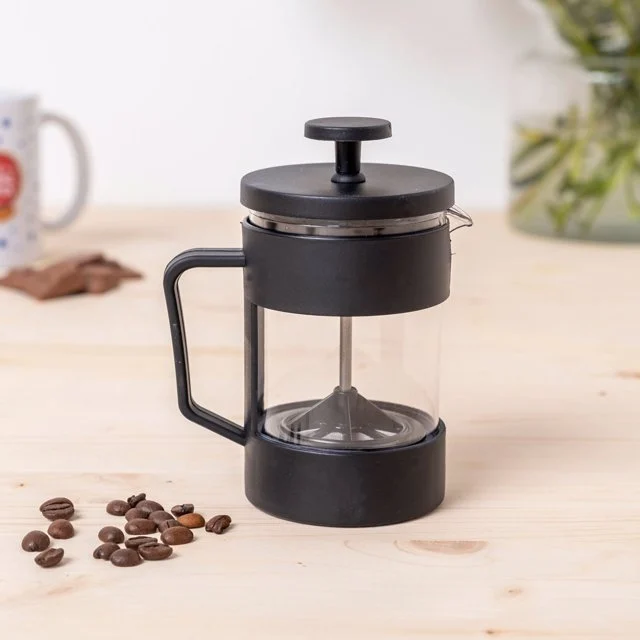
The Allure of the French Press: Why It’s Your Next Coffee Essential
Before you dive into the specifics of how to buy a French press, let’s talk about why this humble device continues to reign supreme in many kitchens. The French press offers a distinct coffee experience that sets it apart from other brewing methods.
Firstly, it delivers an incredibly rich, full-bodied flavor. Unlike drip coffee makers that use paper filters, a French press uses a mesh plunger, allowing the coffee’s natural oils and fine particles to pass into your cup. This results in a more robust, nuanced flavor profile and a luxurious mouthfeel that truly sings with every sip.
Secondly, it champions simplicity and control. With a French press, you’re the master of your brew. You dictate the water temperature, the coffee-to-water ratio, and the steeping time, allowing for endless experimentation to discover your perfect cup. It’s an accessible entry point into manual brewing that doesn’t require complex gadgets or techniques.
Thirdly, it’s an eco-friendly choice. Say goodbye to disposable paper filters and single-use plastic pods. A French press typically uses a reusable metal filter, significantly reducing waste and making your daily coffee habit a little greener.
And finally, its versatility extends beyond just coffee. A French press is a fantastic tool for steeping loose-leaf tea or even making delicious cold brew, showcasing its adaptability as a multi-purpose kitchen essential.
What to Look For When You Buy a French Press: Key Components and Considerations
When you’re ready to buy a French press, the options can seem overwhelming. But don’t fret! Focusing on a few key aspects will help you narrow down the field and find the ideal brewer for your needs.
Material Matters: Glass, Stainless Steel, or Ceramic?
The material of your French press plays a significant role in its durability, heat retention, and even its aesthetic appeal.
- Glass French Presses: The classic choice, often made from heat-resistant borosilicate glass. Glass presses offer a beautiful visual experience, allowing you to watch the coffee bloom and steep. They are generally more affordable but can be fragile and tend to lose heat faster than other materials. “While the visual appeal of a glass French press is undeniable, remember that gentle handling is key,” advises Dr. Elara Vance, a renowned coffee physicist.
- Stainless Steel French Presses: These are champions of durability and heat retention. Many stainless steel models feature double-walled insulation, which keeps your coffee hot for extended periods. They’re more robust than glass, making them excellent for travel or busy households, though they often come with a higher price tag.
- Ceramic and Other Materials: While less common for the main carafe, ceramic can offer good heat retention and a unique aesthetic, but shares the fragility concerns of glass. Some newer designs might incorporate BPA-free plastics in handles or lids; ensure these plastics do not come into contact with the hot coffee itself to prevent any unwanted flavors.
Size It Up: Finding the Right Capacity for Your Needs
French presses come in various sizes, typically measured in “cups” (usually 4 ounces per “cup”). Consider how much coffee you typically brew at once.
- 3-cup (12-17 oz): Perfect for a single coffee lover who enjoys one generous mug.
- 8-cup (32-34 oz): The most popular size, ideal for couples or small households who enjoy a few cups.
- 12-cup (51 oz+): Best for entertaining guests, larger families, or those who want to brew a bigger batch of cold brew.
The Heart of the Brew: Filter Quality and Design
A good filter is essential for a clean, sediment-free cup. Look for a French press with a fine mesh filter that fits snugly against the walls of the carafe. Some advanced models boast double-filtration systems that significantly reduce sediment, offering a remarkably smooth brew. Ensure the filter is easy to detach and clean, as coffee oils can build up and affect future brews.
Insulation: Keeping Your Coffee Hotter, Longer
If you like to savor your coffee slowly or want to brew a larger batch, insulation is a critical factor. Double-walled stainless steel French presses excel in this area, maintaining your coffee’s temperature much better than single-walled glass carafes. This helps ensure your coffee stays within the optimal drinking temperature range, preventing it from cooling too quickly.
Ease of Use and Cleaning: A Daily Ritual, Not a Chore
Your French press should enhance your morning, not complicate it. Look for models that are easy to assemble and disassemble. Dishwasher-safe components are a huge plus for convenient cleanup. A simple design often translates to easier maintenance, allowing you to focus on enjoying your coffee rather than scrubbing.
Your Step-by-Step Guide to the Perfect French Press Brew
Once you buy a French press, mastering the brew is the next exciting step. Here’s a simple guide to get you started:
Get the Right Grind: Coarse is Key
This is perhaps the most crucial step. For French press, you need a coarse grind, resembling sea salt or coarse sand. A finer grind will lead to over-extraction, resulting in a bitter taste and excessive sediment in your cup. If your plunger feels stiff when pressing, your grind is likely too fine.
Water Temperature: The Sweet Spot
The ideal water temperature is between 195-205°F (88-92°C). To achieve this, bring your water to a boil, then remove it from the heat and let it sit for about 30-60 seconds. This slight cooling ensures you don’t “burn” the coffee, allowing for optimal flavor extraction.
The Golden Ratio: Coffee to Water
A good starting point is a 1:15 ratio of coffee to water by weight. For example, if you’re using 60 grams of coffee, you’ll use 900 grams of water (or about 30-34 ounces for an 8-cup press, using roughly two tablespoons of coffee per 6-8 ounces of water). Using a kitchen scale for precision can make a big difference in consistency.
Steeping and Pressing: The Art of Immersion
- Preheat: Pour a little hot water into your French press and mug to warm them up, then discard the water.
- Add Coffee: Place your coarse grounds into the preheated French press.
- Pour Water: Start a timer and slowly pour your hot water over the grounds, ensuring they are fully saturated. Give it a gentle stir after about a minute to ensure all grounds are immersed.
- Steep: Place the lid on top, with the plunger resting just above the coffee. Let it steep for 4 minutes. This immersion time allows the coffee to fully develop its rich flavor.
- Plunge: When the timer goes off, slowly and steadily press the plunger down, taking about 20-30 seconds. Do not force it; if you feel strong resistance, lift it slightly and continue.
- Serve Immediately: Decant all the coffee into your mug or a separate carafe immediately. Leaving coffee in the press will continue the extraction, leading to bitterness and a chalky taste.
Tips and Tricks to Elevate Your French Press Experience
- Fresh Beans, Fresh Grind: Always use freshly roasted, whole bean coffee and grind it just before brewing for the best flavor.
- Stir the Bloom: After pouring the water, a gentle stir helps ensure all coffee grounds are evenly saturated, leading to a more consistent extraction.
- Decant Completely: As mentioned, pour all the brewed coffee out of the French press as soon as plunging is complete to prevent over-extraction.
- Experiment: Don’t be afraid to adjust grind size, water temperature, or steep time slightly to find what works best for your taste and your specific beans. “The beauty of the French press lies in its forgiving nature and the room it gives you to truly make the brew your own,” says Dr. Vance.
Caring for Your Investment: Cleaning and Maintenance
To ensure your French press lasts and consistently delivers delicious coffee, proper care is essential. After each use, empty the grounds and rinse all components with warm water. For a deeper clean, occasionally disassemble the plunger and wash the mesh filter thoroughly with soap to remove any lingering coffee oils. Many French presses are dishwasher safe, which makes life a lot easier, but always check the manufacturer’s instructions. Avoid abrasive scrubbers that could scratch glass or stainless steel.
French Press Beyond Coffee: Creative Uses
Your French press isn’t just a one-trick pony; it’s a versatile tool waiting to be explored.
- Cold Brew: A French press is ideal for making cold brew. Simply combine coarse grounds and cold water, let it steep in the refrigerator for 12-24 hours, then plunge.
- Loose-Leaf Tea: The immersion method works perfectly for tea. Add loose-leaf tea and hot water, steep for the recommended time, and plunge.
- Infused Water or Oils: Get creative by infusing water with fruits or herbs, or making flavored oils by steeping aromatics.
Frequently Asked Questions About Buying a French Press
Q: How much should I expect to pay for a good French press?
A: Prices vary widely depending on material, brand, and features. You can find basic glass models for around $20-$40, while high-quality, double-walled stainless steel presses can range from $50 to over $100. Investing in a good quality French press often pays off in durability and superior brewing.
Q: Is a glass French press durable?
A: While glass French presses, especially those made from borosilicate glass, are designed to withstand heat, they are still prone to breakage if dropped or handled carelessly. Stainless steel options offer much greater durability.
Q: What’s the best material for heat retention?
A: Double-walled stainless steel French presses are by far the best for heat retention. They are designed to keep your coffee hot for significantly longer periods compared to glass or single-walled options.
Q: Can I put my French press in the dishwasher?
A: Many French presses, particularly those with glass carafes and removable components, are dishwasher safe. However, always check the specific care instructions provided by the manufacturer for your model, especially for presses with unique materials like wood accents.
Q: How do I know what size French press to buy?
A: Consider your daily coffee consumption. A 3-cup (12-17 oz) press is great for solo drinkers, an 8-cup (32-34 oz) is popular for 1-2 people, and a 12-cup (51 oz+) is suitable for larger groups or if you want to brew larger quantities like cold brew.
The journey to buy a French press is more than just a purchase; it’s an investment in a richer, more satisfying coffee ritual. By understanding the key considerations of material, size, filter quality, and insulation, you’ll be well-equipped to choose a French press that perfectly complements your lifestyle and brewing preferences. Embrace the simple elegance of immersion brewing, experiment with different beans and techniques, and savor every deep, delicious sip. Your perfect cup is just a plunge away!