There’s a certain magic that comes with brewing a fresh cup of coffee, and for many aficionados, the French press holds a special place. But what if your space is limited, or you’re always on the go? Enter the Best Small French Press – a compact powerhouse designed to deliver that rich, full-bodied flavor in a convenient, travel-friendly package. These miniature marvels prove that great coffee doesn’t always need a grand setup, offering a personal brewing experience that’s both intimate and intensely satisfying. Whether you’re craving a single serving at home, a quick pick-me-up at the office, or a robust brew on a camping trip, a small French press might just be your new favorite companion.
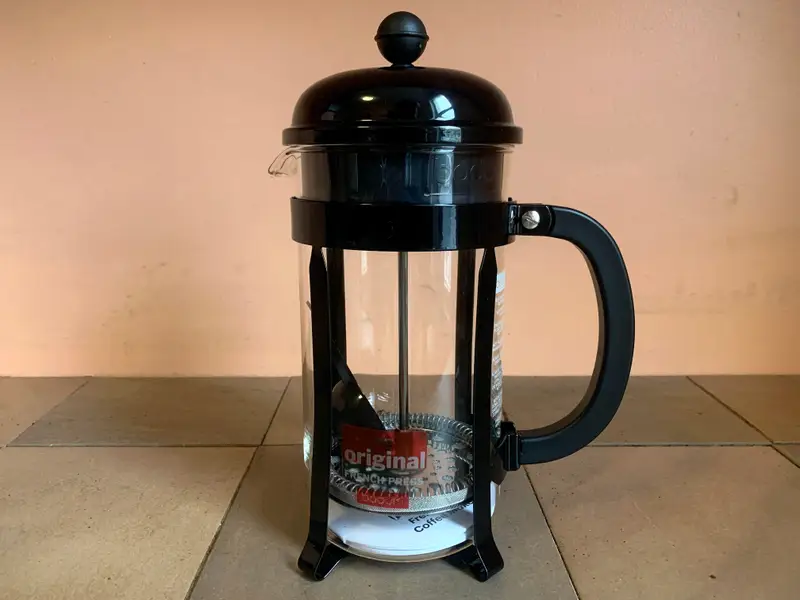
A Brief History of the French Press
The French press, or cafetière, boasts a history as rich as the coffee it brews. While often associated with France, its origins are a bit murky, with patents filed by various individuals across different countries in the late 19th and early 20th centuries. The design we largely recognize today, featuring a cylindrical carafe, a plunger, and a built-in filter screen, was perfected by Italian designer Attilio Calimani in 1929 and later popularized by Faliero Bondanini and the French company Melior in the 1950s. Since then, it has evolved from a simple kitchen tool to a beloved brewing method worldwide, celebrated for its ability to extract deep, complex flavors without the need for paper filters.
Why Opt for a Small French Press?
Choosing a compact French press isn’t just about size; it’s about embracing a lifestyle of convenience without sacrificing quality. Here’s why these smaller versions are gaining immense popularity:
- Portability for the Adventurous Soul: The most obvious advantage is their travel-friendly nature. A small French press easily tucks into a backpack, suitcase, or even a large purse, making it ideal for camping, hiking, road trips, or international adventures. Imagine waking up to a fresh, robust brew at your campsite – that’s the freedom a small French press offers.
- Single-Serve Perfection: For those who live alone or prefer just one perfect cup, a small French press eliminates waste and ensures every brew is fresh. You control the exact amount, ensuring no coffee goes stale or cold.
- Flavor Control and Richness: French presses are renowned for producing a full-bodied coffee with all its natural oils and sediment, contributing to a rich, nuanced flavor profile. Smaller presses maintain this quality, often allowing for an even more focused extraction of flavors due to their concentrated brew environment.
- Space-Saving Design: If kitchen counter space is a luxury, a small French press is a minimalist’s dream. It takes up minimal room, making it perfect for dorms, small apartments, or offices.
- Eco-Friendly Choice: Many small French presses are made from durable materials like stainless steel or borosilicate glass, designed for longevity. Without the need for disposable paper filters or pods, they significantly reduce waste, aligning perfectly with a sustainable lifestyle.
Key Components and How to Choose Your Small French Press
When you’re on the hunt for the best small French press, understanding its components and what to look for will ensure you make a choice that perfectly fits your brewing needs.
Materials Matter
Small French presses typically come in a few core materials, each with its own advantages:
- Glass (Borosilicate): Often praised for its clear view of the brewing process and its inert nature, which means it won’t impart any flavors to your coffee. Borosilicate glass is more resistant to thermal shock than regular glass, but still requires careful handling.
- Stainless Steel: The champion of durability and heat retention. Stainless steel French presses are virtually unbreakable, making them excellent for travel and outdoor use. They also keep your coffee hotter for longer, which can be a huge plus. Some models are double-walled for even better insulation.
- Ceramic: Less common but offers aesthetic appeal and good heat retention. Ceramic models are typically heavier and more fragile than stainless steel, making them better suited for home use.
Capacity: Finding Your Perfect Pour
Small French presses typically range from 12 oz (around 350ml) to 20 oz (around 600ml).
- 12 oz (3-cup): Ideal for a single, generous mug of coffee. Perfect for personal use, travel, or a quick desk brew.
- 16-20 oz (4-5 cup): Great for two moderate servings or a larger single serving. These still maintain a compact footprint but offer a bit more flexibility.
Consider how much coffee you typically drink in one sitting or how many people you usually brew for when choosing the capacity.
Filter Quality and Plunger Mechanism
The filter is crucial for a clean cup. Look for a fine-mesh filter, often made of stainless steel, that fits snugly against the carafe walls to minimize sediment. Some advanced models feature a double-filter system for an even cleaner brew. The plunger should operate smoothly and create a good seal.
Durability and Design
Especially for travel, a robust design is paramount. Look for presses with sturdy handles, secure lids, and high-quality construction. Beyond functionality, aesthetics can play a role. Many small French presses come in sleek, modern designs that are a joy to use and display.
“A good small French press isn’t just about making coffee; it’s about making it anywhere with the same quality you’d expect from your kitchen,” says Clara Jensen, a veteran barista and coffee gear reviewer. “Prioritize durability for travel and heat retention if you like to savor your brew.”
Brewing the Perfect Cup with Your Small French Press: A Step-by-Step Guide
Mastering the art of French press coffee is surprisingly simple, and a small French press is no exception. Follow these steps for an exquisite brew every time:
- Heat Your Water: Bring fresh, filtered water to just off the boil, ideally between 195°F and 205°F (90°C to 96°C). Avoid boiling water directly, as it can scorch the coffee.
- Pre-heat (Optional but Recommended): Pour a small amount of hot water into your French press carafe, swirl it around, and then discard. This helps maintain the brewing temperature.
- Grind Your Beans: This is perhaps the most critical step. For a French press, you need a coarse, even grind. It should resemble sea salt or breadcrumbs. Too fine, and you’ll get a sludgy cup; too coarse, and your coffee will be weak.
- Add Your Coffee Grounds: For a strong, balanced cup, a general rule of thumb is a 1:15 ratio of coffee to water. For a 12 oz (350ml) press, this means about 23-25 grams (2-3 tablespoons) of coffee. Adjust to your taste.
- Pour and Bloom: Pour about half of your hot water over the grounds, just enough to saturate them. Let it “bloom” for 30 seconds. This allows the coffee to release gases and develop flavor.
- Add Remaining Water: Pour in the rest of the hot water, ensuring all grounds are submerged.
- Stir Gently (Optional): Give the coffee a very gentle stir with a non-metal utensil to ensure all grounds are saturated and to break up any crust forming on top.
- Steep: Place the lid on the French press, with the plunger pulled all the way up. Let the coffee steep for 4 minutes. If you prefer a stronger brew, you can go up to 5 minutes; for a lighter cup, try 3 minutes.
- Plunge Slowly and Steadily: After steeping, slowly and evenly press the plunger down. This should take about 20-30 seconds. Avoid plunging too fast, as this can agitate the grounds and force sediment into your cup.
- Serve Immediately: Pour all the coffee from the French press into your mug right away. Leaving coffee in the press will continue the extraction process, leading to bitterness. Enjoy your perfectly brewed cup!
Tips and Tricks to Elevate Your Small French Press Experience
Beyond the basic steps, a few expert tips can truly transform your small French press ritual into an art form.
- Water Quality is Key: Just like with any coffee brewing, the quality of your water significantly impacts the taste. Use filtered water to avoid chlorine or mineral tastes.
- Freshly Ground is Best: Invest in a good burr grinder. Grinding your beans just before brewing makes an enormous difference in freshness and flavor. Pre-ground coffee loses its aroma and vibrancy quickly.
- Experiment with Ratios: The 1:15 coffee-to-water ratio is a starting point. Don’t be afraid to try 1:12 for a bolder cup or 1:18 for something lighter. Your personal preference is the ultimate guide.
- Consider the Bloom: That initial pour and 30-second wait isn’t just for show. It helps degas the coffee, ensuring a more even extraction and a fuller flavor. Don’t skip it!
- Avoid Over-Steeping: While some prefer a longer steep, going too long can extract bitter compounds. Stick to the 3-5 minute range as a general guideline.
- The Gentle Press: A slow, consistent plunge prevents grounds from sneaking past the filter and minimizes agitation, resulting in a cleaner, smoother cup.
- Pre-Warm Your Mug: Just as you pre-heat the press, warming your mug will keep your coffee hot for longer, allowing you to savor every sip.
Caring for Your Small French Press: Cleaning and Maintenance
Proper cleaning ensures your small French press lasts for years and consistently delivers great-tasting coffee.
- Discard Grounds: Once you’ve served your coffee, gently scoop out the spent grounds into a compost bin or trash. Avoid rinsing grounds down the drain, as they can cause clogs.
- Rinse Thoroughly: Disassemble the plunger and mesh filter. Rinse all parts under warm water.
- Soap and Scrub: Use a mild dish soap and a sponge or soft brush to clean the carafe, plunger, and filter assembly. Pay special attention to the mesh filter, as coffee oils can build up there.
- Deep Clean (Weekly/Bi-Weekly): For a more thorough cleaning, especially if you notice coffee oil residue, you can soak the plunger and filter in a mixture of warm water and a little baking soda or white vinegar.
- Dry Completely: Ensure all parts are thoroughly dry before reassembling or storing to prevent mildew or odors. Many stainless steel French presses are dishwasher safe, but always check the manufacturer’s instructions for glass models.
Beyond Coffee: Creative Uses for Your Small French Press
Your small French press is more versatile than you might think! It’s not just for coffee; it can be a handy tool for various kitchen tasks.
- Brewing Loose Leaf Tea: The French press is an excellent vessel for steeping loose leaf tea. Just follow the same principles: add tea leaves, hot water, steep for the recommended time, and plunge.
- Making Cold Brew Coffee: For a smooth, low-acid cold brew, combine coarse-ground coffee with cold filtered water in your French press. Steep in the refrigerator for 12-24 hours, then plunge.
- Frothing Milk: Believe it or not, a French press can create beautiful frothed milk for lattes and cappuccinos. Heat milk on the stovetop or microwave, pour it into the French press (don’t fill more than halfway), and rapidly pump the plunger up and down until the milk is frothy.
- Infusing Oils or Spirits: You can use your French press to infuse olive oil with herbs or spirits with spices, creating custom ingredients for cooking or cocktails.
Frequently Asked Questions
What is the ideal grind size for a small French press?
The ideal grind size for a small French press is coarse, similar to sea salt or breadcrumbs. This prevents grounds from slipping through the filter and avoids over-extraction, which can lead to a bitter, sludgy cup.
How much coffee should I use for a single serving in a small French press?
For a single, generous serving (around 12 oz or 350ml), you should use approximately 23-25 grams of coarsely ground coffee, which is roughly 2 to 3 tablespoons, depending on your preferred strength.
Can I use a small French press for cold brew?
Yes, a small French press is excellent for making cold brew. Simply combine coarse-ground coffee and cold water, let it steep in the refrigerator for 12-24 hours, and then plunge. This method yields a smooth, less acidic coffee concentrate.
How often should I clean my French press?
You should rinse and lightly clean your French press after every use to prevent coffee oils from building up. A more thorough deep clean with soap and water, paying attention to the mesh filter, is recommended at least once a week or every few uses.
Are stainless steel French presses better than glass?
Neither is inherently “better”; it depends on your priorities. Stainless steel French presses are more durable, making them ideal for travel and outdoor use, and they retain heat exceptionally well. Glass French presses offer visual appeal and are inert, ensuring no flavor transfer, but they are more fragile.
The Journey to Your Perfect Portable Brew
Embracing the best small French press isn’t just about brewing coffee; it’s about refining your coffee ritual, making it more personal, portable, and planet-friendly. These compact devices offer the same rich, full-bodied experience as their larger counterparts, perfectly scaled for individual enjoyment or on-the-go adventures. From the careful selection of your beans and the precise grind to the mindful plunge, every step contributes to a moment of pure coffee bliss. So, go ahead, experiment with different coffees, fine-tune your technique, and discover the unparalleled joy of a perfectly brewed cup, wherever life takes you. Your journey to exceptional portable coffee starts now!