There’s a special kind of magic that happens when hot water meets coarsely ground coffee in a French press. It’s a brewing method cherished by coffee aficionados for its ability to produce an intensely flavorful, full-bodied cup that’s rich in aroma and depth. If you’re looking to elevate your daily coffee ritual or simply discover why so many people swear by this classic device, you’ve come to the right place. We’ll dive deep into what makes a French press truly exceptional, helping you navigate the options to find your perfect brewing companion.
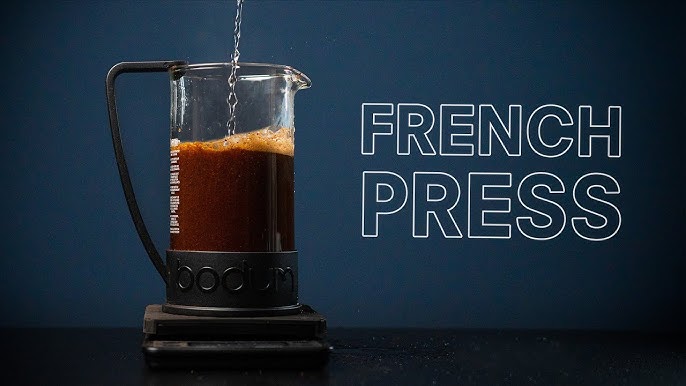
The Enduring Allure: History and Origins of the French Press
While its exact origins are a bit murky, the French press, or “cafetière,” as it’s known in some parts, began to take recognizable form in France during the mid-19th century. Early designs featured a metal screen pushed down by a rod to separate grounds from liquid. The modern version we recognize today, with its familiar cylindrical beaker and plunger, was patented by an Italian designer named Attilio Calimani in 1929 and later refined by Faliero Bondanini in 1958. Its journey from a simple kitchen tool to a global icon in coffee brewing speaks volumes about its effectiveness and charm.
Why Embrace the French Press? Unpacking its Unique Benefits
So, what makes the French press stand out in a world full of brewing gadgets? It’s all about the experience and the resulting cup.
First off, it delivers an unparalleled flavor profile. Unlike drip coffee makers that use paper filters, the French press employs a metal mesh filter. This allows more of the coffee’s natural oils and fine sediments to pass into your cup, resulting in a rich, robust, and often velvety texture that many describe as “full-bodied.” This isn’t just a cup of coffee; it’s a sensory journey.
Secondly, the French press offers incredible control over the brewing process. You dictate the water temperature, the coffee-to-water ratio, and the steeping time. This hands-on approach allows for endless experimentation to perfectly match your taste preferences, turning you into a true home barista.
Lastly, it’s remarkably simple and often affordable. With no electricity required (beyond heating water), it’s a straightforward device that can brew excellent coffee anywhere, from your kitchen counter to a remote campsite. Plus, with a wide range of models available, you can find a quality French press to fit nearly any budget.
Understanding the Anatomy of a French Press
To truly appreciate a French press, it helps to know its key components and what role they play in your brew.
- The Carafe: This is the main container where coffee steeps. It can be made from various materials, each offering distinct advantages.
- The Plunger and Filter: The heart of the French press, this assembly consists of a rod, a lid, and typically a fine mesh screen (or sometimes multiple screens) that pushes the grounds to the bottom and holds them there, separating them from the brewed coffee.
- The Lid: Seals the carafe, helping to retain heat during steeping, and often features a spout for pouring.
- The Handle and Frame: Provides a secure grip and supports the carafe, making it easy to pour.
Factors to Consider When Choosing Your Best Rated French Press
When searching for the Best Rated French Press, it’s not just about a brand name; it’s about finding the right fit for your lifestyle and brewing preferences.
Material Matters: Durability, Heat Retention, and Aesthetic
The material of your French press carafe profoundly impacts its performance and longevity.
- Glass French Presses: Classic and elegant, glass carafes like the Bodum Chambord allow you to visually appreciate the brewing process. However, they are more fragile and tend to lose heat faster than other materials. Brands like Bodum Brazil offer a more budget-friendly glass option.
- Stainless Steel French Presses: These are champions of durability and heat retention. Models like the Frieling Double Wall French Press, Hydro Flask French Press, and Espro P7 are known for their robust construction, often featuring double-wall insulation to keep coffee hot for longer periods. They are virtually unbreakable, making them ideal for everyday use or even travel.
- Ceramic French Presses: Combining durability with aesthetic appeal, ceramic presses retain heat well and have a pleasing weight. While less common, a Le Creuset Stoneware French Press can be a beautiful addition to any kitchen.
Size for Your Needs: Capacity That Counts
French presses come in various sizes, typically measured in ounces or cups. Consider how much coffee you usually brew at once:
- Solo Brews (12-17 oz): Perfect for individuals who savor a single, fresh cup.
- Couples or Small Households (20-27 oz): Ideal for 2-3 cups, striking a balance between freshness and convenience.
- Family Size or Entertaining (34-51+ oz): Great for serving multiple people or when you need a larger batch, such as the Stanley Classic Stay-Hot French Press.
Remember, French press coffee tastes best when consumed fresh, so if you’re a solo drinker, a large press might lead to leftover, over-extracted coffee.
Filtration System Precision: Minimizing Sediment
While some sediment is characteristic of French press coffee, a quality filtration system can significantly reduce it. Look for finely woven mesh filters that create a tight seal against the carafe walls. The Espro P7, for instance, is highly regarded for its ultra-fine double filter that aims to deliver a remarkably sediment-free cup, almost akin to drip coffee. However, some argue this also filters out some of the characteristic body.
Ease of Cleaning and Maintenance: A Daily Convenience
No one wants a complicated cleanup after their morning brew. Many modern French presses are designed for easy disassembly and cleaning. Some models are even dishwasher safe. Consider if the filter is easily removable and if the carafe material resists staining and odor retention. Stainless steel presses, like the Hydro Flask, are often praised for their easy-to-clean interiors.
Design and Aesthetics: Matching Your Kitchen Vibe
From the timeless elegance of the Bodum Chambord to the modern, minimalist lines of the Fellow Clara French Press, design plays a role. Choose a French press that not only performs well but also complements your kitchen décor and makes you happy to leave it on the counter.
Price and Value: Investing in Your Coffee Journey
French presses range from budget-friendly options to premium investments. While a higher price often correlates with better materials and advanced features, excellent value can be found across the spectrum. The Bodum Brazil offers solid performance at an entry-level price, while a Frieling or Espro P7 represents a splurge for those seeking top-tier durability and brew quality. Consider longevity and how much you value specific features when making your decision.
Top Contenders: A Look at the Best Rated French Presses
Based on rigorous testing and user reviews, several French presses consistently rise to the top, each excelling in different areas.
For overall excellence and durability, the Frieling Double Wall French Press is a perennial favorite. Its all-stainless steel construction ensures longevity and keeps your coffee warm, delivering a clean, well-extracted brew. Similarly, the Hydro Flask 32-Ounce French Press receives high marks for its robust build, excellent heat retention, and ability to produce flavorful, sediment-free coffee. If you prioritize absolute ruggedness and good thermal performance, the YETI French Press Coffee Maker is another strong contender.
If a classic look and reliable performance are what you seek, the Bodum Chambord French Press remains an iconic choice. Its glass carafe offers a beautiful brewing view, and its three-part filter consistently delivers a strong, balanced cup. For those on a tighter budget, the Bodum Brazil French Press provides similar brewing quality to the Chambord at a significantly lower price point, making it a fantastic value option.
For minimal sediment and a refined cup, the Espro P7 and its more affordable glass counterpart, the Espro P3, are hard to beat. Their unique double-filtration system is designed to keep even the finest grounds out of your mug, offering a cleaner taste profile that some prefer.
The Fellow Clara French Press often earns accolades for its superior design and user experience, combining elegant aesthetics with smart features for an exceptional brew. And for truly budget-conscious but effective brewing, the Coffee Gator French Press is a solid choice that performs surprisingly well for its price.
|
Our Picks for the Best French Press in 2026
As an Amazon Associate I earn from qualifying purchases.
|
||
| Num | Product | Action |
|---|---|---|
| 1 | Bodum 12oz Chambord French Press Coffee Maker, High-Heat Borosilicate Glass, Polished Stainless Steel – Made in Portugal |

|
| 2 | Amazon Basics French Coffee Press, 34 oz., Borosilicate Glass, BPA-Free, Removable Dishwasher-Safe Parts |
|
| 3 | Veken French Press Coffee Maker 34oz,No Plastic Touching Cafe,Thickened Borosilicate Glass Stainless Steel Brewer,Cold Brew Cafetera Teapot for Kitchen Travel Camping,Gifts,Bar Accessories,Dark Pewter |
|
| 4 | French Press 34 oz, Full Stainless Steel French Press Coffee Maker 4 Cups, Upgrated Double-Walled Insulated French Coffee Presses, Food Grade Good for Kitchen Camping, Dishwasher Safe 2 More Filters |
|
| 5 | Bodum 34oz Chambord French Press Coffee Maker, High-Heat Borosilicate Glass, Polished Stainless Steel – Made in Portugal |
|
| 6 | Utopia Kitchen 304 Grade Stainless Steel French Press Coffee Maker 34 Oz, Double Wall Insulated Coffee Press with 4-Level Filtration System, Include 2 Extra Filters, Rust-Free, Dishwasher Safe, Silver |
|
| 7 | Bodum 34oz Chambord French Press Coffee Maker, High-Heat Borosilicate Glass, Stainless Steel, Black – Made in Portugal |
|
| 8 | Utopia Kitchen Borosilicate Glass French Press Coffee Maker 34 oz, Heat-Resistant Cafetiere & Tea Maker, Thickened Glass Coffee Press for Travel and Camping, Black |
|
| 9 | Bodum 34oz Chambord French Press Coffee Maker, High-Heat Borosilicate Glass, Stainless Steel, Copper – Made in Portugal |
|
| 10 | Utopia Kitchen 304 Grade Stainless Steel French Press Coffee Maker 34 Oz, Double Wall Insulated Coffee Press with 4-Level Filtration system, Include 2 Extra Filters, Rust-Free, Dishwasher Safe, Black |
|
Mastering the Art: A Step-by-Step Guide to the Perfect French Press Coffee
Even with the best rated French press, technique is key. Follow these steps to unlock the full potential of your brew:
Choose Quality Beans & Grind Coarsely
Start with fresh, high-quality coffee beans. For French press, a coarse, consistent grind is crucial—think sea salt or breadcrumbs. Too fine, and you’ll get muddy coffee and difficulty plunging; too coarse, and your coffee will be weak. Invest in a good burr grinder for the best results.
Optimal Water Temperature
Heat your water to 195-205°F (90-96°C), which is just off a rolling boil. Water that’s too hot can scorch the coffee and extract bitter compounds, while water that’s too cool won’t extract enough flavor.
The Golden Ratio (Coffee to Water)
A commonly recommended starting point is a 1:15 to 1:20 coffee-to-water ratio. This means for every 1 gram of coffee, use 15 to 20 grams of water. For example, if you’re using 30 grams of coffee, you’d use 450-600 ml of water. Using a kitchen scale for precision will drastically improve consistency.
The Bloom and Steep
- Preheat: Pour some hot water into your empty French press, swirl it around, and then discard it. This keeps your coffee hotter longer.
- Add Grounds: Place your coarsely ground coffee into the preheated carafe.
- Pour Water & Bloom: Pour about half of your hot water over the grounds, just enough to saturate them. Give it a gentle stir. This “blooming” phase allows gases to escape, preparing the coffee for optimal extraction. Wait about 30 seconds.
- Complete Pour & Steep: Pour the remaining water, then carefully place the plunger on top, ensuring the filter sits just above the water line (don’t plunge yet!). Let the coffee steep for 3 to 5 minutes. Four minutes is often considered the sweet spot for a balanced brew.
The Gentle Plunge
After steeping, slowly and steadily press the plunger down, using even pressure. Resist the urge to rush this step; a slow plunge helps ensure proper filtration and prevents grounds from sneaking into your cup.
Serve Immediately
Once plunged, pour all the coffee into your mug or a separate insulated carafe. Leaving coffee in the French press with the grounds will lead to over-extraction and a bitter taste.
Tips and Tricks to Elevate Your French Press Experience
Even seasoned French press users have little secrets to make their brew even better.
- Freshly Ground Beans are Key: This cannot be stressed enough. Coffee starts losing its flavor minutes after being ground. Grinding right before brewing makes a monumental difference.
- Experiment with Steep Times: While 4 minutes is a good starting point, adjust it to your liking. A shorter steep for a lighter brew, a longer one for more intensity.
- Understanding Water Quality: Filtered water free from strong odors or tastes will allow your coffee’s true flavors to shine. Tap water with high mineral content can negatively impact taste.
- Don’t Overfill: Leave enough space between the coffee and the spout to avoid spills when plunging and pouring.
- Avoid Over-Extraction: As mentioned, pour out all the coffee immediately after plunging. Continuous contact with grounds leads to bitterness.
Cleaning and Maintaining Your French Press for Longevity
Proper care ensures your French press continues to deliver delicious coffee for years to come.
- Daily Rinse: After each use, empty the grounds (composting them is a great option!), then rinse the carafe and plunger thoroughly with warm water.
- Deep Cleaning the Filter: Regularly disassemble the plunger and clean the mesh filter with a mild soap and a brush to remove trapped coffee oils and fine particles, which can become rancid and affect flavor.
- Storage Tips: Store your French press clean and dry. For glass models, store them where they won’t easily tip or break.
Beyond Coffee: Creative Uses for Your French Press
Your French press is surprisingly versatile!
- Cold Brew Concentrate: Use coarse grounds and cold water, steep for 12-24 hours in the refrigerator, then plunge. Dilute the concentrate with water or milk.
- Making Tea: Perfect for loose leaf tea! Simply add tea leaves and hot water, steep, then plunge.
- Frothing Milk: Heat milk, pour it into the press, and vigorously pump the plunger up and down until it’s frothy. A quick, manual way to make café-style drinks.
Frequently Asked Questions About French Presses
Q: Why is my French press coffee muddy or gritty?
A: This is usually due to coffee grounds that are too fine. Ensure you’re using a coarse, consistent grind. A high-quality mesh filter and a slow, steady plunge can also help.
Q: How long does French press coffee stay hot?
A: This depends heavily on the material. Glass presses lose heat quickly, usually within 15-30 minutes. Double-walled stainless steel presses, like the Frieling or YETI, can keep coffee hot for an hour or more.
Q: Can I use pre-ground coffee in a French press?
A: You can, but it’s often ground too finely for a French press, leading to a muddy cup. If you must use pre-ground, look for “coarse grind” specifically. Freshly ground beans are always recommended.
Q: What’s the ideal coffee-to-water ratio for a French press?
A: A great starting point is 1:15 (e.g., 1 gram of coffee to 15 grams of water). You can adjust it slightly to 1:12 for a stronger brew or 1:18 for a lighter one, depending on your preference.
Q: How often should I clean my French press?
A: A quick rinse after every use is essential. A thorough deep clean of the filter and carafe with soap should be done regularly, especially if you notice a build-up of coffee oils or a change in taste.
Unlock Your Perfect Cup
Choosing the best rated French press is a deeply personal journey, one that promises a delightful adventure into the world of rich, full-bodied coffee. Whether you prioritize the robust durability of stainless steel, the classic elegance of glass, or the innovative sediment-free design of a double-filtered model, there’s a perfect French press out there waiting for you. Don’t be afraid to experiment with different beans, grind sizes, and brew times. The beauty of the French press lies in its simplicity and the boundless possibilities it offers for crafting your ideal cup. So go ahead, plunge into the possibilities, and share your unique French press insights with the world!