Ah, the French Press. It’s more than just a coffee maker; it’s a time-honored ritual, a simple yet profound way to coax the deepest, most robust flavors from your beloved beans. If you’ve ever savored that rich, full-bodied cup, you know the magic. But to truly unlock its potential, you need to start with the Best Coffee For French Press. It’s like a chef choosing the perfect ingredients – the right coffee can transform your morning brew from good to absolutely glorious. Forget blandness or watery woes; the French Press thrives on a coffee that can stand up to its unique immersion brewing method, delivering a cup that’s bold, aromatic, and deeply satisfying.
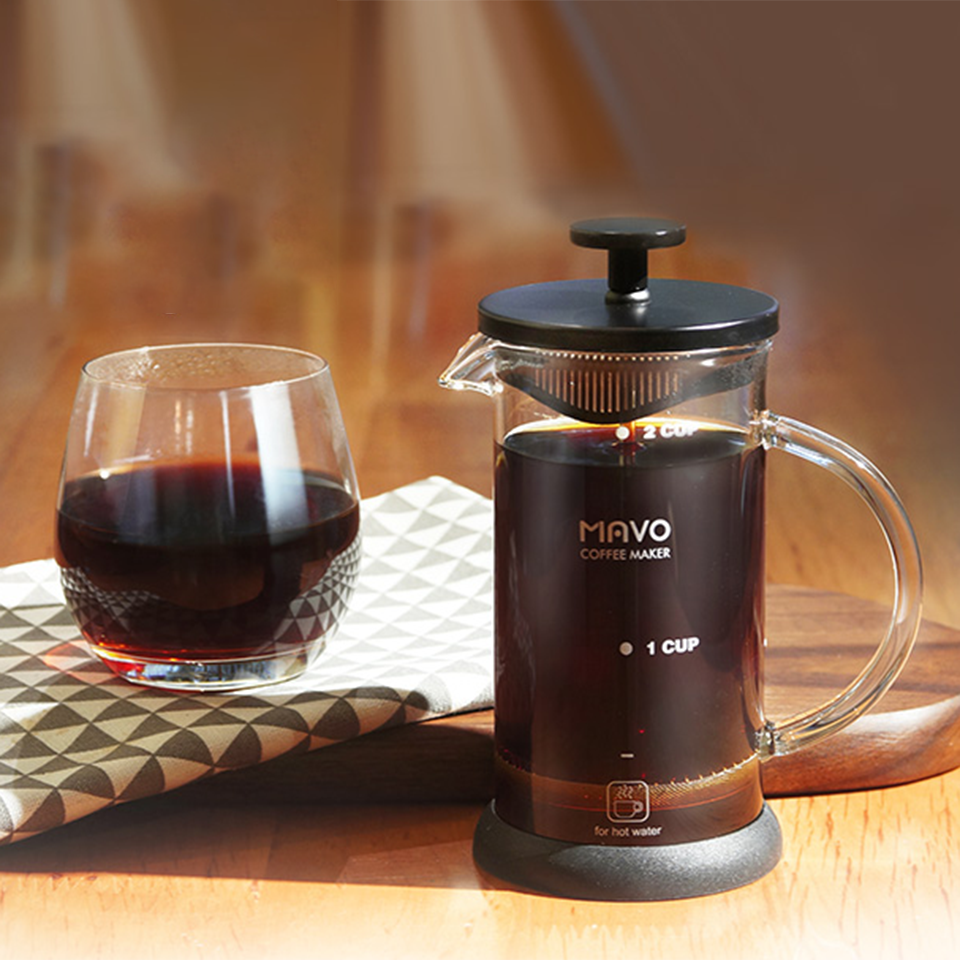
Understanding the French Press Advantage
The beauty of the French Press lies in its elegant simplicity. Unlike drip coffee machines that filter water through grounds, the French Press fully immerses coffee grounds in hot water, allowing for a complete extraction of oils and flavors.
How French Press Brewing Works
Imagine your coffee grounds taking a luxurious bath in hot water. That’s essentially what happens in a French Press. The grounds are fully submerged, steeping for several minutes before a plunger with a mesh filter separates the liquid from the solids. This full immersion ensures maximum contact between water and coffee, pulling out a rich tapestry of flavors and aromas.
What it Means for Your Coffee
Because there’s no paper filter, the French Press allows all the natural coffee oils and fine particulates to pass into your cup. This is key! It results in that signature full-bodied texture and luscious mouthfeel that French Press enthusiasts adore. It means your coffee isn’t stripped of its character; instead, it celebrates the bean’s inherent richness, leading to a bolder, more robust flavor profile compared to other brewing methods.
Key Factors in Choosing the Best Coffee for Your French Press
Selecting the perfect coffee isn’t rocket science, but understanding a few crucial elements can significantly elevate your French Press experience. These factors work together to create that ideal brew.
Roast Level: The Spectrum of Flavor
The roast level profoundly impacts the coffee’s flavor and how it performs in a French Press.
- Medium Roasts: Often a sweet spot for French Press, medium roasts offer a fantastic balance. They highlight the coffee’s origin characteristics – think fruity notes, nutty undertones, or chocolatey nuances – without being overly acidic or bitter. They provide a beautiful sweetness and a pleasant body that shines through the immersion method.
- Dark Roasts: If you crave a bold, intense cup, dark roasts are your go-to. Their lower acidity and prominent notes of chocolate, caramel, and sometimes a smoky finish truly flourish in a French Press. The method enhances their inherent richness and full body, making for a truly satisfying, robust experience.
- Light Roasts: While some experienced coffee connoisseurs enjoy light roasts in a French Press for their vibrant acidity and delicate floral notes, they can sometimes taste a bit “thin” for those accustomed to the French Press’s typical heft. However, for a unique and bright cup, don’t shy away from experimenting once you’ve mastered the basics.
Grind Size: Coarse is King
This is perhaps the single most critical factor for French Press success. You absolutely need a coarse grind.
Why coarse? Because a fine grind, like espresso or drip coffee, will lead to over-extraction, resulting in a bitter, astringent cup. It will also sneak through the French Press filter, leaving you with an unpleasantly muddy, silty brew. A coarse grind, resembling sea salt or breadcrumbs, allows for even extraction during the longer steeping time and minimizes sediment, ensuring a cleaner, more enjoyable cup.
Freshness: The Cornerstone of Great Coffee
Freshness isn’t just a buzzword in the coffee world; it’s essential. Coffee beans start to lose their aromatic compounds and flavor notes shortly after roasting.
- Whole Beans vs. Pre-ground: For the absolute best French Press coffee, always opt for whole beans and grind them just before brewing. This preserves the delicate flavors and aromas that are quickly lost in pre-ground coffee. If you must use pre-ground, ensure it’s specifically labeled for French Press and used as quickly as possible after opening.
- Storage: Keep your beans in an airtight container, away from light, heat, and moisture, to extend their freshness.
Origin and Flavor Profiles: A World of Choices
Different coffee origins offer distinct flavor profiles that react beautifully to French Press brewing.
- Latin American Coffees (e.g., Brazil, Colombia): These often feature balanced acidity, chocolatey, nutty, and sometimes caramel notes, making them incredibly versatile and consistently excellent for French Press. Their inherent body is amplified by the brewing method.
- African Coffees (e.g., Ethiopia, Kenya): Known for their brighter acidity, fruity, and floral notes. While sometimes perceived as lighter, a medium-dark roast from these regions can still deliver a complex and vibrant French Press cup.
- Asian Coffees (e.g., Sumatra, Vietnam): Often characterized by earthy, bold, and sometimes spicy or woody notes with a heavy body. These coffees are superstars in a French Press, as their robust flavors are perfectly showcased.
Single Origin vs. Blends: What’s Your Preference?
- Single Origin: If you want to explore the unique characteristics of a specific region or farm, single-origin beans are fantastic. The French Press really highlights their individual terroir.
- Blends: Coffee roasters expertly craft blends to achieve a specific flavor profile and balance. Many blends are designed to be full-bodied and well-rounded, making them excellent choices for French Press, offering consistency and complexity.
Expert Recommendations: Coffees That Shine in a French Press
“For French Press, I always steer people towards a coffee that has some natural oomph – a good medium to dark roast, perhaps something with chocolate or nutty undertones from South America, or a wonderfully earthy Sumatran bean. The immersion really lets those characteristics sing.” – Elara Vance, Master Roaster at Aurora Coffee Co.
Considering the French Press’s strengths, certain coffee characteristics consistently deliver outstanding results:
- Brazilian Coffees: Often known for their smooth, low-acidity profile with notes of chocolate and nuts, they create a wonderfully creamy and full-bodied French Press.
- Colombian Supremo/Excelso: These beans typically offer a well-balanced cup with mild acidity, a medium body, and notes of caramel and fruit, providing a consistently delightful French Press experience.
- Sumatran Mandheling or Lintong: For those who love a bold, earthy, and complex cup with a heavy body, Sumatran coffees are exceptional in a French Press. They often have notes of dark chocolate and sometimes a touch of spice.
- Italian Roast Blends: Many traditional Italian-style blends, typically dark roasted, are formulated for richness and boldness, making them naturally suited for the French Press method. They’ll deliver that classic, strong coffee flavor.
When you’re out buying coffee, look for descriptions that mention “full body,” “low acidity,” “rich,” “chocolatey,” or “nutty.” These are usually great indicators that you’ve found a superb candidate for your French Press.
Beyond Beans: Elevating Your French Press Experience
While the best coffee for French Press is paramount, other factors contribute significantly to that perfect cup. Don’t overlook these details!
Water Quality and Temperature
Just as crucial as the coffee itself is the water. Use filtered water to avoid any off-flavors from chlorine or mineral impurities. The ideal water temperature is between 195-205°F (90-96°C), just off the boil. Water that’s too hot can scorch the coffee, leading to bitterness, while water that’s too cool won’t extract enough flavor.
Brewing Ratios and Steep Time
A good starting point for your coffee-to-water ratio is 1:15, meaning for every 1 gram of coffee, use 15 grams of water. This is roughly 1 heaping tablespoon of coarse-ground coffee for every 4 ounces of water. As for steep time, 4 minutes is a widely accepted standard. However, you can adjust this to your taste – longer for a stronger brew, shorter for a lighter one. Just be careful not to over-extract.
Pre-infusion/Blooming
Consider a “bloom” or pre-infusion. After adding your coarse grounds to the French Press, pour just enough hot water to saturate them. Stir gently, then let it sit for 30 seconds. This allows the coffee to “de-gas,” releasing carbon dioxide and preparing the grounds for a more even extraction. Then, pour the remaining water and steep as usual.
French Press Coffee FAQs
Can I use pre-ground coffee in a French Press?
While fresh whole beans ground just before brewing are always recommended for the best flavor, you can use pre-ground coffee. Just make sure it’s a coarse grind specifically for French Press to avoid excessive sediment and bitterness.
What is the ideal water temperature for French Press?
The sweet spot for French Press water temperature is between 195-205°F (90-96°C), which is typically about 30-60 seconds after boiling, ensuring optimal flavor extraction without scorching the grounds.
How long should I steep French Press coffee?
A standard steep time for French Press coffee is 4 minutes. This provides a balanced extraction. You can adjust it slightly to 3-5 minutes based on your preference for strength and flavor intensity.
Why does my French Press coffee taste bitter?
Bitterness in French Press coffee often indicates over-extraction, which can be caused by a grind that’s too fine, water that’s too hot, or steeping the coffee for too long. Adjusting these variables can help.
Is French Press coffee stronger than drip?
French Press coffee generally tastes stronger and has a fuller body than drip coffee because its immersion brewing method allows for more oils and fine particulates to remain in the final cup, resulting in a richer, more concentrated flavor.
Final Thoughts on Your French Press Journey
Choosing the best coffee for French Press is about understanding how this unique brewing method works and selecting beans that complement its strengths. Embrace medium to dark roasts for their richness and body, always prioritize a coarse grind, and never underestimate the power of fresh, whole beans. The French Press invites you to be an active participant in your coffee creation, offering a rewarding experience where you can truly taste the nuances of your chosen brew. So go ahead, experiment with different origins, roasts, and grind settings. Discover your personal favorite and share the joy of a perfectly crafted French Press coffee with the world. Your journey to the ultimate cup begins with the right coffee for French Press.