There’s a certain magic that happens when you press down the plunger of a French press, transforming simple coffee grounds and hot water into a rich, aromatic brew. For many coffee aficionados, the French press offers a deeply satisfying ritual and a truly exceptional cup of coffee, full of robust flavors and a luxurious mouthfeel. But achieving that perfect french press cup isn’t just about the brewing process; it starts with choosing the right device and culminates in selecting the ideal drinking vessel. Let’s dive into the world of French press coffee, exploring every aspect from its storied past to the nuanced details that ensure every sip is a delight.
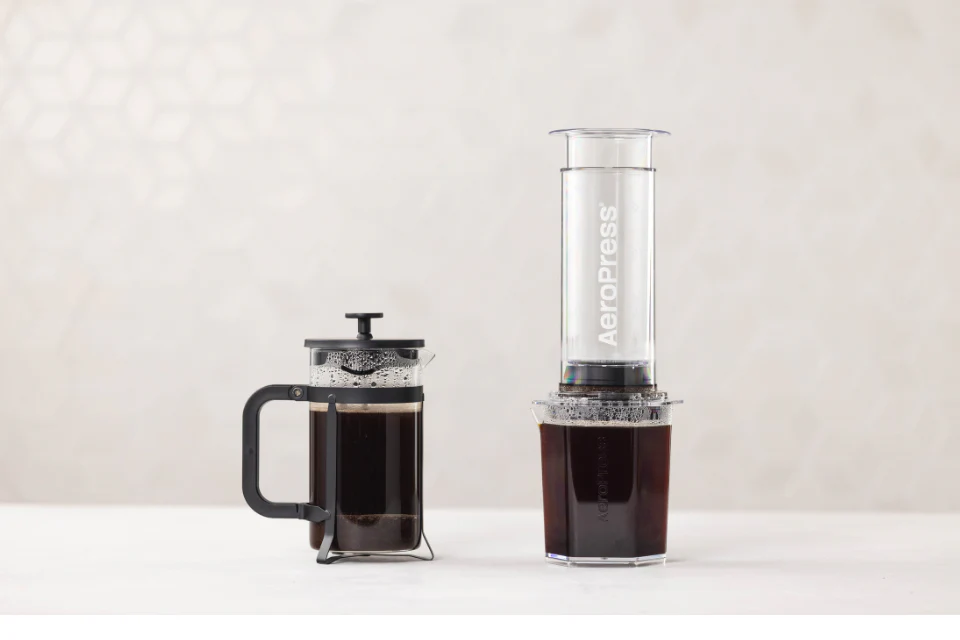
The Enduring Legacy of the French Press: A Brief History
The story of the French press, often affectionately called a “cafetière” or “plunger pot,” is as rich as the coffee it produces. While often associated with France, its origins are a fascinating blend of European ingenuity. Early patents emerged in the 19th century, but the modern design we recognize today was refined and patented by Italians Attilio Calimani and Giulio Moneta in 1929. Its genius lies in its simplicity: a cylindrical carafe, a plunger, and a mesh filter. This straightforward design, allowing for full immersion of coffee grounds in hot water, quickly gained popularity for its ability to extract a bold, flavorful, and full-bodied brew that sets it apart from other methods.
Beyond the Buzz: Why Choose a French Press?
In an era of high-tech coffee gadgets, the French press remains a timeless classic for compelling reasons. It offers a unique coffee experience that many find superior to other brewing methods.
First, the French press delivers a full-bodied coffee with a rich, complex flavor profile. Unlike drip machines that use paper filters, the French press’s mesh filter allows beneficial coffee oils and fine sediment to pass through. These oils contribute significantly to the coffee’s aroma, depth, and creamy mouthfeel, creating a cup that feels more substantial and satisfying.
Its simplicity is another major draw. The immersion brewing method is incredibly forgiving, making it accessible even for beginners. There are no complicated electronics or disposable pods; just coffee, water, and a little patience. This hands-on approach connects you more intimately with the brewing process, transforming your morning routine into a mindful moment.
Furthermore, the French press is an eco-friendly choice. By eliminating the need for single-use paper filters or plastic pods, it significantly reduces waste, aligning with a more sustainable lifestyle. And let’s not forget affordability. A quality French press is a relatively inexpensive investment that promises years of exceptional coffee without the recurring costs of filters or specialized capsules.
Understanding Your French Press: Materials and Sizes
When it comes to selecting a French press, the material and size of the device itself play a crucial role in your overall brewing experience and the quality of your resulting french press cup.
The Anatomy of a French Press Cup (Carafe)
The carafe, or beaker, of your French press is where all the magic happens. Its material directly impacts heat retention, durability, and even the visual appeal of your brewing ritual.
- Glass French Presses: The classic choice, often made from heat-resistant borosilicate glass. Glass carafes offer an elegant, traditional look and allow you to visually appreciate the brewing process – watching the coffee “bloom” is part of the charm! However, glass is inherently more fragile and can chip or break if not handled with care. It also tends to lose heat faster than other materials, which can affect extraction if not managed properly.
- Stainless Steel French Presses: These are champions of durability and heat retention. Often featuring double-walled, insulated construction, stainless steel presses keep your coffee hot for significantly longer, ensuring a piping hot french press cup even if you linger over your breakfast. They are ideal for travel, camping, or busy households where breakage is a concern. The trade-off can be a higher price point, and some cheaper models might impart a subtle metallic taste, though this is rare with quality brands.
- Ceramic French Presses: Offering a beautiful aesthetic and good heat retention, ceramic presses are a stylish addition to any kitchen. They don’t absorb flavors, ensuring a pure taste, but like glass, they can be prone to chipping if dropped.
- Plastic French Presses: Lightweight and affordable, plastic French presses are often chosen for portability or as a budget-friendly entry point. While less prone to breaking than glass, they generally offer the poorest heat retention and, in some cases, can leach flavors or chemicals if not made from high-quality, BPA-free materials. Most enthusiasts recommend opting for glass or stainless steel for a superior french press cup.
Finding Your Perfect French Press Cup Size
French presses are typically measured in “cups,” but it’s important to understand that these often refer to 4-ounce servings, not your standard 8-ounce (or larger) coffee mug. To estimate how many actual mugs your French press will yield, a good rule of thumb is to divide the listed “cups” by two.
- For Solo Brewing: A 3-cup (0.35 liters) French press is perfect for one person, yielding about 1.5 average mugs of coffee. It’s ideal for a concentrated, fresh brew just for you.
- For Small Households: An 8-cup (1 liter) model is a versatile choice for couples or small families, providing enough for 3-4 standard mugs.
- For Larger Groups or Entertaining: If you frequently host guests or have a larger family of coffee lovers, a 12-cup (1.5 liters) French press will ensure everyone gets their fill, making about 6 standard mugs. “Don’t underestimate the joy of a bigger press,” advises Clara Beaumont, a renowned barista and coffee blogger. “Having enough for a second serving, or for unexpected guests, makes all the difference.”
|
Our Picks for the Best French Press in 2026
As an Amazon Associate I earn from qualifying purchases.
|
||
| Num | Product | Action |
|---|---|---|
| 1 | Amazon Basics French Coffee Press, 34 oz., Borosilicate Glass, BPA-Free, Removable Dishwasher-Safe Parts |

|
| 2 | Veken French Press Coffee Maker 34oz,No Plastic Touching Cafe,Thickened Borosilicate Glass Stainless Steel Brewer,Cold Brew Cafetera Teapot for Kitchen Travel Camping,Gifts,Bar Accessories,Dark Pewter |
|
| 3 | Bodum 12oz Chambord French Press Coffee Maker, High-Heat Borosilicate Glass, Polished Stainless Steel – Made in Portugal |
|
| 4 | Utopia Kitchen 304 Grade Stainless Steel French Press Coffee Maker 34 Oz, Double Wall Insulated Coffee Press with 4-Level Filtration System, Include 2 Extra Filters, Rust-Free, Dishwasher Safe, Silver |
|
| 5 | Bodum 34oz Chambord French Press Coffee Maker, High-Heat Borosilicate Glass, Stainless Steel, Black – Made in Portugal |
|
| 6 | Bodum 34oz Chambord French Press Coffee Maker, High-Heat Borosilicate Glass, Polished Stainless Steel – Made in Portugal |
|
| 7 | French Press 34 oz, Full Stainless Steel French Press Coffee Maker 4 Cups, Upgrated Double-Walled Insulated French Coffee Presses, Food Grade Good for Kitchen Camping, Dishwasher Safe 2 More Filters |
|
| 8 | Utopia Kitchen 304 Grade Stainless Steel French Press Coffee Maker 34 Oz, Double Wall Insulated Coffee Press with 4-Level Filtration system, Include 2 Extra Filters, Rust-Free, Dishwasher Safe, Black |
|
| 9 | Utopia Kitchen Borosilicate Glass French Press Coffee Maker 34 oz, Heat-Resistant Cafetiere & Tea Maker, Thickened Glass Coffee Press for Travel and Camping, Black |
|
| 10 | Bodum 34oz Chambord French Press Coffee Maker, High-Heat Borosilicate Glass, Stainless Steel, Copper – Made in Portugal |
|
Brewing Brilliance: Your Step-by-Step Guide to the Perfect French Press Cup
Mastering the French press is a journey of discovery, but with a few key steps, you can consistently brew an exceptional french press cup.
- Heat Your Water: Bring fresh, filtered water to a boil, then let it sit for 30-60 seconds (aiming for about 200°F or 93°C). Water that’s too hot can scorch the coffee, leading to bitterness, while water that’s too cool will under-extract.
- Preheat Your Press: Swirl a bit of hot water in your empty French press, then discard it. This keeps your carafe from drawing heat away from your brewing coffee, ensuring stable extraction temperatures.
- Measure Your Coffee: For a balanced brew, a general ratio is 1:15 coffee to water (e.g., 30 grams of coffee for 450 grams of water). For a stronger french press cup, you might go to 1:12, and for lighter, 1:17.
- Grind Coarsely: This is crucial. French press demands a coarse, even grind, similar to sea salt or coarse sand. Too fine, and you’ll get a muddy, over-extracted, bitter coffee with excessive sediment.
- Add Grounds and Bloom: Pour your freshly ground coffee into the preheated French press. Gently pour just enough hot water to saturate the grounds, typically about twice the weight of your coffee. Let it “bloom” for 30 seconds. This allows gases to escape, preparing the coffee for optimal extraction.
- Add Remaining Water and Stir: Slowly pour the rest of your hot water over the bloomed grounds. Give it a gentle stir (once or twice) to ensure all grounds are fully immersed.
- Steep: Place the lid on the French press, with the plunger resting just above the water line (do not press down yet). Let it steep for 4 minutes. Some prefer a shorter steep for a brighter french press cup or a longer one (up to 6 minutes) for more sweetness and body.
- Slowly Press: After steeping, slowly and steadily press the plunger all the way down. The key is to press gently and consistently, resisting the urge to push too hard, which can force fine particles through the filter and result in a gritty cup. Stop just before you compress the grounds fully.
- Pour Immediately: Once pressed, pour all the coffee out of the French press into your chosen drinking cup. Leaving coffee in the press will lead to over-extraction and an increasingly bitter taste.
Elevating Your Brew: French Press Tips and Tricks
Beyond the basic steps, a few expert tips can truly elevate your french press cup to gourmet levels.
- Fresh is Best: Always use freshly roasted, whole bean coffee. Coffee begins to lose its vibrant flavors within weeks of roasting. Grind your beans just before brewing to capture peak aroma and taste.
- Invest in a Burr Grinder: While a blade grinder can work in a pinch, a burr grinder provides a consistent, even grind size, which is vital for a clean and balanced French press. As coffee expert Dr. Samuel Green states, “An even grind is the bedrock of consistent extraction. Without it, you’re chasing an inconsistent flavor profile.”
- Water Quality Matters: Since your french press cup is over 98% water, the quality of your water significantly impacts the taste. Use filtered water free from chlorine or other off-flavors.
- Scale and Timer are Your Friends: For consistency, measure your coffee and water by weight using a digital scale, and use a timer for your steep. This removes guesswork and allows you to fine-tune your recipe.
- Don’t Over-Press: As mentioned, pressing too hard or too fast can disturb the sediment and lead to a cloudy, gritty cup. A slow, steady press is key.
Beyond the Brew: Cleaning and Care for Your French Press
Maintaining your French press isn’t just about hygiene; it’s about preserving the integrity of your next french press cup. Coffee oils can become rancid over time, imparting an unpleasant taste to subsequent brews.
After each use, discard the grounds (composting them is a great eco-friendly option!). Disassemble the plunger and mesh filter, and wash all parts with warm, soapy water. Use a soft brush to gently scrub the mesh filter, ensuring no coffee particles remain trapped. Rinse thoroughly and allow all components to dry completely before reassembling. Regular, thorough cleaning ensures that every french press cup tastes as fresh and vibrant as the first.
Unleash Your Creativity: French Press Variations and Beyond
The versatility of the French press extends far beyond just hot coffee. It’s a surprisingly flexible tool in your kitchen arsenal.
- Cold Brew Concentrate: The French press is fantastic for making cold brew. Simply add coarse-ground coffee and cold, filtered water, stir gently, and steep in the refrigerator for 12-24 hours. Plunge, and you have a smooth, low-acid cold brew concentrate perfect for diluting with water or milk.
- Brewing Tea: From delicate green teas to robust black teas, the French press offers a full immersion brewing method for your favorite loose-leaf teas. The plunger makes straining effortless.
- Infused Oils and Milks: Get creative! Use your French press to infuse oils with herbs or spices, or to make flavored milks for lattes and cooking. The plunging mechanism makes straining out solids incredibly easy. “The French press is a canvas for culinary creativity,” observes Chef Antoine Dubois. “From aromatic spice infusions to homemade nut milks, its full immersion and easy straining capabilities open up a world of possibilities beyond coffee.”
The Final Sip: Choosing the Right Drinking Cup for Your French Press Coffee
After meticulously brewing your french press cup, the vessel you choose to drink from can subtly yet significantly influence your enjoyment. It’s not just about aesthetics; the material and shape of your drinking cup affect temperature retention and how the coffee’s aromas and flavors are perceived.
- Material Matters:
- Ceramic: A classic choice, ceramic cups are excellent at retaining heat and provide a cozy, tactile experience. They are non-porous and won’t impart any off-flavors, allowing the true character of your French press coffee to shine.
- Double-Walled Glass: For those who appreciate the visual beauty of their coffee, double-walled glass mugs offer elegance while providing superior insulation to keep your brew hot. They ensure a clean taste and let you admire the rich hues of your French press coffee.
- Stainless Steel: If you prioritize heat retention and durability, especially for on-the-go enjoyment, an insulated stainless steel mug is ideal. Quality stainless steel won’t alter the taste and will keep your coffee warm for extended periods.
- Shape and Flavor: The rim of your cup can influence how coffee hits your palate. A wider-mouthed cup allows the coffee to cool slightly faster, opening up more aromas and highlighting the deeper, more layered notes often found in French press brews. Conversely, a narrower rim directs the coffee more precisely to the tip of the tongue, which can emphasize brighter, more acidic notes. Consider your personal preference for a truly tailored french press cup experience.
FAQs: Your French Press Cup Questions Answered
Q: What’s the ideal grind size for a French press?
A: The ideal grind size is coarse, resembling sea salt or rough sand. A consistent coarse grind is crucial to prevent over-extraction and excessive sediment in your cup.
Q: How long should I steep my French press coffee?
A: A common steep time is 4 minutes, but this can be adjusted. Shorter steeping (3 minutes) can yield a brighter cup, while longer steeping (5-6 minutes) can result in a sweeter, more full-bodied flavor. Experiment to find your personal preference.
Q: Why is my French press coffee muddy or gritty?
A: A muddy or gritty french press cup is usually due to a grind that’s too fine or pressing the plunger too hard and fast. Ensure you use a coarse, even grind and press slowly and steadily to minimize sediment.
Q: Can I reheat French press coffee?
A: While technically possible, reheating French press coffee is generally not recommended for optimal flavor. Coffee flavors degrade quickly once brewed, and reheating can lead to a burnt or bitter taste. It’s best to brew fresh if you want another french press cup.
Q: How do the “cups” on a French press translate to standard mugs?
A: French press manufacturers typically measure “cups” as 4 fluid ounces. If you use standard 8-ounce mugs, divide the stated cup capacity of the French press by two to get an approximate number of actual mugs it will yield.
Conclusion
The journey to your perfect french press cup is a delightful exploration of flavor, technique, and personal preference. From selecting the robust and reliable French press device that suits your lifestyle, to carefully following the brewing steps, and finally, choosing the ideal vessel to savor your creation, every detail contributes to the ultimate coffee experience. Embrace the process, experiment with beans and techniques, and discover the profound satisfaction that comes with crafting a truly exceptional french press cup right in your own home. Here’s to many rich, full-bodied mornings ahead!