In the world of coffee, few brewing methods offer the simplicity, control, and sheer flavor depth quite like the French press. But what about those mornings when you’re craving that rich, full-bodied experience just for yourself? Enter the single cup French press. This compact wonder isn’t just about convenience; it’s about elevating your daily coffee ritual into a moment of pure, personal delight. Imagine savoring a perfectly brewed cup, tailored precisely to your taste, without any fuss or waste. It’s a game-changer for solo coffee lovers, promising a consistently superb brew that respects both your time and your palate.
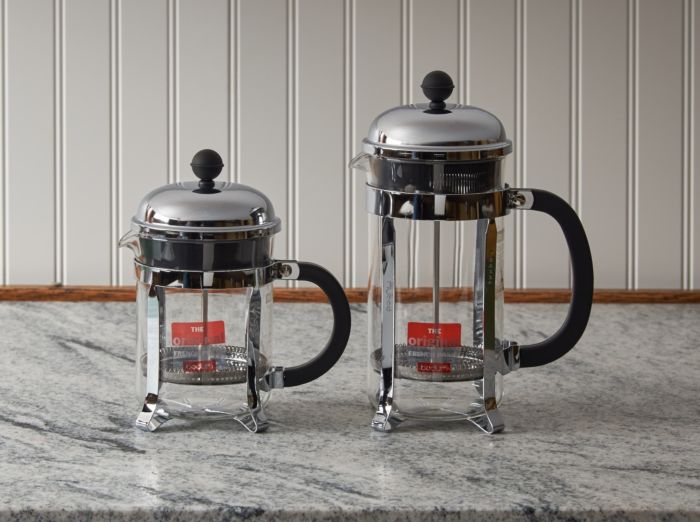
A Brief History: The French Press Legacy
The French press, known by many names like cafetière, coffee press, or coffee plunger, boasts a history as rich and robust as the coffee it produces. While its precise origins are debated, patents for designs similar to the modern French press emerged in France in the mid-19th century. However, it was the Italian Attilio Calimani in 1929, and later Faliero Bondanini in 1958, who perfected the design we recognize today. This ingenious device revolutionized home brewing by offering a straightforward, immersion-based method that extracts maximum flavor, cementing its place in coffee culture worldwide.
Why Embrace the Single Cup French Press?
Choosing a single cup French press is more than just picking a coffee maker; it’s opting for a superior, personalized brewing experience.
Unparalleled Flavor and Aroma
Unlike drip coffee makers that use paper filters, the French press utilizes a mesh filter. This allows the natural oils and fine particles of the coffee to pass through into your cup, resulting in a more full-bodied, rich, and aromatic brew. These oils are packed with flavor compounds that would otherwise be absorbed by paper, giving your coffee a depth and complexity that’s simply unmatched. Every sip becomes an exploration of your favorite bean’s true character.
Simplicity and Control
For such a sophisticated taste, the French press is remarkably easy to use. There’s no complex machinery, no elaborate pouring techniques, just a simple process of immersion. This hands-on approach also gives you complete control over your brew. Want a stronger cup? Extend the steep time slightly. Prefer it milder? Reduce it. You dictate the water temperature, the coffee-to-water ratio, and the steeping duration, allowing for endless customization to hit your personal sweet spot.
Eco-Friendly Choice
In an age where sustainability matters, the single cup French press shines. By eliminating the need for disposable paper filters or single-use pods, you significantly reduce your environmental footprint. A quality French press is a durable tool, designed to last for years, making it a responsible choice for both your daily brew and the planet.
Portable Perfection
No electricity? No problem! Many single cup French presses are compact and sturdy, making them incredibly portable. Whether you’re camping, traveling, or just need a great cup at the office, all you need is hot water and your trusty press. It’s the ultimate go-anywhere coffee solution, ensuring you never have to compromise on taste, even when you’re away from home.
Cost-Effectiveness
Compared to many other brewing setups, a good quality single cup French press is remarkably affordable. Once you’ve made the initial investment, your ongoing costs are simply fresh coffee beans and hot water. This makes it an economical way to enjoy premium coffee every day without breaking the bank.
|
Our Picks for the Best French Press in 2026
As an Amazon Associate I earn from qualifying purchases.
|
||
| Num | Product | Action |
|---|---|---|
| 1 | Bodum 34oz Chambord French Press Coffee Maker, High-Heat Borosilicate Glass, Polished Stainless Steel – Made in Portugal |

|
| 2 | Utopia Kitchen Borosilicate Glass French Press Coffee Maker 34 oz, Heat-Resistant Cafetiere & Tea Maker, Thickened Glass Coffee Press for Travel and Camping, Black |
|
| 3 | Utopia Kitchen 304 Grade Stainless Steel French Press Coffee Maker 34 Oz, Double Wall Insulated Coffee Press with 4-Level Filtration System, Include 2 Extra Filters, Rust-Free, Dishwasher Safe, Silver |
|
| 4 | Utopia Kitchen 304 Grade Stainless Steel French Press Coffee Maker 34 Oz, Double Wall Insulated Coffee Press with 4-Level Filtration system, Include 2 Extra Filters, Rust-Free, Dishwasher Safe, Black |
|
| 5 | Bodum 12oz Chambord French Press Coffee Maker, High-Heat Borosilicate Glass, Polished Stainless Steel – Made in Portugal |
|
| 6 | French Press 34 oz, Full Stainless Steel French Press Coffee Maker 4 Cups, Upgrated Double-Walled Insulated French Coffee Presses, Food Grade Good for Kitchen Camping, Dishwasher Safe 2 More Filters |
|
| 7 | Bodum 34oz Chambord French Press Coffee Maker, High-Heat Borosilicate Glass, Stainless Steel, Copper – Made in Portugal |
|
| 8 | Veken French Press Coffee Maker 34oz,No Plastic Touching Cafe,Thickened Borosilicate Glass Stainless Steel Brewer,Cold Brew Cafetera Teapot for Kitchen Travel Camping,Gifts,Bar Accessories,Dark Pewter |
|
| 9 | Amazon Basics French Coffee Press, 34 oz., Borosilicate Glass, BPA-Free, Removable Dishwasher-Safe Parts |
|
| 10 | Bodum 34oz Chambord French Press Coffee Maker, High-Heat Borosilicate Glass, Stainless Steel, Black – Made in Portugal |
|
Understanding Your Single Cup French Press: Key Components
While seemingly simple, a French press is a cleverly designed piece of equipment. Understanding its components helps in both selection and usage.
- Carafe: This is the main body of the French press, typically made of heat-resistant glass, stainless steel, or ceramic. Glass carafes allow you to watch the magic unfold, while stainless steel versions offer superior heat retention and durability, making them excellent for travel.
- Plunger and Mesh Filter: The heart of the French press. The plunger rod extends down into the carafe, ending in a fine mesh screen (the filter). This filter separates the coffee grounds from your brewed coffee, trapping them at the bottom while allowing the rich liquid to pass through.
- Lid and Handle: The lid helps retain heat during the steeping process, and the handle provides a safe and comfortable grip for pouring.
When choosing a single cup model, consider the material for durability and heat retention, and ensure the filter screen is well-made to minimize sediment. A 12-ounce (approx. 350ml) French press is often ideal for a generous single serving.
Crafting Your Perfect Brew: A Step-by-Step Guide to Single Cup French Press
Achieving French press perfection is an art, but one that’s incredibly easy to master. Here’s how to brew an exquisite single cup every time.
Step 1: Gather Your Essentials
Before you begin, have everything ready: your single cup French press, fresh whole bean coffee, a burr grinder, a kettle, a digital scale (for precision), a timer, and your favorite mug.
Step 2: Precision Grind
This is perhaps the most crucial step for French press. You need a medium-coarse grind – think breadcrumbs or coarse sea salt. If the grind is too fine, your coffee will be over-extracted, leading to a bitter, muddy cup and a difficult press. Too coarse, and your coffee will be weak and under-extracted. A burr grinder ensures consistent particle size, which is key for even extraction. For a single 8-ounce cup, aim for about 2 tablespoons (around 14 grams) of coffee grounds.
Step 3: Heat and Hydrate
Boil fresh, filtered water. Once it reaches a boil, let it sit for 30 seconds to 2 minutes to bring the temperature down to the ideal range of 195-205°F (90-96°C). This prevents scorching the coffee and ensures optimal flavor extraction. While your water heats, preheat your French press by rinsing it with a splash of hot water. This helps maintain the brewing temperature throughout the process.
Step 4: The Bloom (Optional but Recommended)
Add your precisely measured coffee grounds to the preheated French press. Gently pour just enough hot water over the grounds to saturate them completely. Let it sit for 30 seconds. This “blooming” process allows carbon dioxide to escape from the fresh coffee, leading to a more even extraction and a richer flavor. Give it a gentle stir with a non-metal spoon or chopstick to ensure all grounds are wet.
Step 5: The Steep
After the bloom, pour the remaining hot water over the grounds until your French press is filled to your desired level for a single serving. Place the lid on top, with the plunger pulled all the way up. Do not press down yet! Set your timer for 4 minutes. This steeping time is generally considered the sweet spot for a balanced, full-flavored brew.
Step 6: The Press
Once the 4-minute steep is complete, it’s time for the press. With one hand holding the top of the French press firmly, use the other to slowly and steadily press the plunger down. The key here is consistency and gentleness. Don’t push too fast, as this can force fine particles through the filter and create a sludgy cup. If you encounter too much resistance, ease up slightly, then continue. The entire pressing process should take about 20-30 seconds.
Step 7: Serve Immediately
As soon as you’ve pressed the plunger down, pour your freshly brewed coffee into your mug. Leaving the coffee in the French press with the grounds will lead to over-extraction, resulting in an increasingly bitter and unpleasant taste. Enjoy your delicious, perfectly brewed single cup French press coffee right away!
Elevate Your Single Cup Experience: Expert Tips & Tricks
Transforming a good cup into a great one often comes down to a few key details.
Master Your Grind
Don’t underestimate the power of grind size. A slightly coarser grind can reduce bitterness, while a slightly finer one (but still coarse!) can enhance strength. Experiment with your grinder settings to find the perfect texture that suits your taste preferences.
Water Quality Matters
Just like in cooking, the quality of your water significantly impacts the final product. Use filtered water to avoid any off-flavors from chlorine or mineral buildup that can mask the delicate nuances of your coffee.
Optimal Coffee-to-Water Ratio
While 1:15 to 1:18 is a common starting point, your ideal ratio might differ. Some prefer a stronger 1:12, others a lighter 1:20. Don’t be afraid to experiment with grams of coffee per milliliter of water until you discover your personal best.
Temperature Control is Key
If your coffee tastes burnt, your water might be too hot. If it’s weak or sour, it might be too cold. Investing in a kettle with temperature control can be a game-changer for consistent results.
Don’t Over-Steep
Resist the urge to let your coffee sit for too long, even if you like it strong. Over-steeping will lead to a bitter, astringent taste that even the best beans can’t overcome.
Expert Insight
“The beauty of the single cup French press,” says coffee aficionado and renowned barista, Dr. Elara Vance, “lies in its immediacy and intimacy. It’s a personal conversation with your coffee. Pay attention to the subtle dance of water and grounds; that’s where the magic of flavor really unfolds, making each cup uniquely yours.”
Beyond Coffee: Versatile Uses for Your Single Cup French Press
Your single cup French press is not just a one-trick pony. Its simple design makes it incredibly versatile for other delightful beverages.
Delicious Cold Brew
Creating single-serving cold brew is effortless. Add coarse-ground coffee and cold, filtered water to your French press. Stir gently, then cover and refrigerate for 12-24 hours. When ready, slowly press the plunger and pour. The result is a smooth, low-acid coffee concentrate perfect for mixing with milk or water.
Perfect Loose Leaf Tea
Ditch the tea bags and steep your favorite loose leaf teas. Simply add your tea leaves, hot water, and let it steep according to your tea’s recommendations. Press the plunger to separate the leaves, and enjoy a perfectly clean cup of tea.
Frothing Milk
Yes, your French press can even help you achieve frothy milk for lattes and cappuccinos! Heat milk on the stovetop or in the microwave until warm (not boiling). Pour it into your clean French press, then rapidly pump the plunger up and down until your desired foam consistency is reached. It’s a simple trick for a luxurious touch.
Caring for Your French Press: Cleaning and Maintenance
Keeping your French press clean is essential for both hygiene and ensuring every cup tastes fresh.
Daily Cleaning Steps
After each use, immediately discard the spent coffee grounds. A quick rinse with warm water will usually suffice. For more thorough cleaning, disassemble the plunger and mesh filter. Use a soft brush or sponge with mild dish soap to clean all parts, paying special attention to the mesh screen to prevent any coffee oil buildup. Rinse thoroughly and allow to air dry completely to prevent odors.
Deep Cleaning Tips
Periodically, consider a deeper clean. You can soak your French press components in a solution of warm water and white vinegar (about 1 part vinegar to 2 parts water) to remove stubborn coffee stains and mineral deposits. For the plunger’s mesh filter, a small, soft brush (like a toothbrush) can help dislodge any trapped grounds.
Storage
Once clean and dry, reassemble your French press and store it in a safe place where it won’t be easily knocked over. Protecting the glass carafe, if applicable, is especially important.
Single Cup French Press FAQs
Got more questions about your single cup French press? We’ve got answers!
Q1: What’s the best coffee grind for a single cup French press?
A: The ideal grind for a single cup French press is medium-coarse, resembling breadcrumbs or coarse sea salt. This grind size ensures optimal flavor extraction and prevents excessive sediment in your cup.
Q2: How much coffee should I use for one serving?
A: For a standard 8-ounce (approximately 240ml) single serving, a good starting point is about 2 tablespoons (or 14 grams) of coarsely ground coffee. Adjust this ratio to suit your personal strength preference.
Q3: Can I make cold brew in my single cup French press?
A: Absolutely! A single cup French press is perfect for cold brew. Just combine coarse coffee grounds and cold water, steep in the refrigerator for 12-24 hours, then press and enjoy.
Q4: Why does my French press coffee taste bitter?
A: Bitterness often results from over-extraction. This can be due to water that’s too hot, a grind that’s too fine, or steeping the coffee for too long. Try adjusting these variables to find your ideal balance.
Q5: How do I clean my French press thoroughly?
A: For thorough cleaning, disassemble the plunger, wash all parts with warm water and mild dish soap, focusing on the mesh filter. Periodically soak components in a vinegar-water solution to remove mineral buildup and coffee oils.
Your Daily Dose of Delight: Concluding Thoughts on the Single Cup French Press
The single cup French press isn’t just a gadget; it’s an invitation to a more intentional and enjoyable coffee experience. It offers a unique blend of rich flavor, effortless brewing, and sustainable practice, all perfectly scaled for your individual needs. By understanding its simple mechanics and mastering a few key techniques, you unlock a world of personalized coffee perfection. So go ahead, experiment with grind sizes, water temperatures, and steeping times. Discover the nuanced flavors your favorite beans can offer, and make the single cup French press an indispensable part of your daily ritual. Share your journey, savor each sip, and delight in the unparalleled taste of coffee made just for you.