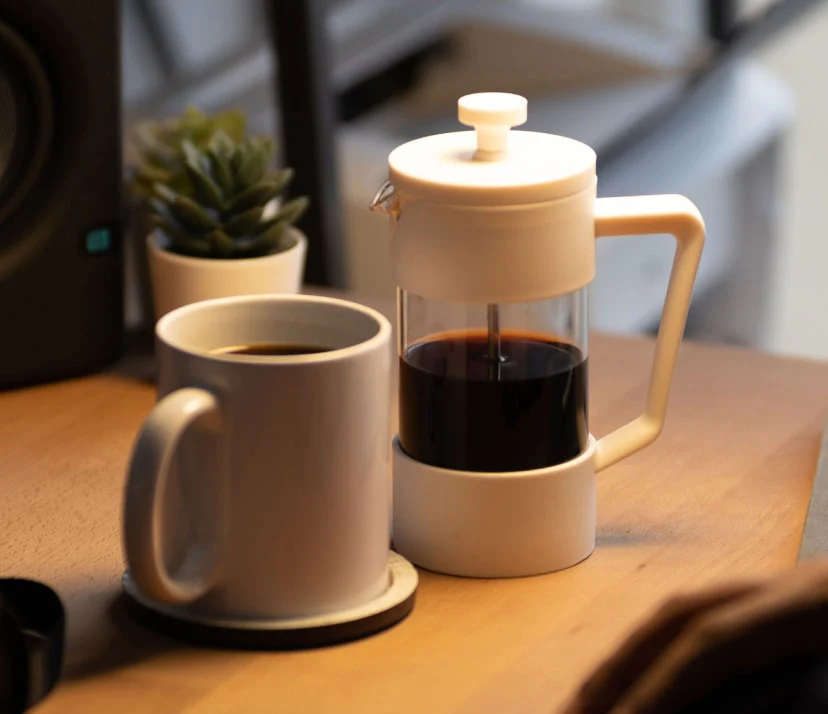
Welcome to the world of French press coffee, where rich, full-bodied flavor and a truly personal brewing experience await. If you’re on a quest to find the best French press coffee maker, you’ve landed in the right spot. This isn’t just about choosing a gadget; it’s about selecting a companion for countless satisfying mornings, a tool that unlocks the deepest notes and most aromatic secrets of your favorite coffee beans. Forget bland, watery coffee – a good French press promises a taste adventure with every sip.
A Brief History of the French Press
The French press, known for its elegant simplicity, boasts a fascinating history. While its exact origins are a bit murky, patents for plunger-style coffee makers emerged in France in the mid-19th century. However, the design we recognize today truly took shape in Italy in the 1920s, with significant refinements by names like Attilio Calimani and Faliero Bondanini. It was later popularized globally by the Danish company Bodum, establishing itself as a timeless method cherished by coffee enthusiasts worldwide for its ability to deliver an unfiltered, immersive coffee experience.
Why Choose a French Press? Unlocking the Flavor
So, why do so many coffee lovers swear by the French press? It boils down to one thing: unparalleled flavor. Unlike drip coffee makers that rely on paper filters, the French press uses a mesh filter that allows the coffee’s natural oils and fine particles to pass through into your cup. This results in:
- Rich, Full-Bodied Flavor: Those precious oils carry much of the coffee’s taste and aroma, leading to a more intense and complex brew.
- Simplicity and Control: With just hot water and ground coffee, you control every variable – water temperature, steep time, and coffee-to-water ratio – allowing for endless experimentation and customization.
- Portability: Many stainless steel French presses are incredibly durable and travel-friendly, making gourmet coffee possible wherever you go.
- A Ceremonial Experience: The manual process of French press brewing can be a calming morning ritual, a moment of mindful preparation before the day begins.
Understanding the Key Components of a French Press
To pick the best French press coffee maker, it helps to know what makes one tick. Each part plays a crucial role in your brewing experience:
- Carafe: This is the main body where coffee brews. You’ll primarily find two materials:
- Glass: Offers a classic aesthetic and allows you to watch the brewing process. Borosilicate glass is common for its durability against thermal shock, but it’s still more fragile and loses heat faster than stainless steel.
- Stainless Steel: Known for its exceptional durability and superior heat retention, especially double-walled models. It’s often insulated, keeping your coffee hot for much longer.
- Plunger and Filter System: The heart of the French press. The plunger presses down the coffee grounds, and the mesh filter separates them from the brewed coffee.
- Single Mesh: The standard, effective at filtering coarse grounds.
- Double Mesh/Basket Filters: Some advanced designs, like those found in the Espro P7, feature multiple layers or a basket-like system to significantly reduce sediment in your cup.
- Lid and Handle: Essential for safe handling and pouring. Look for comfortable, heat-resistant handles and a lid that fits securely to maintain heat.
Factors to Consider When Choosing Your Best French Press
Ready to dive into the details? Here’s what to look for when selecting your ideal French press coffee maker:
- Material: Durability, Heat Retention, Aesthetics
- If durability and prolonged heat retention are your top priorities, a double-walled stainless steel French press is your best bet. These are virtually unbreakable and keep coffee piping hot.
- For those who appreciate the visual aspect of brewing and don’t mind a quicker cool-down, a glass carafe offers a timeless look. Just be prepared for its greater fragility.
- Some ceramic options exist for a unique aesthetic, offering decent heat retention but often at a higher price and with similar fragility to glass.
- Capacity: Single Serve vs. Family Size
- French presses come in various sizes, typically ranging from 12 ounces (perfect for a single mug) to 50 ounces or more (great for entertaining). Consider how much coffee you typically drink or serve.
- Filter Quality: Minimizing Sediment
- A common complaint with French press coffee is sediment. While a coarse grind helps, the filter design makes a big difference. Look for presses with tightly woven mesh or innovative double-filter systems, which excel at trapping fine grounds.
- Heat Retention: The Double-Wall Advantage
- Double-wall insulated stainless steel French presses are champions at keeping coffee hot. This is crucial if you like to savor your coffee over time or if you’re making a larger batch for multiple servings. Glass models, while charming, usually require immediate decanting to keep coffee warm.
- Ease of Cleaning: Keeping it Pristine
- A French press with easily detachable parts and a filter screen that can be thoroughly cleaned will save you time and hassle. Many stainless steel models are dishwasher-safe, adding to their convenience.
- Price & Value: Balancing Cost with Features
- Prices vary widely. While premium models like the Frieling and Espro P7 offer top-tier performance and build quality, excellent value can be found in more affordable options like certain Bodum or Secura models, which still deliver a fantastic cup of coffee.
Top Picks: The Best French Press Coffee Makers Reviewed
Here’s a look at some of the highly-regarded French press coffee makers on the market, catering to different needs and preferences:
- Best Overall: Frieling Double Wall French Press
This stainless steel behemoth is a favorite for its exceptional durability and heat retention. Its double-wall insulation keeps coffee hot for an impressive amount of time, and its single-layer filter is surprisingly effective at keeping sediment out. It’s a workhorse built to last, making it a worthy investment for serious coffee drinkers. - Best for Minimal Sediment: Espro P7 French Press
If a clean cup is your priority, the Espro P7 is a game-changer. It features a patented double micro-filter system that virtually eliminates sediment, creating a remarkably clean, yet full-flavored brew. Made from durable stainless steel, it also boasts excellent heat retention. Some might find the ultra-fine filter removes a bit of the traditional French press body, but for a sediment-free experience, it’s unmatched. - Best Classic Glass Design: Bodum Chambord French Press Coffee Maker
The Bodum Chambord is the iconic French press, with its timeless glass carafe and elegant chrome frame. It produces a strong, well-balanced, and richly flavored cup of coffee. While its glass carafe means less heat retention than stainless steel, its aesthetic appeal and consistent brew quality make it a beloved choice for those who appreciate tradition and transparency in their brewing. - Best Value: Bodum Brazil French Press
For an entry-level price, the Bodum Brazil delivers a brewing experience comparable to its more expensive sibling, the Chambord. It uses the same borosilicate glass carafe and effective filter system, with cost savings coming from its BPA-free plastic frame. It’s an excellent choice for beginners or those seeking a budget-friendly option without compromising on flavor. - Best Durable Stainless Steel: Hydro Flask 32-Ounce French Press
Known for their insulation prowess, Hydro Flask brings that same expertise to their French press. This double-walled stainless steel model keeps coffee hot for hours and is incredibly robust, making it perfect for camping, travel, or simply clumsy mornings. It’s a reliable all-rounder that combines durability, heat retention, and a great brew.
How to Brew the Perfect Cup with Your French Press
Mastering the French press is simple, but a few key steps make all the difference:
- Grind Coarse: Use freshly ground coffee with a coarse, consistent grind. Think breadcrumbs, not sand. A fine grind will lead to over-extraction and excessive sediment.
- Heat Water to Perfection: Aim for water between 195-205°F (90-96°C). Water that’s too hot can scald the coffee, while water that’s too cool won’t extract enough flavor.
- The Golden Ratio: A good starting point is a 1:15 coffee-to-water ratio. For a 34-ounce (1-liter) press, this is about 60-70 grams (around 8-10 tablespoons) of coffee.
- Add Coffee and Bloom: Add your coarse grounds to the preheated carafe. Pour about twice the weight of your coffee in hot water over the grounds, just enough to saturate them. Let it sit for 30 seconds – this is the “bloom,” allowing gases to escape and setting the stage for even extraction.
- Pour and Steep: Gently pour the remaining hot water, ensuring all grounds are submerged. Give it a gentle stir. Place the lid on top, but don’t press the plunger yet. Let it steep for 4 minutes.
- Press Slowly and Steadily: After 4 minutes, slowly and steadily push the plunger down. This should take about 20-30 seconds. Avoid pressing too fast, which can force fine particles through the filter and create a sludgy cup.
- Decant Immediately: Once plunged, pour all the coffee into mugs or a thermal carafe. Leaving coffee in the French press with the grounds will lead to continued extraction and a bitter, over-extracted taste.
Tips and Tricks for an Enhanced French Press Experience
Want to elevate your French press game even further?
- Preheat Your Press: Rinse your French press with hot water before adding coffee grounds. This prevents the hot water from losing heat prematurely when it hits a cold carafe.
- Experiment with Grind Size and Steep Time: These are your most powerful variables. A slightly coarser grind might need a longer steep, while a slightly finer one might need less time.
- Use Fresh, Quality Beans: This is the foundation of any great cup. Freshly roasted and ground beans make an enormous difference.
- Consider a Burr Grinder: A consistent grind is crucial for even extraction. A burr grinder provides a much more uniform grind than a blade grinder.
- Try a Stir at the Beginning and End: A gentle stir after pouring the initial water ensures all grounds are saturated. Another quick stir just before pressing can help settle some of the finer particles.
Maintaining Your French Press: Cleaning and Care
Proper cleaning extends the life of your French press and ensures consistently delicious coffee.
- Empty Grounds: Once you’ve enjoyed your coffee, discard the grounds. A spatula can help scrape them out, or you can add a little water, swirl, and pour. Avoid pouring large amounts of grounds down your sink drain, as they can cause clogs.
- Disassemble the Plunger: Unscrew the filter screen and coiled plate from the plunger rod. This allows for thorough cleaning.
- Wash Thoroughly: Wash all parts with warm, soapy water. Use a brush to clean the mesh filter thoroughly, removing any trapped coffee oils or fine particles. Many stainless steel models are dishwasher safe, but always check manufacturer instructions.
- Deep Clean Periodically: For stubborn coffee oils and odors, soak the filter and carafe in a mixture of warm water and a little baking soda or vinegar. This helps remove residue that can impact flavor.
Beyond Coffee: Creative Uses for Your French Press
Your French press isn’t just a one-trick pony. It’s a versatile tool that can expand your beverage horizons:
- Cold Brew Coffee: Make a smooth, low-acid cold brew concentrate by steeping coarse grounds in cold water for 12-24 hours.
- Loose Leaf Tea Infuser: Perfect for brewing loose leaf tea, allowing the leaves to fully expand and infuse.
- Frothing Milk: Pump warm milk vigorously with the plunger for a quick, homemade frothed milk for lattes and cappuccinos.
- Infused Oils or Waters: Use it to infuse herbs into olive oil or fruits into water.
Frequently Asked Questions (FAQ)
Q: How much coffee should I use for a French press?
A: A good starting point is a 1:15 coffee-to-water ratio. For instance, for a 34-ounce (1-liter) French press, use about 60-70 grams of coarse coffee grounds. Adjust to your taste preferences.
Q: What grind size is best for French press?
A: A coarse, even grind, similar to breadcrumbs, is ideal. This prevents over-extraction and minimizes sediment, ensuring a cleaner, more balanced cup.
Q: Can I leave coffee in a French press after brewing?
A: No, it’s best to decant your coffee immediately after pressing. Leaving it in contact with the grounds will lead to continued extraction, resulting in an increasingly bitter and over-extracted flavor.
Q: How often should I clean my French press?
A: You should rinse your French press thoroughly after every use. A deeper clean, including disassembling the plunger and scrubbing the filter, should be done regularly, ideally after every few uses, to prevent oil buildup and maintain flavor.
Q: Is a French press better than drip coffee?
A: “Better” is subjective, but a French press typically yields a richer, fuller-bodied coffee with more natural oils and sediment, offering a more intense flavor profile. Drip coffee is often cleaner due to paper filtration but can sometimes lack the depth of a French press brew. It largely depends on your preference for mouthfeel and flavor intensity.
Conclusion
Choosing the best French press coffee maker is a step towards a more intentional and flavorful coffee journey. Whether you prioritize the robust durability and heat retention of stainless steel or the classic aesthetic of glass, there’s a perfect French press out there waiting for you. Remember, the magic of this brewing method lies in its simplicity and the control it offers, inviting you to experiment and discover your ideal cup. So go ahead, find your perfect press, and immerse yourself in the rich, authentic taste of truly exceptional coffee. The world of French press insights is vast and rewarding – start exploring today!
|
Our Picks for the Best French Press in 2026
As an Amazon Associate I earn from qualifying purchases.
|
||
| Num | Product | Action |
|---|---|---|
| 1 | Utopia Kitchen 304 Grade Stainless Steel French Press Coffee Maker 34 Oz, Double Wall Insulated Coffee Press with 4-Level Filtration System, Include 2 Extra Filters, Rust-Free, Dishwasher Safe, Silver |

|
| 2 | Amazon Basics French Coffee Press, 34 oz., Borosilicate Glass, BPA-Free, Removable Dishwasher-Safe Parts |
|
| 3 | Bodum 12oz Chambord French Press Coffee Maker, High-Heat Borosilicate Glass, Polished Stainless Steel – Made in Portugal |
|
| 4 | Bodum 34oz Chambord French Press Coffee Maker, High-Heat Borosilicate Glass, Polished Stainless Steel – Made in Portugal |
|
| 5 | Utopia Kitchen Borosilicate Glass French Press Coffee Maker 34 oz, Heat-Resistant Cafetiere & Tea Maker, Thickened Glass Coffee Press for Travel and Camping, Black |
|
| 6 | Bodum 34oz Chambord French Press Coffee Maker, High-Heat Borosilicate Glass, Stainless Steel, Black – Made in Portugal |
|
| 7 | Utopia Kitchen 304 Grade Stainless Steel French Press Coffee Maker 34 Oz, Double Wall Insulated Coffee Press with 4-Level Filtration system, Include 2 Extra Filters, Rust-Free, Dishwasher Safe, Black |
|
| 8 | French Press 34 oz, Full Stainless Steel French Press Coffee Maker 4 Cups, Upgrated Double-Walled Insulated French Coffee Presses, Food Grade Good for Kitchen Camping, Dishwasher Safe 2 More Filters |
|
| 9 | Veken French Press Coffee Maker 34oz,No Plastic Touching Cafe,Thickened Borosilicate Glass Stainless Steel Brewer,Cold Brew Cafetera Teapot for Kitchen Travel Camping,Gifts,Bar Accessories,Dark Pewter |
|
| 10 | Bodum 34oz Chambord French Press Coffee Maker, High-Heat Borosilicate Glass, Stainless Steel, Copper – Made in Portugal |
|