For many coffee lovers, the French press is more than just a brewing device; it’s a ritual, a connection to the rich, full-bodied essence of coffee itself. But when your passion for quality coffee extends beyond a single morning cup – perhaps you’re hosting brunch, fueling a busy household, or simply enjoy multiple servings throughout the day – a standard-sized press just won’t cut it. That’s where the large French press steps in, transforming your daily brew into a communal experience without sacrificing an ounce of flavor.
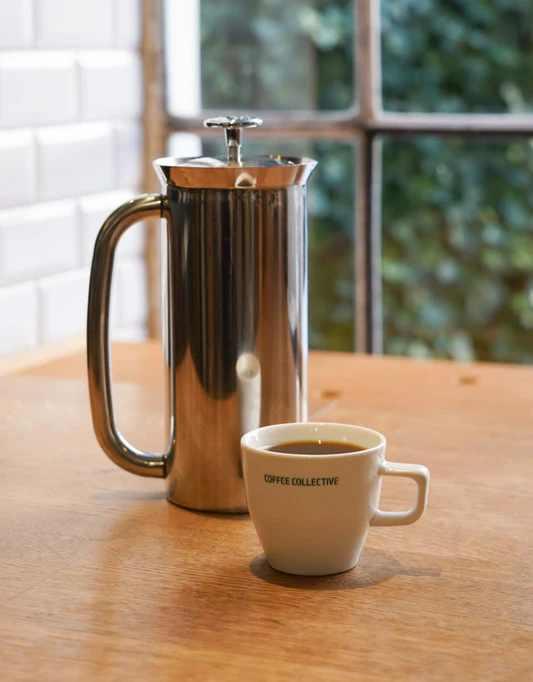
What Exactly Constitutes a “Large” French Press?
Before we dive into the grand world of larger presses, let’s clear up a common misconception: what exactly does “cup” mean in French press sizing? Unlike your standard 8-ounce coffee mug at home, most French press manufacturers define a “cup” as a smaller 4-ounce serving. This means an “8-cup” French press typically holds around 34 fluid ounces, yielding about 4 standard mugs of coffee, while a “12-cup” model at 51 ounces can brew up to 6-8 mugs. So, when we talk about a large French press, we’re generally referring to models with a capacity of 34 ounces (1 liter) or more, extending up to 50 ounces (1.5 liters) or even larger. These generous capacities are designed to cater to multiple drinkers or ensure you have enough rich brew to last.
Why Go Big? The Benefits of a Large French Press
Opting for a larger French press isn’t just about sheer volume; it comes with a host of advantages that enhance your coffee experience:
- Effortless Entertaining: Imagine serving multiple guests rich, flavorful coffee from a single brew. A large French press makes entertaining a breeze, ensuring everyone gets a freshly brewed cup without constant re-brewing.
- Fueling the Household: For families or housemates who all enjoy their coffee, a large press means fewer brewing cycles and more time to enjoy breakfast together.
- Convenience for Avid Drinkers: If you’re someone who savors several cups of coffee throughout the morning, a large French press allows you to brew once and enjoy multiple servings, potentially saving time and effort.
- Enhanced Brewing Control: Surprisingly, a larger capacity can sometimes offer more control over your brew. With more water, it’s often easier to maintain a consistent water-to-coffee ratio and manage extraction, leading to a balanced and delicious result.
|
Our Picks for the Best French Press in 2026
As an Amazon Associate I earn from qualifying purchases.
|
||
| Num | Product | Action |
|---|---|---|
| 1 | Utopia Kitchen 304 Grade Stainless Steel French Press Coffee Maker 34 Oz, Double Wall Insulated Coffee Press with 4-Level Filtration System, Include 2 Extra Filters, Rust-Free, Dishwasher Safe, Silver |

|
| 2 | Bodum 12oz Chambord French Press Coffee Maker, High-Heat Borosilicate Glass, Polished Stainless Steel – Made in Portugal |
|
| 3 | Amazon Basics French Coffee Press, 34 oz., Borosilicate Glass, BPA-Free, Removable Dishwasher-Safe Parts |
|
| 4 | Veken French Press Coffee Maker 34oz,No Plastic Touching Cafe,Thickened Borosilicate Glass Stainless Steel Brewer,Cold Brew Cafetera Teapot for Kitchen Travel Camping,Gifts,Bar Accessories,Dark Pewter |
|
| 5 | Bodum 34oz Chambord French Press Coffee Maker, High-Heat Borosilicate Glass, Polished Stainless Steel – Made in Portugal |
|
| 6 | Bodum 34oz Chambord French Press Coffee Maker, High-Heat Borosilicate Glass, Stainless Steel, Black – Made in Portugal |
|
| 7 | French Press 34 oz, Full Stainless Steel French Press Coffee Maker 4 Cups, Upgrated Double-Walled Insulated French Coffee Presses, Food Grade Good for Kitchen Camping, Dishwasher Safe 2 More Filters |
|
| 8 | Utopia Kitchen 304 Grade Stainless Steel French Press Coffee Maker 34 Oz, Double Wall Insulated Coffee Press with 4-Level Filtration system, Include 2 Extra Filters, Rust-Free, Dishwasher Safe, Black |
|
| 9 | Bodum 34oz Chambord French Press Coffee Maker, High-Heat Borosilicate Glass, Stainless Steel, Copper – Made in Portugal |
|
| 10 | Utopia Kitchen Borosilicate Glass French Press Coffee Maker 34 oz, Heat-Resistant Cafetiere & Tea Maker, Thickened Glass Coffee Press for Travel and Camping, Black |
|
Anatomy of a Large French Press: Key Components and How to Choose
Selecting the right large French press involves considering a few critical components that impact both performance and durability.
Material Matters: Glass vs. Stainless Steel
The material of your French press carafe is perhaps the most significant choice you’ll make:
- Glass French Presses: Typically made from heat-resistant borosilicate glass, these presses offer a classic aesthetic and allow you to visually appreciate the “bloom” of your coffee. They don’t impart any flavor, ensuring a pure taste. However, glass is more fragile and doesn’t retain heat as effectively, meaning your large batch might cool down quicker.
- Stainless Steel French Presses: Known for their robustness and modern look, stainless steel presses are incredibly durable and won’t shatter if accidentally dropped. Their biggest advantage, especially for large capacities, is superior heat retention. Double-walled stainless steel models can keep your coffee hot for significantly longer, which is a major plus when brewing a big batch. The tradeoff? They tend to be heavier and often come with a higher price tag.
Filtration Systems: Beyond the Basic Mesh
While a single mesh filter is standard, some larger French presses offer advanced filtration, often with double or even triple layers. These multi-layered systems are designed to minimize sediment in your cup, resulting in a cleaner, smoother brew, which can be particularly noticeable with larger volumes of coffee.
Handle and Spout Design: Pouring with Confidence
With a large French press, you’ll be handling more weight, so a comfortable, ergonomic handle is essential for safe and steady pouring. Look for a robust handle that feels secure in your grip. A well-designed spout will also ensure a clean pour, preventing drips and spills, which is crucial when dealing with a full, heavy carafe.
|
Our Picks for the Best French Press in 2026
As an Amazon Associate I earn from qualifying purchases.
|
||
| Num | Product | Action |
|---|---|---|
| 1 | Bodum 34oz Chambord French Press Coffee Maker, High-Heat Borosilicate Glass, Polished Stainless Steel – Made in Portugal |
|
| 2 | Bodum 12oz Chambord French Press Coffee Maker, High-Heat Borosilicate Glass, Polished Stainless Steel – Made in Portugal |
|
| 3 | Bodum 34oz Chambord French Press Coffee Maker, High-Heat Borosilicate Glass, Stainless Steel, Copper – Made in Portugal |
|
| 4 | Utopia Kitchen Borosilicate Glass French Press Coffee Maker 34 oz, Heat-Resistant Cafetiere & Tea Maker, Thickened Glass Coffee Press for Travel and Camping, Black |
|
| 5 | French Press 34 oz, Full Stainless Steel French Press Coffee Maker 4 Cups, Upgrated Double-Walled Insulated French Coffee Presses, Food Grade Good for Kitchen Camping, Dishwasher Safe 2 More Filters |
|
| 6 | Amazon Basics French Coffee Press, 34 oz., Borosilicate Glass, BPA-Free, Removable Dishwasher-Safe Parts |
|
| 7 | Utopia Kitchen 304 Grade Stainless Steel French Press Coffee Maker 34 Oz, Double Wall Insulated Coffee Press with 4-Level Filtration system, Include 2 Extra Filters, Rust-Free, Dishwasher Safe, Black |
|
| 8 | Bodum 34oz Chambord French Press Coffee Maker, High-Heat Borosilicate Glass, Stainless Steel, Black – Made in Portugal |
|
| 9 | Utopia Kitchen 304 Grade Stainless Steel French Press Coffee Maker 34 Oz, Double Wall Insulated Coffee Press with 4-Level Filtration System, Include 2 Extra Filters, Rust-Free, Dishwasher Safe, Silver |
|
| 10 | Veken French Press Coffee Maker 34oz,No Plastic Touching Cafe,Thickened Borosilicate Glass Stainless Steel Brewer,Cold Brew Cafetera Teapot for Kitchen Travel Camping,Gifts,Bar Accessories,Dark Pewter |
|
Mastering the Brew: Step-by-Step Guide to Your Perfect Large French Press Coffee
Brewing with a large French press follows the same fundamental principles as a smaller one, but with a few considerations to ensure an exceptional experience for every cup.
The Golden Ratio for Big Batches (Coffee-to-Water)
For a balanced brew, a common starting point is a 1:15 ratio of coffee to water (by weight). If you don’t have a scale, a good rule of thumb for French presses is about 1 rounded tablespoon (7-8 grams) of coarsely ground coffee for every 6.7 fluid ounces (200 ml) of water. For a 34-ounce (1-liter) press, this means roughly 4-5 tablespoons, and for a 51-ounce (1.5-liter) press, about 6-8 tablespoons. Adjust to your taste preferences.
Grinding for Greatness: Coarse is Key
A coarse, consistent grind (like sea salt) is paramount for French press. Too fine, and you risk over-extraction, bitterness, and excessive sediment. This is even more important with a large press, as the longer steeping time can exacerbate these issues.
Water Temperature: The Heart of the Brew
Aim for water between 195°F and 205°F (90°C to 96°C). The easiest way to achieve this is to bring your water to a full boil and then let it rest for 30 seconds to 2 minutes before pouring.
Pre-heating Your Press
Always pre-heat your empty large French press by rinsing it with hot water. This helps maintain the optimal brewing temperature, ensuring consistent extraction and a hotter final product.
The Bloom: Awakening the Flavors
- Add your coarse grounds to the pre-heated French press.
- Pour about half of your hot water evenly over the grounds, making sure they are fully saturated. This initial pour, called the “bloom,” allows trapped gases to escape, enhancing flavor.
- Let it bloom for about 30 seconds, then gently stir for 5 seconds to break up the coffee crust and ensure all grounds are wet.
Steeping Time: Patience is a Virtue
Pour the remaining hot water, place the lid on (plunger fully up), and let your coffee steep. A typical steeping time is 4 minutes, but you can adjust this: 3 minutes for a lighter brew, or 5-6 minutes for a stronger, more intense cup. Experiment to find your personal sweet spot.
The Gentle Plunge: Avoiding Sediment
Once steeping is complete, slowly and steadily press the plunger down. Use consistent, gentle pressure to separate the grounds from the brewed coffee. Avoid forcing it down too quickly, as this can stir up fine sediments and make your coffee cloudy.
Decant Immediately: Preserve the Taste
This is a crucial step, especially for large French presses. Once pressed, pour all the coffee into mugs or an insulated carafe immediately. Leaving coffee in the press with the grounds can lead to over-extraction, resulting in a bitter, astringent taste.
Pro Tips and Tricks for Elevating Your Large French Press Experience
- Experiment with Your Grind and Time: Even slight adjustments to grind size and steep duration can dramatically alter your coffee’s flavor. Keep a small log of your experiments to replicate your perfect brew.
- Invest in an Insulated Carafe: If you brew a large batch and don’t drink it all at once, transfer the extra coffee to an insulated carafe. This keeps it warm without the risk of over-extraction in the press.
- Cold Brew Capability: Your large French press is also a fantastic tool for making cold brew! Simply combine coarse grounds and cold filtered water, steep in the fridge for 12-24 hours, then plunge. The large capacity is perfect for making a week’s worth of concentrate.
- Beyond Coffee: Tea and Infusions: Don’t limit your large French press to just coffee. It’s excellent for brewing loose-leaf tea, especially herbal infusions, or even making infused waters.
Keeping It Clean: Maintenance for Your Large French Press
Proper cleaning is vital for maintaining the performance and longevity of your French press, and for ensuring your coffee always tastes fresh. After each use, discard the grounds (they make great compost!), rinse the carafe, plunger, and filter thoroughly. Disassemble the plunger and mesh filter regularly to remove any trapped coffee oils and fine grounds, which can otherwise lead to stale flavors and blockages. Many components are dishwasher safe, but always check manufacturer instructions.
Frequently Asked Questions About Large French Presses
Q: How many standard mugs of coffee does a 12-cup French press actually make?
A: While a 12-cup French press is rated for 12 (4-ounce) servings, it typically yields about 6 to 8 standard 8-ounce mugs of coffee. This makes it ideal for larger gatherings or for enjoying multiple servings throughout the day.
Q: Is the brewing process different for a large French press compared to a small one?
A: The fundamental steps are the same, but there are nuances. Large presses tend to retain heat longer, so you might need to adjust steep times slightly. Also, ensuring all grounds are evenly saturated during the bloom and stir is more critical due to the increased volume.
Q: What’s the best material for a large French press – glass or stainless steel?
A: For a large French press, stainless steel, especially double-walled, is often recommended due to its superior durability and heat retention, which keeps larger batches of coffee hot for longer. Glass offers a classic aesthetic but is more fragile and less insulating.
Q: Can I make cold brew in a large French press?
A: Absolutely! A large French press is excellent for cold brew. Its generous capacity allows you to prepare a significant batch of concentrate, which you can then dilute with water or milk and enjoy over several days.
Q: How do I avoid sediment in a large French press brew?
A: To minimize sediment, ensure you use a very coarse and consistent grind, pour water gently, and plunge slowly and steadily. Some presses also feature double or triple filtration systems designed to reduce sediment further. Decanting immediately after pressing also helps.
Conclusion
The large French press is a game-changer for anyone who loves the rich, full-bodied taste of French press coffee and wants to share that experience, or simply enjoys more than a single cup. By understanding the nuances of capacity, material, and brewing technique, you can unlock the full potential of this magnificent device. So go ahead, embrace the generous capacity, experiment with your ratios, and savor the exceptional coffee that a large French press brings to your table. Your journey into brewing big batches of perfect coffee starts now.